Some conversations vanish as soon as a person leaves a room, while others remain in memory. One such conversation began in a hair salon when the author spoke with a stranger about choosing hair color and shampoo. Among the familiar sounds of a hairdryer and scissors, they moved on to discussing pottery.
Popular
A Conversation About Heritage
As the conversation developed, the stranger's tone changed, and she began talking about her grandmother, who taught her pottery. The author, with 23 years of experience working with clay, became interested in this story. The woman also mentioned that her grandmother did embroidery (quilting) and macrame. The author realized that it was not just about crafts, but about her grandmother and perhaps about a world fading into the past.
Those evenings, spent without haste, were not interrupted by phone calls or the pressure of deadlines requiring any skill to be turned into extra income. Her grandmother created things because the process of creation itself brought her satisfaction. That was enough.
The Value of Engagement
Listening to her stories, the author understood how much humanity has lost in the modern pace of life. We live in a state of constant rush, and even leisure has become regulated. We measure days by productivity, mistakenly equating hustle with purpose. At some point, we stopped creating things simply for pleasure. However, hobbies have always offered more than mere entertainment; they give structure to our days and meaning to our hours.
It is important to maintain meaningful engagement at any stage of life, as an idle mind easily becomes a dwelling place for anxiety and regret. Hobbies direct this mental energy toward something constructive, prompting us to learn, practice, solve problems, and, most importantly, remain curious. Regardless of age—18 or 80—there is a quiet dignity in continuing creativity, repair, gardening, painting, sewing, carving, or making.
Hobbies as the Foundation of Identity
Meaningful activity is not just a way to pass the time; it is a method of preserving one's self-awareness. Professions eventually end, children grow up and leave, circumstances change. Retirement, loss of loved ones, illness, or loneliness can strip people of their foundation if their lives were defined solely by work or obligations. Hobbies provide continuity, reminding us that we are more than our jobs, duties, or achievements. We are people capable of learning and creating for ourselves.
This becomes even more significant with age. Maintaining mental and creative activity helps strengthen confidence and independence, encourages lifelong learning, and keeps the mind active. Every finished quilt, solved puzzle, blooming garden, or carefully shaped vase serves as a small confirmation that we continue to develop, contribute, and are capable of creating beauty.
The Lessons of Craftsmanship
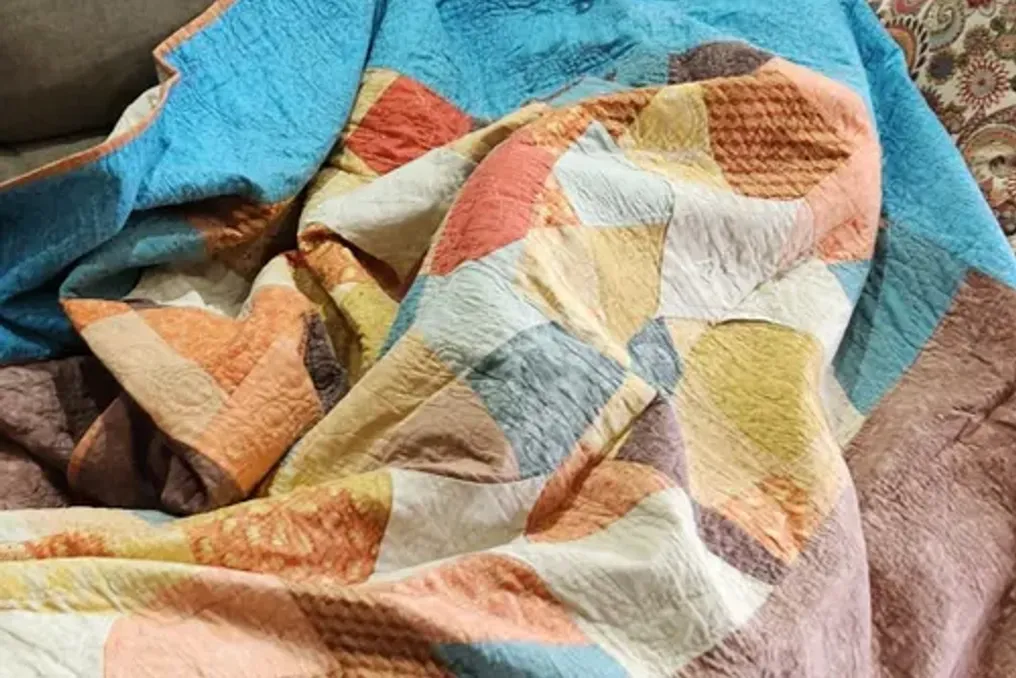
Hobbies help us find stability. A lump of clay requires patience, and a quilt starts with tiny pieces of fabric that seem insignificant on their own. But when put together, they become something warm, useful, and lasting. There is a lesson in this: life is also assembled from fragments—joy, losses, failures, hope. Together, they make us whole. Macrame teaches something similar: one knot means little, but hundreds of knots create beauty. Progress is achieved in small steps.
Perhaps this is why hobbies calm the mind. They slow us down, forcing us to focus on the present moment instead of worrying about the future. Scientists claim that creative pursuits reduce stress, improve concentration, and support emotional well-being. Previous generations did not need studies to prove this; they simply lived it.
Connection and Knowledge Transfer
They knitted during conversations, gardened after work, baked bread, carved wood, made quilts. Their hands were busy, but their minds were at peace. Winter months, for example, led to the use of the 'godru,' a common household item that is unfortunately becoming a dying art. They enjoyed simple activities that brought a sense of calm to their lives.
Hobbies also bring people together. A quilting group is much more than just fabric; a pottery class is more than just clay. People gather to exchange ideas, stories, and laughter. Friendship naturally strengthens when people create side-by-side. In a world where loneliness is becoming increasingly common, this matters.
The woman smiled, recalling the potter's wheels and her grandmother's creations. When asked if she still had her grandmother's items, she sighed and answered no. Nevertheless, she would probably keep that childhood memory forever.
Seeds for the Next Generation
Children absorb these lessons when the older generation finds time to teach them. They discover that creating something with their own hands brings a sense of pride that a purchased item cannot provide. This also raises an uncomfortable question: what seeds are we sowing for the next generation in a world increasingly consumed by screens? If children inherit only our devices and our hurried lives, they may never experience the satisfaction of creating something tangible with their own hands. But when we teach them to plant narcissus, make jewelry, bake a rainbow cake, knit a scarf, or sew a quilt, we pass on more than just a skill. We cultivate patience and confidence that comes from creation, not just consumption.
These seeds continue to bear fruit long after we are gone. The author thanks his elementary school teacher, Mrs. Ramatulu, for sowing the seeds of baking and sewing. He believes she would be pleased to know that he continued with quilting. His father gave him art and writing, and his mother taught him meaningful engagement. Bourdieu called this cultural capital.
The hobbies we share today become tomorrow's memories. One day, a child or grandchild will remember not the last app viewing or video, but those afternoon hours spent with a grandmother or parent, learning to shape clay, thread a needle, or bring life from a handful of seeds. By teaching hobbies, we are not just killing time; we are preserving a lifestyle that values creativity over constant consumption.
Creating something with your own hands brings a sense of pride that adults often forget. Work expands, responsibilities multiply, the sewing machine is put away, paintbrushes dry, the guitar gathers dust. We promise ourselves we will return to hobbies when life is less stressful, often saying, 'when I retire...'. But time and tide wait for no one. Life rarely waits.
Leaving the hair salon, the author realized that their conversation was never truly about pottery, quilts, or macrame. It was about slowing down, about finding joy without the need for an audience, and about how creating something beautiful restores the creator. Perhaps well-being is not always found in expensive retreats or health apps. Sometimes it begins with a needle and thread, a lump of clay, or a memory of a grandmother who understood that life is enriched not only by what we achieve, but by what we create with our own hands. Perhaps it is time to sew a godru.