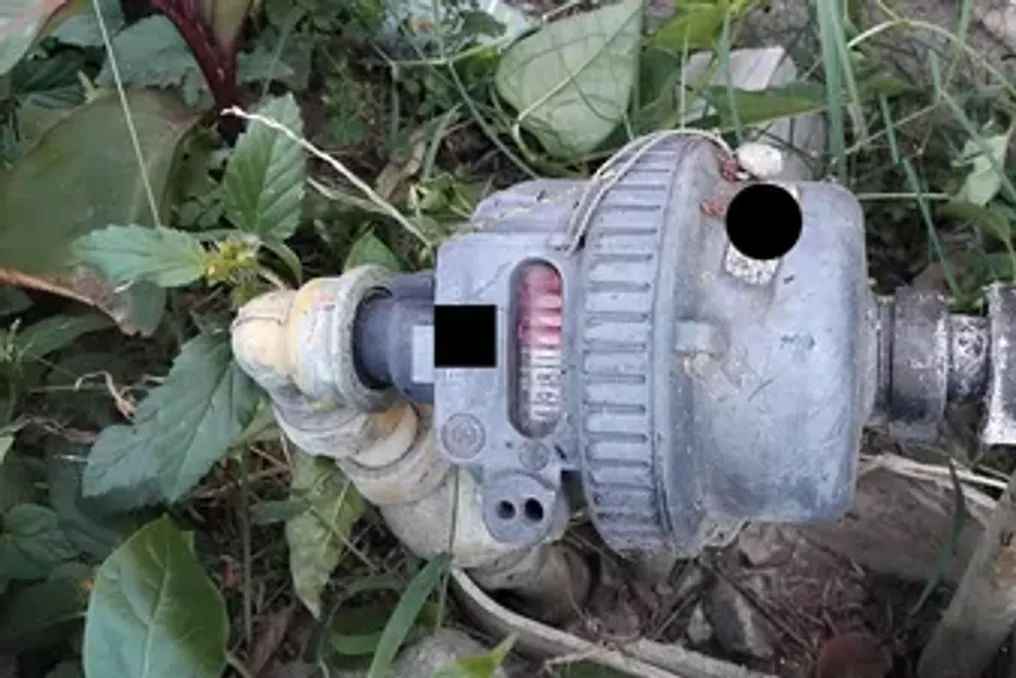
A critical water crisis has emerged in the eThekwini municipality as the number of incomplete repairs continues to rise daily, with open water supply defects exceeding 12,000 by mid-June.
Funding and Current Situation
eThekwini councillors plan to use a district-based municipal budget program to address water pipe leaks. Each of the 111 municipal districts is allocated an annual budget of 2 million rand for basic district projects. Andre Betge, an eThekwini Executive Committee (EXCO) member, reported that by the second week of June, the number of open faults reached over 12,000, and the internal municipal structure cannot even handle major bursts.
Maintenance Issues
Only 199 major bursts were recorded on Wednesday, June 10, while reports indicated only two plumbers were present in the central Durban region. The situation is exacerbated by the march of the eThekwini Plumbers Panel, who headed to the Durban City Hall on Monday to submit a memorandum to officials demanding clarification on two tenders announced in December 2025.
Conflict and Tenders
The plumbers expressed outrage that they were informed about the awarding of five new general contractors, while the water resource department required them to work only through the council's existing plumber registry. This led to job losses for many specialists. Betge noted that the municipality is starting a new fiscal year with a deficit equivalent to approximately 60% of next year's budget.
He explained that on December 12, 2025, the municipality launched a comprehensive tender, inviting its army of contract plumbers and any other interested parties to submit documentation to legalize long-standing irregular appointments and establish appropriate contractual terms. Applications were closed just seven days later, on December 19, allowing the municipality to report to the council and satisfy the requirements of the Auditor-General related to grant funding.
Tender Results and Delays
According to Betge, out of the 509 applications received, only three participants met the necessary criteria for Groups 1, 2, and 6, providing a repair capacity of only 23.5 million rand. Implementation was further slowed by legal proceedings from unsuccessful applicants, whose appeals were ultimately dismissed with costs awarded. Successful participants were only appointed on May 25, 2026.
It is reported that the successful contractors lacked sufficient resources for plumbing work to cope with the existing backlog, increasing dependence on municipal staff. Betge mentioned that discussions about increasing contract sums were underway before significant work began, and these plumbers were supposed to be hired on Friday, but there were no reports of this.
Operational Problems and Quality
Betge was also aware of two entries into municipal depots that were allegedly blocked by contractors, hindering municipal plumbers from addressing leaks. Officials cite incorrect invoicing and contractors' unwillingness to comply with the recently introduced electronic submission and verification system, while contractors claim the system is cumbersome, poorly communicated, and never properly trained. Prospective contractors were required to provide valid professional qualifications and then undergo municipal theoretical and practical certification to obtain permission to work on municipal infrastructure.
Furthermore, there are ongoing concerns regarding the quality of materials purchased and stored by the municipality. It is suspected that the use of low-quality products, insufficient stock of spare parts, and unstable supply chains contributed to premature failures and compromised repairs. The eThekwini municipality received a memorandum, but it did not respond to media inquiries at the time of publication.