During a recent visit to the University of South Africa (Unisa), Deputy Minister of Higher Education Yusuf Kassim emphasized the urgent need for renewed collaboration between funding bodies and higher education institutions to alleviate growing financial pressure in the sector.
Reason for the Visit and Dialogue
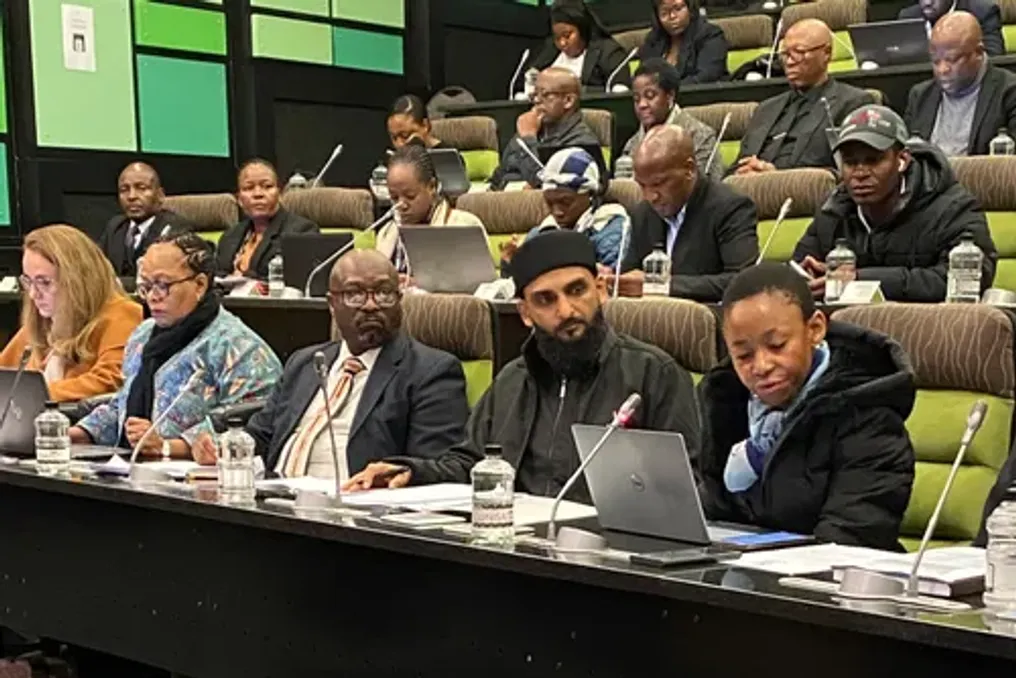
This oversight visit was initiated due to student concerns regarding the timely disbursement of funds from the National Student Financial Aid Scheme (NSFAS). This reinforced calls for open dialogue instead of mutual accusations. Kassim stated that they arrived to listen to and address the issues raised by students through existing institutional channels, viewing this interaction as an important step toward transparent communication and developing effective solutions.
Unisa's Financial Difficulties
Unisa's Chief Financial Officer, Liana Jobert, presented information on the university's financial challenges. She reported a projected deficit of 106 million rand for 2025. This followed the university paying out 907 million rand to ensure timely student access to learning materials, having received only 733 million rand in funding earlier this year. Jobert insisted on the need for 'in-depth study in audit committees' and a critical reassessment of funding policies.
Disparities in Student Support
Jobert pointed out a significant policy gap between the funding for distance learning and traditional contact universities. She noted that Unisa students receive an average stipend of 9,000 rand, which sharply contrasts with the 48,000 rand provided to students attending conventional universities. According to her, the average per-student stipend of 316 rand is insufficient compared to other social support benchmarks. Rather than blaming NSFAS, Jobert stressed the importance of cooperation: 'We are interested in close engagement with them to synchronize payments. We can only disburse funds after receiving them.'
Proposals for System Improvement
Expressing gratitude for the constructive relationship between the University Students' Representative Council and management, she cited this example of cooperation as a positive model of how stakeholder interaction can yield positive results, allowing students to register for additional modules even with funding delays. Jobert strongly urged the Department of Higher Education and Training to conduct a comprehensive cost analysis reflecting the national shift to distance learning to align funding models with current modes of study.
NSFAS Position and Next Steps
An NSFAS representative acknowledged that the financial pressure at Unisa is not unique, confirming the necessity of continuous engagement with various stakeholders, including student unions and the Treasury, to secure additional financial support. He noted that their priority was ensuring student support. To maintain momentum in resolving these issues, Kassim handed the acting Vice-Chancellor Matabo Nkgene-Mgingi a folder containing approximately 100 student complaints collected through the ministry's helpline. These complaints concerned issues such as delays in personal allowance payments and delays in scholarship distribution. This was presented not as a reproach, but as a constructive step toward transforming common problems into coordinated action in collaboration with NSFAS and university management.