The majority of the population on the Korean Peninsula lacked literacy until the late nineteenth century, so many myths existed solely in oral form. During the collection and recording of these tales, some were lost, while others underwent changes, including under the influence of new religious beliefs.
Popular
A Study of Korean Folklore
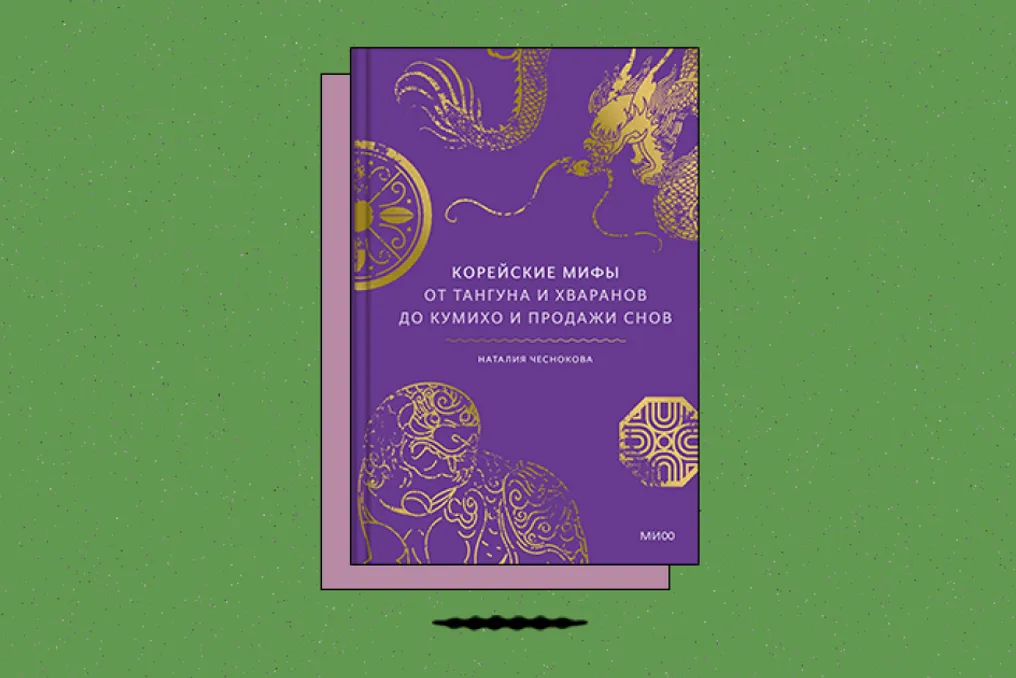
In the book 'Korean Myths: From Tangun and Hwarans to Gumiho and the Sale of Dreams' published by Mann, Иванов and Ferber, Koreanist Natalia Chesnokova illuminates folklore concerning the cosmos, Korean rulers, as well as spirits and monsters. The book presents a fragment about defenders of the oppressed, who, however, can pose a threat to everyone.
The Pulgasari Monster
Pulgasari is one of the least known outside of Korea, yet a vivid character in local folklore. This monster's peculiarity lies in its consumption of metals, including iron, armor, and any blacksmith's product. The more metal it absorbs, the larger it becomes, transforming from a small creature into a giant figure capable of confronting an entire army.
There are several versions of Pulgasari's origin. The general motif is that it is born from human suffering or as a consequence of forbidden belief. One popular version tells of a Buddhist monk from the Goryeo era who hid from persecution when Buddhism was attacked. He creates a tiny figurine from rice grains and then begins feeding it with iron needles. This figurine comes to life and starts growing rapidly, absorbing all surrounding metal. Other retellings link the appearance of Pulgasari to scrap metal long lying in the ground, or to a mixture of rice and blood, symbolizing the material traces of human life and violence.
Appearance and Metaphorical Meaning
The description of Pulgasari's appearance varies depending on the source. It is sometimes compared to a dragon or a giant snake, and at other times depicted as a hybrid of various animals: its body resembles a bear, it has an elephant trunk and rhinoceros horns, as well as tiger claws. In all cases, this creature possesses a powerful, almost indestructible body and stone skin, making it invulnerable to ordinary weapons because it feeds on metal. In some legends, the only vulnerability of Pulgasari is fire or intense heat, which can destroy it. Consequently, folk tales often depict an ending where people either burn the monster or lure it with destructive heat through deception.
From a semantic point of view, Pulgasari acts not merely as a metal-eating monster but as an embodiment of uncontrolled destructive energy. It grows based on human fears, military conflicts, and iron used in weapon production, ultimately beginning to threaten those who created the weapons. In some variations, it is initially summoned or created to defend against governmental pressure, but over time, the monster becomes excessively dangerous for everyone.
Pulgasari in Cinema
In the twentieth century, Pulgasari gained popularity in cinema. In the 1980s, the DPRK released the film 'Pulgasari.' According to the plot, peasants rise up against a cruel ruler, and they are aided by a huge metal-eating monster created by a deceased blacksmith. Initially, the film was intended as propaganda material, but over time, it became a cult classic and gained recognition outside the country, turning Pulgasari into a pop culture icon—a Korean 'monster from a fairy tale,' intertwining themes of fear of war, memory of oppression, and fantasies of power capable of changing the world. Nevertheless, when comparing the images of Pulgasari in medieval chronicles and in the film, it is clear that in the cinema, it bears some resemblance to Godzilla, and the general folklore narrative has undergone significant changes in the North Korean rendition.
Comparison of Myths and Film
In traditional folklore, Pulgasari is usually created by a Buddhist monk avoiding persecution during the period when Buddhism was banned. The monk molds a figurine from rice, feeds it with needles, and it comes to life. The main motif here is the suffering of the oppressed and the abstract evil of power, without a specific description of a popular uprising. However, in the film, this figurine is created by a rural blacksmith whom the regime kills for sympathizing with the peasants, and the monster is initially conceived as a tool for rebellion against an unjust feudal king.
In the myth, Pulgasari often acts as a natural force: it consumes iron, increases in size, absorbs military equipment, and can get out of control, threatening everyone. Its destructive power is ambiguous: it can be a hero punishing evil or a disaster born from human pain. In the film, however, the monster is presented as an ally of the peasants. It helps them destroy the troops of the corrupt ruler, protects the weak, and its 'iron diet' weakens the enemy. Later in the plot, a more complex aspect appears: the monster begins to devour the peasants' agricultural tools, suggesting that any force created for revolutionary purposes can become a problem for its creators.
Differences in Ending and Morality
In folklore, the story's conclusion remains uncertain. Sometimes Pulgasari is destroyed by fire or by monks; sometimes it simply disappears or 'may still live today.' The important thing is the motif: the creature is extremely difficult to destroy; it is almost invulnerable, which causes fear. In the film, however, Pulgasari's fate is linked to the blacksmith's daughter: it comes to life thanks to her blood and eventually dies when she sacrifices herself to stop the monster harming ordinary people.
Thus, in Korean folklore, Pulgasari serves as an avenger of unjust rulers by consuming their weaponry, but it does not form a cohesive narrative of revolution. It is rather a morality tale about retribution directed against those who abuse power. The cinematic version, however, transforms the plot into an explicit allegory of class struggle: the king deprives the peasants of iron to create weapons against them, and the peasants create a monster that helps overthrow the oppressors.
Out of the entire array of Korean myths, Pulgasari has become famous as a constant protector of the helpless, closely connected to the national Korean tradition. Although it may not be as exquisite as the frescoes on the walls of Goguryeo tombs, it demonstrates high effectiveness, making its deterrence very palpable.