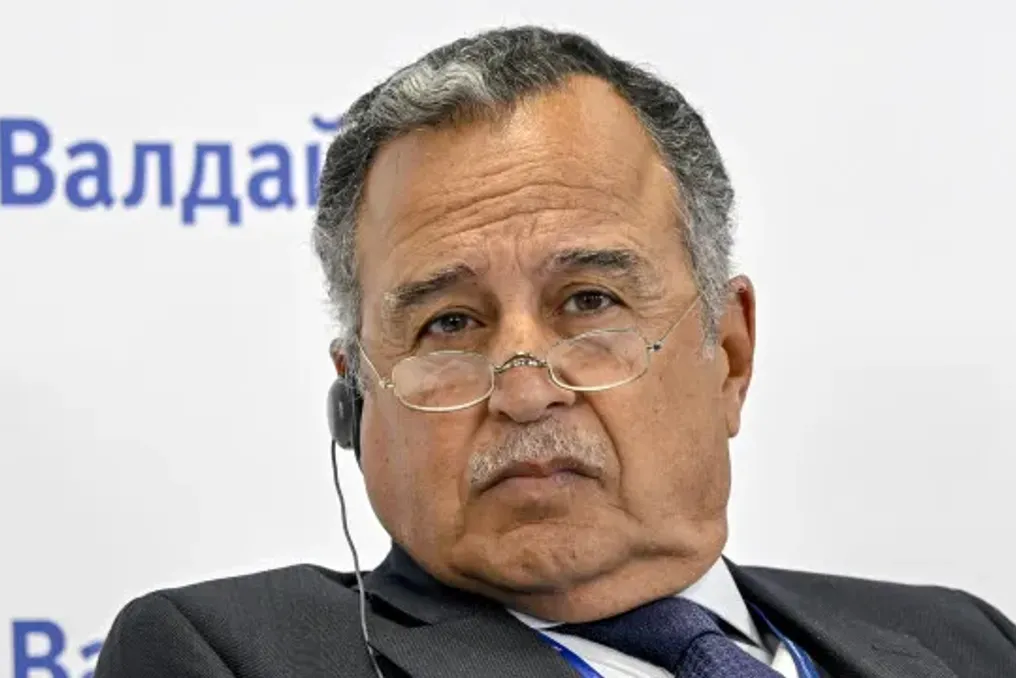
Nabil Fahmy, a diplomat with a long family tradition in the field, has assumed the leadership of the Arab League, succeeding Ahmed Abul Gheit, who directed the pan-Arab organization for two terms. This previous period was characterized by intense regional conflicts, political divisions, and external interference in the Arab world.
Challenges in the new management
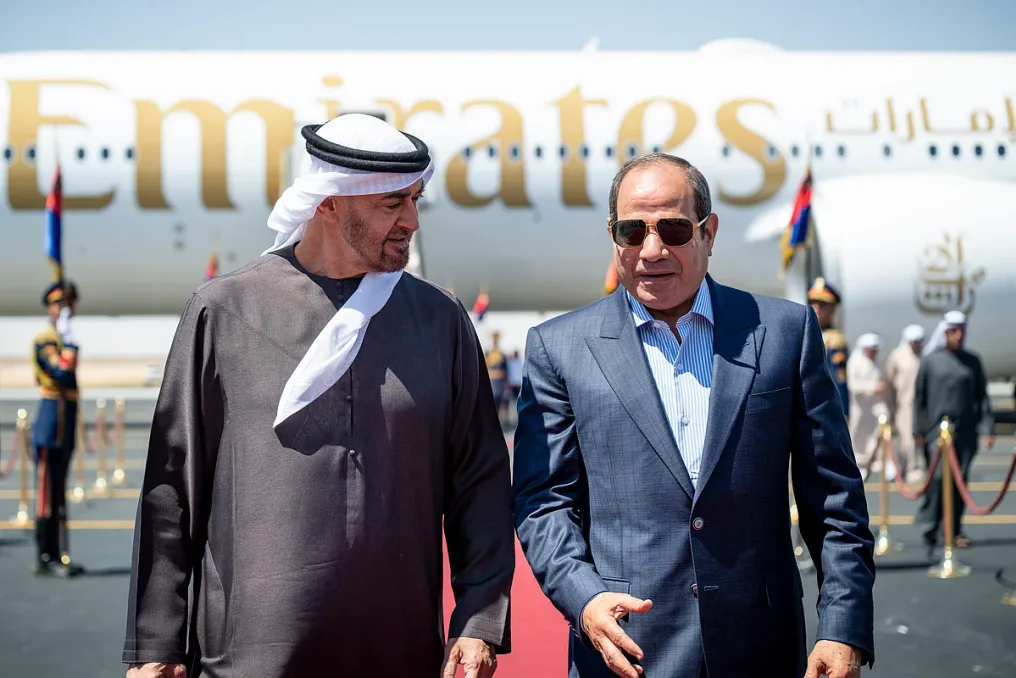
Aware of the difficulties awaiting him, Fahmy recently committed, during a meeting with Egyptian President Abdel Fattah el-Sisi, who hosted the organization, to developing an 'advanced and effective strategic vision' capable of addressing the challenges facing the 22 member countries.
The start of the new Secretary-General's term occurs amid high geopolitical tension in the Middle East, where there is growing discontent, both among the population and in official circles, regarding the performance of the Arab League itself.
Regional conflicts on the agenda
Fahmy's agenda is urgent, as various actors seek to end the conflict in the Persian Gulf involving the United States, Israel, and Iran. In this conflict, Iran-backed militias have been attacking other member states of the organization.
This clash has directly impacted the six members of the Gulf Cooperation Council (GCC), which include Saudi Arabia, Kuwait, Qatar, Bahrain, Oman, and the United Arab Emirates. Although these wealthy Arab League countries still depend on the United States for security, this dependence is increasingly perceived as a risk.
Internal and international crises
Other serious problems include the crisis in Lebanon, which suffers continuous bombings and is partially under Israeli occupation. Furthermore, the Shia group Hezbollah, an ally of Iran, persists in refusing to disarm or renounce its influence, despite efforts by President Joseph Aoun's government to guarantee the state exclusive control over the use of force.
Similar situations are observed in the Israeli-Palestinian conflict, where the Arab League failed to reach an agreement on joint action to stop the Israeli war in the Gaza Strip. The same deadlocks occurred regarding the civil war in Sudan and the conflicts in Libya and Yemen.
Calls for modernization
Since his candidacy was unanimously approved in March, Arab analysts have emphasized the need for the new Secretary-General to promote the modernization of the Arab League's institutional mechanisms and develop a modern and efficient strategic perspective to face current challenges.
Fahmy's professional trajectory
Fahmy holds a degree in Computer Science and a Master's in Management from the American University in Cairo, completed in 1976. He is a career diplomat with more than thirty years of service in the Egyptian diplomatic corps, specializing in conflict resolution, relations with major powers, and arms control.
His father, Ismail Fahmy, former Minister of Foreign Affairs of Egypt (a position held between 1973 and 1977), was part of Egyptian delegations at crucial international diplomacy events, such as the Madrid Peace Conference in 1991 and negotiations on the Nuclear Non-Proliferation Treaty.
Fahmy served as the Egyptian Ambassador to Japan (1997-1999) and the United States (1999-2000), in addition to serving as Minister of Foreign Affairs between 2013 and 2014. He is also the author of works such as 'Egyptian Diplomacy in Times of War, Peace, and Transition and From the Center of Events.'