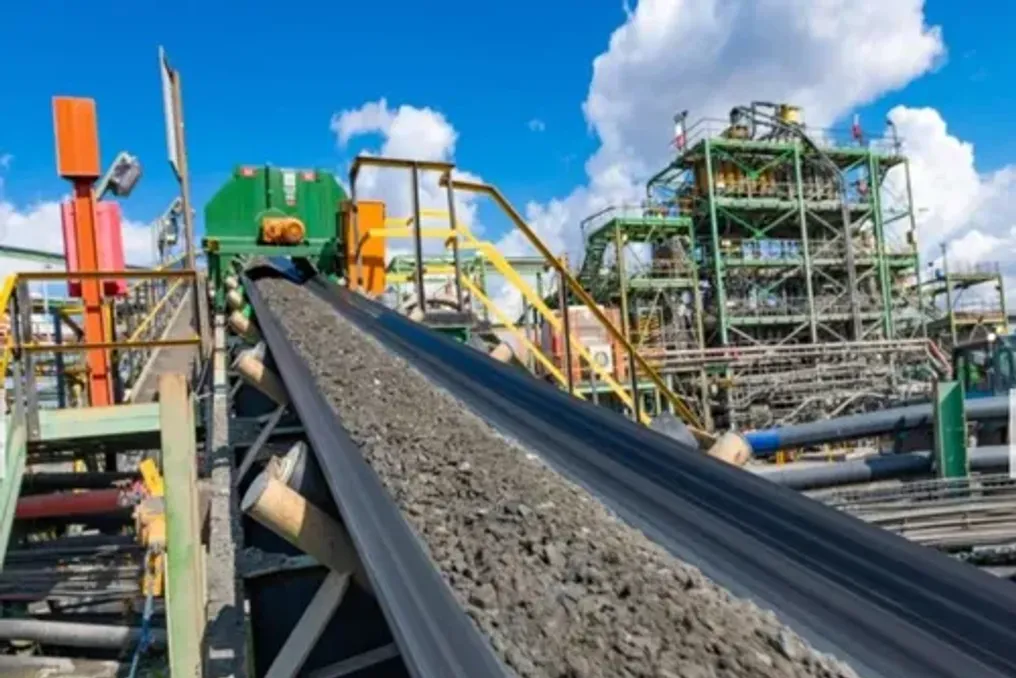
Tharisa, a company involved in mining, metals, and innovation, reported an increase in platinum group metal (PGM) production in the third quarter. The open-pit mine of Tharisa produces PGM and chromite concentrates.
Tharisa, a company involved in mining, metals, and innovation, reported an increase in platinum group metal (PGM) production in the third quarter. The open-pit mine of Tharisa produces PGM and chromite concentrates.
As of June 30, 2026, the mining group stated that the Tharisa underground development project and the Karo Platinum project in Zimbabwe are progressing according to schedule and budget. PGM production for the quarter reached 39.6 kilograms per ounce (koz), which is higher than the 34.3 koz recorded in the second quarter. Meanwhile, chrome production amounted to 393.8 kilotons (kt), a decrease compared to 404.0 kt in the second quarter.
According to the company, the annual production allowed the group to meet management forecasts for the entire 2026 fiscal year. CEO Phoevos Pouroulis noted that the third quarter demonstrated operational normalization and adherence to the budget. The 15.5% increase in PGM production was ensured by a significant improvement in the recovery rate to 83.8%, despite a decrease in the volume of processed raw materials.
The average price of the PGM metal basket was $2,681 per ounce in the third quarter, lower than the $3,038 per ounce in the third quarter. The average price of metallurgical grade chrome concentrate reached $306 per ton compared to $290 per ton in the second quarter. The Tharisa project is on track with its plan and budget, and portal development is expected to deliver the first run-of-mine (ROM) ore in the fourth quarter.
Investments in Karo Platinum continue with a focus on infrastructure projects. Contractor mobilization for Phase 1 has been completed, and waste stripping work at the open-pit mine is actively underway. The group's total cash reached $198.8 million compared to $184.3 million at the end of the second quarter, while debt obligations increased to $188.1 million from $129.6 million at the end of March.
Phoevos Pouroulis also reported that the 41.6% increase in vein extraction was due to recovery after mining disruptions caused by weather conditions in the previous quarter. The recovery in extraction rates contributed to an improvement in the quality of PGM and ROM chrome raw materials, offsetting the impact of a slightly smaller processing volume. Despite the decline in PGM prices due to the strengthening US dollar, higher real interest rates, and new Fed tightness, prices remained significantly higher than in the same period last year, and medium-term fundamentals remain supportive.
Chrome prices were favorable due to strong customer demand; however, they subsequently weakened due to reduced demand for stainless steel and cautious purchasing at plants, as well as prolonged tension in the Middle East, which accounts for about 15% of stainless steel consumption. The company continues to invest in the cycle by developing Karo Platinum and the Tharisa project, while maintaining nearly $200 million in cash and a positive net cash position of $10.7 million.
The production forecast for the 2026 fiscal year is set between 145 to 165 koz of PGM (based on 6E) and between 1.5 to 1.65 million tons of chrome concentrates. Tharisa shares did not trade on Tuesday morning on the JSE at a price of 24.99 rials, which is slightly higher than 21.25 rials a year ago.