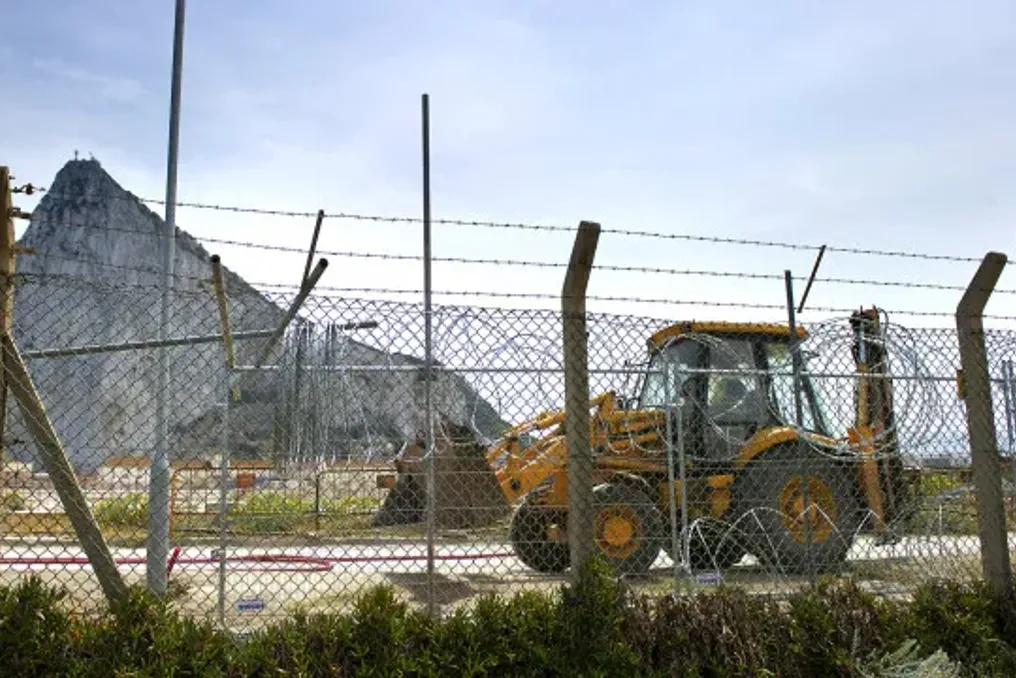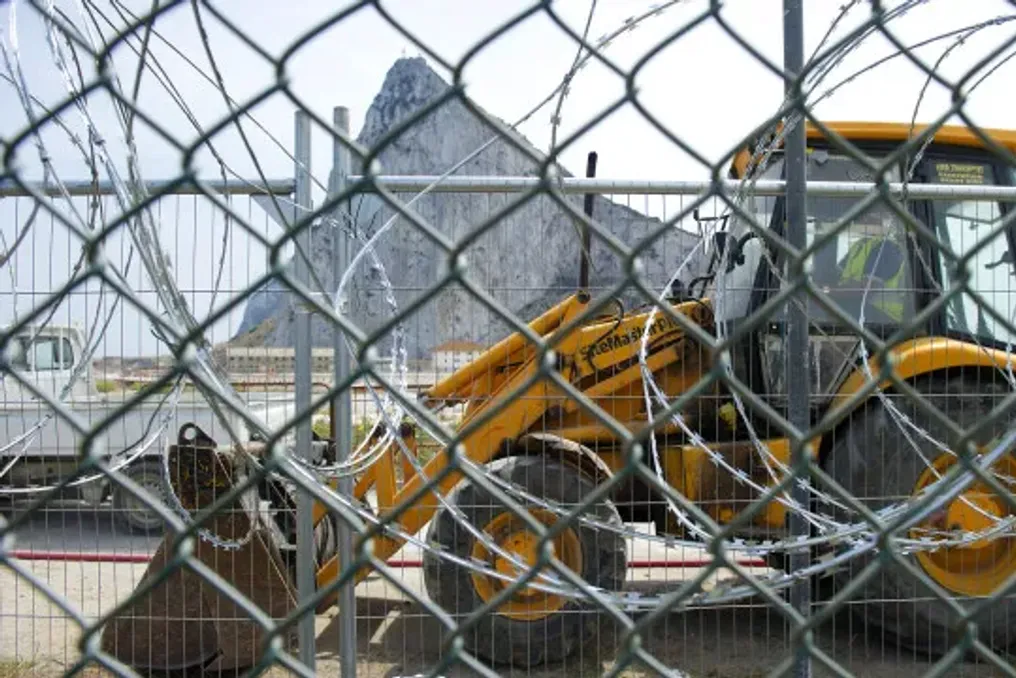
The mayor of La Línea de la Concepción, Juan Franco, stated in an interview with the Lusa agency that although Gibraltar and La Línea are losing their border, the inequality between the localities remains, citing statistics.
Economic Inequality and Employment
Franco used unemployment rates as an example, highlighting that La Línea registers one of Spain's highest rates, close to 35% in 2025, according to official data. In contrast, Gibraltar, a British territory that shares a land border of approximately 1.2 kilometers with La Línea, has a full employment rate.
He emphasized that the unemployment situation in Gibraltar is at its best since 2007, nearly twenty years, and mentioned that there are 7,600 unemployed people in the city. Given this scenario, Juan Franco requested that the agreement between the European Union and the United Kingdom regarding Gibraltar, which would be signed in Brussels and enter into force at midnight, be accompanied by aid and measures that promote the development of La Línea de la Concepción and the entire Spanish region of Campo de Gibraltar.
Post-Brexit Agreement Context
This agreement aims to regulate Gibraltar's relationship with the rest of the EU after Brexit, the UK's withdrawal from the European bloc, voted on ten years ago in a referendum. The case of Gibraltar is considered 'sui generis', requiring a decade to reach a highly specific pact, which did not fit the general understanding reached between the UK and the EU in 2020.
Juan Franco assessed the agreement as positive, as the alternative would be a 'disaster'. This alternative would consist of maintaining the existing prohibition around Gibraltar since 1909, separating it from La Línea, and a border post with dual control of passports and goods, which would need to be reinforced to comply with the rules of the EU's external borders.
Life Under Legal Limbo
During these ten years, the generic situation before Brexit was maintained, placing Gibraltar and La Línea in a legal limbo. This allowed the daily movement of 15,000 people to the British territory to work (mostly on foot), in addition to the supply of goods by Spanish companies to the English colony. Added to this are the tourists who regularly visit Gibraltar, crossing the only land crossing point, and the Gibraltarians who shop or use services in the Spanish city.
There were times when news emerged of long queues to enter Gibraltar, formed mainly by workers, when police authorities on both sides applied the rules of an EU external border, serving as a warning to politicians about the need for a regulatory agreement.
Local Economic Impact
With the agreement finally reached, both the prohibition separating Gibraltar from La Línea and the border control will cease to exist at midnight. Juan Franco, born in La Línea de la Concepción in 1975, knows the history of how the city arose, grew, and always depended on the 'economic warmth of Gibraltar.'
He emphasized that crossing the border is essential, explaining that only 11,000 people in his city work in Gibraltar, while another 5,000 reside in neighboring villages and towns. Furthermore, a company in La Línea obtains, on average, one-third of its revenue from Gibraltarian clients. Therefore, a barrier would represent a serious economic and social disaster.
Deficiencies and Future
The mayor considered the agreement beneficial but also incomplete, pointing out that some aspects leave questions for an uncertain future, such as the creation of a 'social cohesion fund' without definition on who will finance it, in what amounts, or for what purposes.
There is also the declared intention by Spain to 'establish a special economic zone with differentiated tax treatment' for La Línea, aiming to allow development comparable to that of Gibraltar, something Juan Franco hopes will materialize. He also highlighted other issues resulting from proximity to Gibraltar, such as the case of retirees who worked in the British territory, whose pensions are 'very low' and compensated on the English side by benefits accessible only to residents of the colony, leaving thousands of Spanish workers in a complicated situation.
Historical Development of the Region
Despite La Línea always living 'in the heat of Gibraltar's economy', its development was slower and more unequal, especially after the total closure of the border (for people between 1969 and 1982 and for goods in 1985), a result of a decision by the Spanish dictator Francisco Franco. This measure left thousands of inhabitants without work and caused an exodus of tens of thousands of people annually.
In parallel, according to Juan Franco, the 'paradox of the inversion of the [Spanish] State to establish a prosperous zone in this region ended up focusing on surrounding cities', such as the port of Algeciras, neglecting the 'very small municipality' of La Línea, despite being the only one with a border with Gibraltar.
Celebration of the End of the Prohibition
At midnight, when the EU agreement with the UK comes into force, Juan Franco will go to the border to celebrate with the Gibraltarian executive chief, Fabian Picardo, the end of the checkpoint and the lifting of the prohibition. For Franco and Picardo, both born in the cities they now govern and of similar ages, this is a moment charged with symbolism and emotion.
Franco explained that no one lived in Gibraltar or La Línea without 'la verja' or 'a vedação', which was seen as 'the last wall of continental Europe', even if the daily relationship between residents on both sides was simple, such as going to the gym or working.