The Minister of Cooperative Governance and Traditional Affairs, Velenkosini Hlabisa, voiced serious concerns regarding the ongoing fatalities during the 2026 winter customary initiation period, confirming that thirty-five initiates have passed away.
The Minister of Cooperative Governance and Traditional Affairs, Velenkosini Hlabisa, voiced serious concerns regarding the ongoing fatalities during the 2026 winter customary initiation period, confirming that thirty-five initiates have passed away.
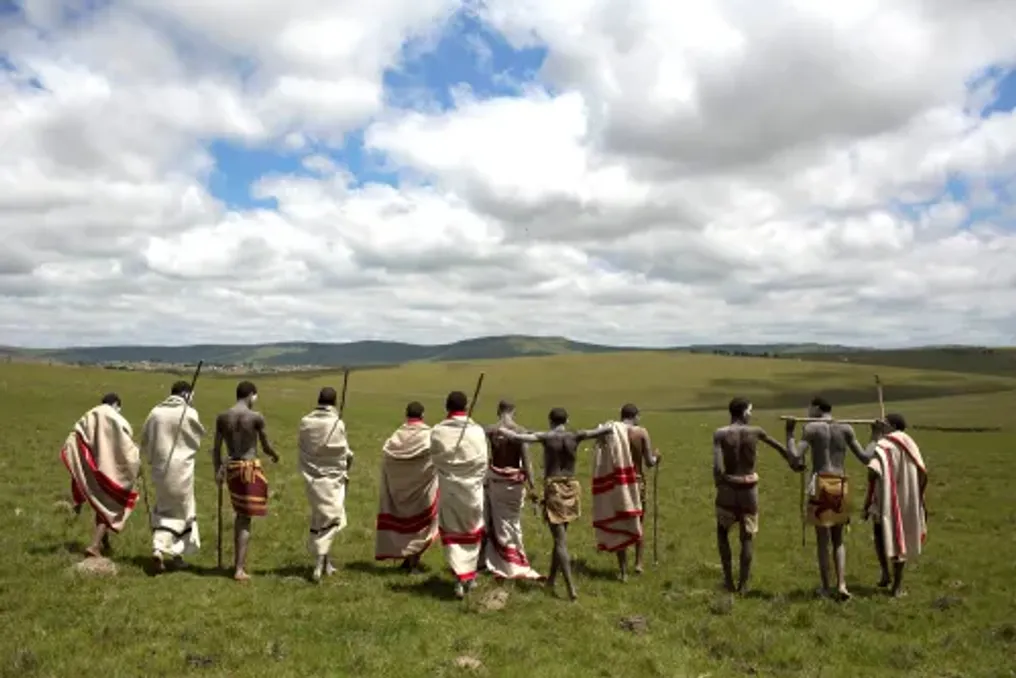
On Monday, July 13, Hlabisa officially confirmed the deaths of thirty-five young men who participated in traditional initiation schools as part of a cultural rite of passage into manhood during the 2026 winter season. Additionally, seventy-five initiates required hospitalization. Preliminary data gathered from Provincial Initiation Coordinating Committees (PICCs) as of July 12, 2026, indicated a total of 35 deaths.
These reports also documented several other incidents: twelve instances of abduction, the operation of fifty-eight illegal initiation schools (forty-two of which have since been shut down), the rescue of one hundred eighty initiates, seventy-five hospitalizations, and three assault cases.
In response to these events, law enforcement agencies initiated one hundred fifty criminal cases, leading to forty arrests, according to Hlabisa. He stated that these statistics are highly alarming and underscore the necessity for collective action to eradicate preventable injuries, deaths, and criminal activities linked to customary initiation.
Hlabisa offered condolences to the bereaved families and wished a swift recovery to those who were injured or remained hospitalized, emphasizing that ensuring the safety of initiates is a shared duty.
He stressed that the government cannot resolve these tragedies alone, asserting that success hinges on robust cooperation among families, traditional leaders, local communities, law enforcement bodies, healthcare workers, municipalities, educators, and all stakeholders involved in protecting this sacred cultural practice.
Hlabisa specifically highlighted the crucial role of parents and guardians, urging them to guarantee that their children attend only legally recognized initiation schools and to verify that the traditional surgeon and nurse are properly authorized under the law. He warned that parental negligence and failure to confirm the legality of schools put young lives at undue risk.
Furthermore, he strongly denounced the continuation of illegal initiation schools, noting that they compromise the integrity of the custom and are implicated in numerous annual deaths, assaults, kidnappings, and abuses. He warned that individuals involved in establishing, facilitating, or participating in such illegal schools are committing criminal offenses and will face the full force of the law.
The Customary Initiation Act was mentioned as providing a complete legal structure to govern the practice, safeguard initiates, and maintain its cultural integrity. This Act mandates the registration of initiation schools, establishes PICCs, and allows for oversight, inspections, and enforcement against violators.
Hlabisa acknowledged the diligent work of the Provincial Initiation Coordinating Committees, traditional leaders, the South African Police Service, provincial departments, municipalities, emergency medical services, and community members for their continuous monitoring, awareness campaigns, and enforcement actions. These combined efforts have successfully led to the closure of illicit schools, the rescue of initiates, and the apprehension of offenders.
He appealed to all South Africans to reject dangerous practices while simultaneously upholding the cultural heritage of customary initiation, stating that respect for tradition must align with respect for the law and the constitutional rights to life, dignity, and safety for every initiate. COGTA pledged continued close collaboration with PICCs and related parties to enhance monitoring, enforcement, and public awareness for the remainder of the season, aiming for zero deaths, zero injuries, and zero illegal schools.
The Minister for Joint Management and Traditional Affairs, Velenkosini Khlabisa, expressed serious concern regarding the deaths and incidents that occurred during the 2026 Winter Traditional Initiation Season.
Although this rite is recognized as a respected tradition marking the transition to adulthood, the minister insists that it must be conducted in a manner that guarantees the dignity, health, and life of every initiate.
Preliminary PICC reports recorded 35 deaths among initiates, 12 kidnapping cases, the closure of 58 illegal initiation schools against 42 opened, 180 rescues, 75 hospitalizations, three assault cases, and one injury. Consequently, law enforcement agencies have initiated 150 criminal cases and made 40 arrests.
Khlabisa noted that these figures cause deep alarm and serve as a stark reminder that collectively much more must be done to eliminate preventable deaths, injuries, and criminal activity associated with traditional initiation.
The Minister extended sincere condolences to the families mourning the loss of their sons and wished a speedy recovery to the injured. He emphasized that the safety of the initiates is a shared responsibility, and the government cannot single-handedly resolve such tragedies.
He stressed that success depends on strengthening cooperation between families, traditional leaders, communities, law enforcement, medical personnel, municipalities, educators, and all stakeholders responsible for protecting this sacred custom.
The Minister added that parents and guardians must play a crucial role by ensuring that children attend only officially registered initiation schools with authorized traditional surgeons and nurses. They must also actively participate by reporting suspicious or illegal activities to the authorities, as parental neglect and failure to verify legitimacy endanger young lives.
Furthermore, the minister condemned the ongoing activities of illegal initiation schools, which undermine the integrity of traditional initiation and are responsible for many reported annual deaths, injuries, kidnappings, and abuses.
He stated that individuals who establish, facilitate, or participate in illegal initiation schools must understand that they are committing criminal offenses and will face the full force of the law. The Traditional Initiation Act establishes the legislative framework for regulating this process, protecting initiates, and preserving cultural integrity. It requires the registration of initiation schools, establishes Provincial Initiation Coordination Committees, and allows for oversight, inspections, and action against violators.
The Minister highly commended the work of the Provincial Initiation Coordination Committees, traditional leaders, the South African Police Service, provincial departments, municipalities, emergency medical services, and public stakeholders for continuous monitoring, inspections, awareness campaigns, and operational activities throughout the season.
He noted that these coordinated efforts have led to the closure of illegal schools, the rescue of initiates, and the arrest of offenders, demonstrating the value of a unified multi-sectoral response. The Minister called on all South Africans to protect the cultural heritage of traditional initiation, firmly rejecting any life-threatening practices.
Khlabisa concluded that respect for tradition must go hand-in-hand with respect for the law and the constitutional rights of every initiate to life, dignity, and safety. The government maintains an unwavering commitment to collaborating with traditional leaders, families, communities, and all relevant parties toward a zero number of deaths, zero number of injuries, and the complete eradication of unauthorized initiation schools. He stressed that ensuring the safe return of every initiate home while preserving their dignity is a fundamental right and a critical outcome requiring active fulfillment by everyone.