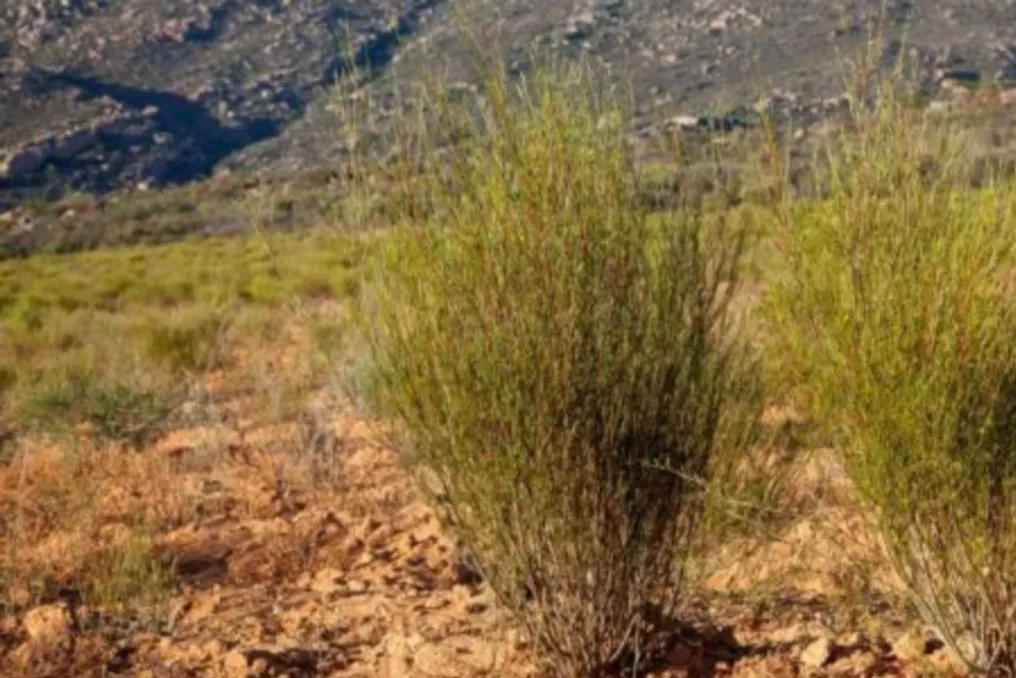
Rooibos has gained international recognition due to its unique taste, beneficial properties, and distinct origin from South Africa. As new export markets open up and demand grows, protecting the original provenance of rooibos is becoming increasingly vital for the industry's future.
Trade Development and Brand Protection
Popular
Recent trade changes, including expanded market access and the removal of tariffs on South African exports to China, are creating new opportunities for rooibos producers and exporters. Simultaneously, they are intensifying focus on protecting one of the industry's most valuable assets—the right to the name 'rooibos.'
Legal Basis of Origin
Unlike many herbal infusions, rooibos holds official Geographical Indication (GI) protection and is recognized within the EU system as a Protected Designation of Origin (PDO). This means that the name 'rooibos' is legally reserved for beverages made from the plant Aspalathus linearis, grown in a specific production area of South Africa, primarily in the Cederberg regions, as well as adjacent parts of the Western and Northern Cape, in jurisdictions that recognize this designation.
According to the South African Rooibos Council, this protection directly links the name to its place of production, allowing it to be used only for products originating from the specified zone. Thus, rooibos falls into the same category of protected origin products as Champagne, Parmigiano Reggiano, and Darjeeling tea, where the right to use the name belongs only to goods from a specific region.
Importance of Preserving Authenticity
Dawie de Villiers, Director of the South African Rooibos Council (SARC), noted that the protection of the name has become critically important amid growing international demand. He emphasized that preserving the origin helps maintain product integrity and the reputation built by South African producers over generations. In his words, consumers want assurance that they are buying an authentic product from its natural environment.
Although rooibos enjoys strong origin protection in several key markets, equivalent protection does not automatically extend to all importing countries. Given the rise in global demand, broader intellectual property strategies are becoming increasingly necessary to ensure the protection of its origin across various legal systems.
Role of Origin in the Supply Chain
As global food supply chains become more complex, origin has become a key differentiator. Consumers are increasingly preferring products that are authentic, traceable, and sustainably produced, especially in premium food and wellness markets.
De Villiers added that origin has become part of the value proposition. The company's goal is not just to increase export volumes but to grow demand while maintaining the premium quality, authenticity, and origin that distinguish rooibos in international markets. This requires not only legal protection but also robust traceability in the supply chain, reliable certification systems, and continuous brand management.
Maintaining Long-Term Value
SARC has repeatedly pointed out that production is carefully controlled to maintain quality and sustainability. It is acknowledged that rooibos can only be cultivated in a relatively small geographical area where the unique combination of climate, soil, and biodiversity gives the plant its characteristic traits. Since authentic rooibos cannot simply be replicated elsewhere, name protection helps guarantee that the economic benefits from growing global demand continue to reach the communities and producers responsible for cultivating this local harvest.