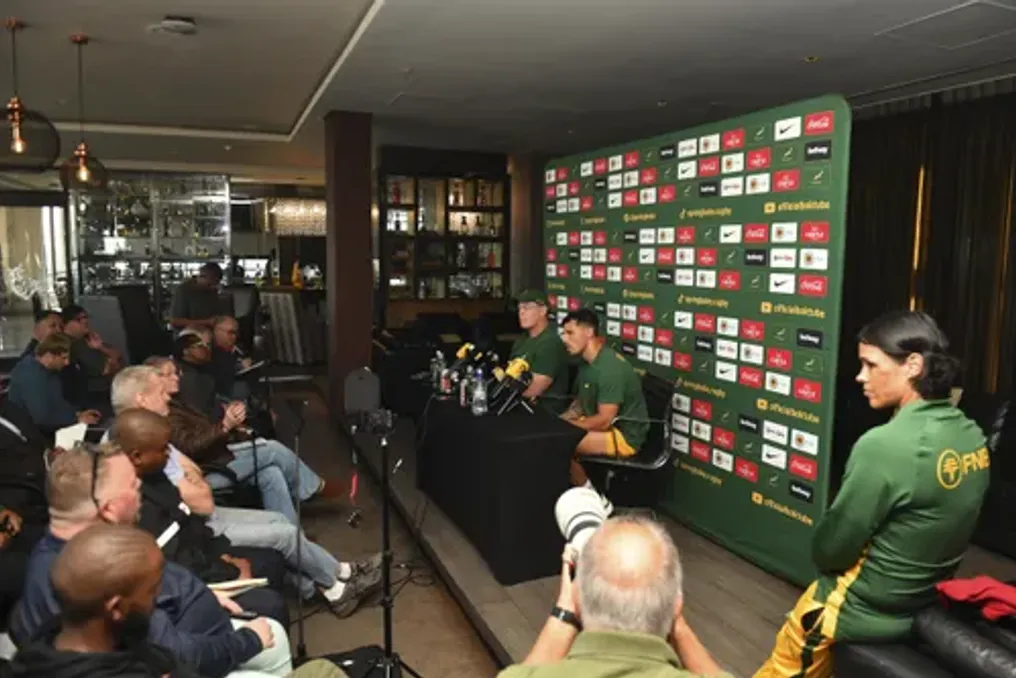
Rassie Erasmus states that the Springboks team should not succumb to public opinion that England will be easily defeated in the match scheduled for Ellis Park on Saturday (starting at 17:40).
Analysis of the World Rugby Situation
England concluded its worst season in the Six Nations, which included a first defeat to Italy, and the final was marked by a tough loss to France in Paris. The coach explained that it is easy to accept a mistaken opinion based solely on past results, statistics, news articles, TikTok videos, or podcasts if thorough preparation is not conducted.
He emphasized that situations in rugby can change rapidly, and a week is a long time, let alone several months. Erasmus recalled an instance where the Boks lost to the team in Albany, New Zealand, with a score of 57:0 in 2017, and a week later suffered a defeat to the same team in Cape Town.
Lessons from the Past and Current Challenges
Erasmus continued, mentioning that five months after several heavy defeats in the Rugby World Cup, the team traveled to the World Cup in Japan and won. Last year, Australia defeated them at Ellis Park, after which the Springboks won the Rugby World Cup.
Furthermore, Thomas du Toit, who returned from the English Premier League after three years away, warned his teammates about the high level of play of the English players. He noted that they understand that England has come here to win and desire this victory just as much.
The Coach's Fears and His 'Safe Place'
This Saturday, the Boks return to Ellis Park to host England, closing the circle with the 2018 match at the same venue. It was in that match, where the Springboks lost to Eddie Jones' England with a score of 42:39, that Erasmus first achieved a victory as the coach of the Springboks.
When asked if he still had the same hunger, he replied: 'My biggest fear is probably not losing, because in sports you will lose games—we lost several last year, and the year before that too.' He clarified: 'My biggest fear is not the end of coaching or inevitable defeats. My biggest fear is related to damaging the special cohesion we have in South Africa. It gives me a rush of adrenaline; I am afraid of losing that. That is why we work so hard.'
Erasmus explained that being in the camp to prepare for games is his 'safe place'. He added that the period from December to January after the November games is dedicated to watching a large amount of rugby and planning succession. During this time, when the team is not in camp, there is time for reflection and assessing the situation. Returning to the camp brings energy because the players, coaching staff, and all the personalities with whom the team has gone through good and bad times are gathered there. It is there that he analyzes ups and downs, difficult periods, to prepare for new great moments.