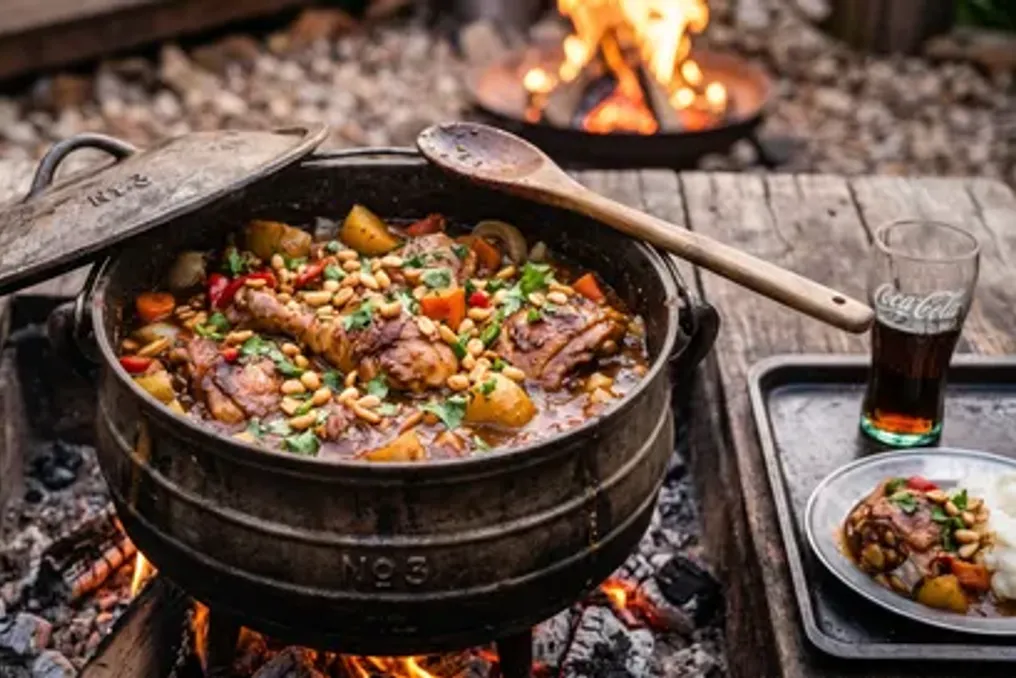
Making chicken potjie with peanut butter and Coca-Cola allows you to enjoy the cozy flavors of this dish. Although traditional potjies are often made with beef or lamb, chicken is a more accessible and quicker option while retaining a rich flavor.
Making chicken potjie with peanut butter and Coca-Cola allows you to enjoy the cozy flavors of this dish. Although traditional potjies are often made with beef or lamb, chicken is a more accessible and quicker option while retaining a rich flavor.
This potjie combines the sweetness of cola with the nutty richness of peanut butter, creating a glossy, sticky sauce that coats every piece of chicken. Despite its unusual nature, Coca-Cola has long been used in marinades and slow-cooked dishes because its sugar caramelizes beautifully, and its acidity helps tenderize the meat.
Since this dish is simple to prepare and requires minimal attention after all ingredients are added, it is ideal for family dinners, weekend gatherings with friends, or even for camping.
The recipe requires 8 pieces of chicken (thighs and drumsticks are best), 2 tablespoons of vegetable oil, 1 large onion, chopped, 3 cloves of minced garlic, 1 tablespoon of fresh grated ginger, 2 carrots, sliced, 2 medium potatoes, cut into chunks, 250g mushrooms, halved (optional), 1 cup of Coca-Cola, 3 tablespoons of smooth peanut butter, 2 tablespoons of tomato sauce, 1 tablespoon of soy sauce, 1 teaspoon of paprika, 1 teaspoon of mixed herbs, salt and black pepper to taste, and fresh parsley for garnish.
First, heat the oil in a potjie pot over medium heat on coals. Fry the chicken pieces in batches until golden brown on all sides, then remove and set aside. In the same potjie, sauté the onion until soft, then add the garlic and ginger, cooking for another minute until fragrant.
Next, place the carrots, potatoes, and mushrooms over the onions in the potjie. Return the fried chicken to the potjie, arranging it on top of the vegetables. In a separate bowl, whisk together the Coca-Cola, peanut butter, tomato sauce, soy sauce, paprika, and mixed herbs until a uniform consistency is achieved. Season the mixture lightly with salt and pepper.
Pour the resulting sauce evenly over the chicken. It is important not to stir, as potjies are best cooked in layers. Cover the potjie with a lid, and let the dish simmer slowly over moderate coals for one and a half to two hours. Periodically check the liquid level, but avoid opening the lid too often.
When the chicken is tender and the vegetables are fully cooked, sprinkle the dish with chopped parsley. Serve it with steamed rice, pap, crusty bread, or melted samp to soak up the rich sauce.
To achieve a deeper and richer flavor, it is recommended to fry the chicken well before slow cooking. You must use Coca-Cola with full sugar content, as diet versions do not caramelize in the same way. Smooth peanut butter provides the creamiest sauce texture, although crunchy can add extra structure. The temperature must be kept low and stable; the potjie should simmer slowly, not boil vigorously.
If you want to add heat, you can mix in one sliced chili or a teaspoon of chili flakes into the sauce. You can also add a handful of spinach in the last ten minutes of cooking for extra color and nutrition. The combination of sweet cola, savory soy sauce, and creamy peanut butter creates a surprisingly balanced dish that is both filling and appealing to many. Whether you cook it over an open fire or adapt the recipe for a stovetop pot, this chicken potjie with peanut butter and Coca-Cola is worth adding to your collection.
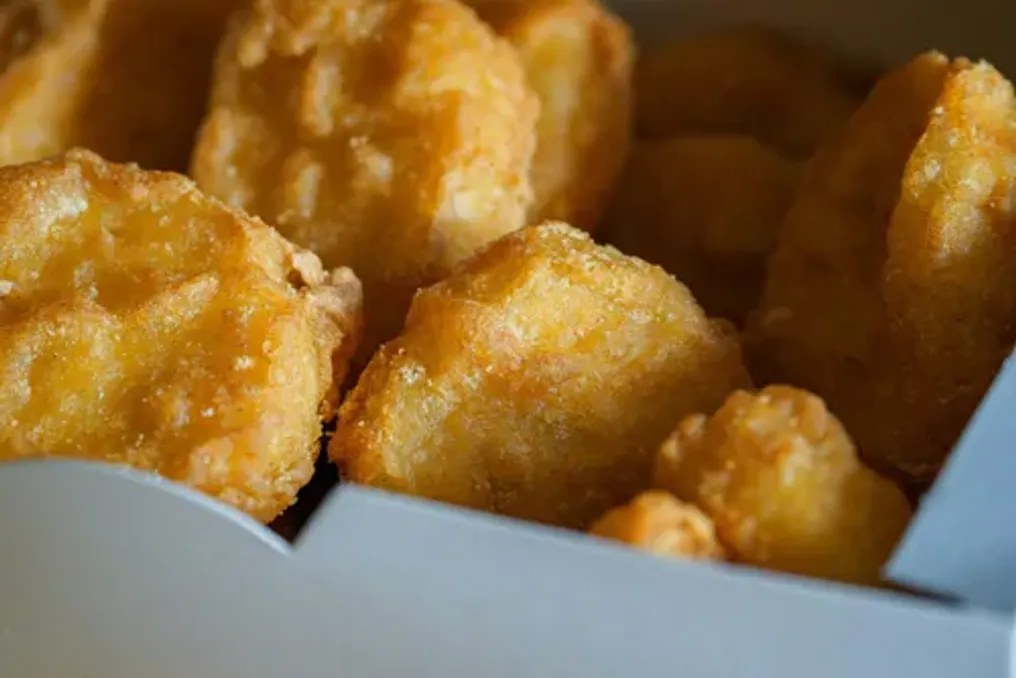
Homemade chicken nuggets combine the convenience of preparation with the ability to control the ingredients of the dish. These nuggets are very popular because children often ask for them after school, for lunch, or during dinner.
Although frozen packages seem appealing due to their simplicity, the quality of texture and taste can be inconsistent, and ingredient lists are often too long. Making them from scratch turns out to be much easier than many assume. This only requires chicken breast, spices, a simple batter, and hot oil for frying. The result is a nugget with a crispy golden crust on the outside and juicy meat inside, while you know exactly what it is made of.
Using chicken breast ensures a cleaner texture compared to many processed nuggets. Grinding the chicken with egg creates a mixture that is easy to shape, and brief freezing helps the nuggets maintain their shape during deep-frying. The batter also plays an important role: a slightly thick mass closely coats the nuggets, forming a crispy shell typically associated with fast-food restaurant nuggets.
Ingredients for the chicken mixture: 500g diced chicken breast, 1 egg, 1 teaspoon of salt, ½ teaspoon of black pepper, 1 teaspoon of garlic powder, and 1 teaspoon of paprika.
Ingredients for the coating: ½ cup of cornstarch.
Ingredients for the batter: 1 cup of flour, 1 teaspoon of garlic powder, 1 teaspoon of paprika, ½ teaspoon of salt, 1 egg, 1 teaspoon of baking powder, and ¾ cup of water. The batter should be slightly thick, not runny.
Ingredients for frying: Vegetable or rapeseed oil.
Preparation: First, grind the diced chicken breast in a food processor along with the egg, salt, pepper, garlic powder, and paprika until a smooth paste is obtained. Transfer this mixture to a bowl and, using lightly oiled hands, form pieces the size of nuggets. Roll each piece in cornstarch. Place them on a parchment-lined tray and freeze for about 30 minutes so they firm up and are easier to coat.
Next, mix the flour, garlic powder, paprika, salt, egg, baking powder, and water to make the batter. Then heat the oil in a deep pan. Take the nuggets out of the freezer, dip each one in the batter, and fry in batches until golden brown and fully cooked, which takes about 4–5 minutes per batch. Afterward, drain the excess oil by placing the cooked nuggets on paper towels, and serve with your favorite sauce.
There are common mistakes that can lead to soft nuggets. If the oil is not hot enough, the batter will start absorbing fat instead of becoming crispy. A problem can also arise if the batter is too thin, leading to a weak coating that falls off during frying. Other errors include overloading the pan, which lowers the oil temperature, and skipping the freezing step, as chilled nuggets hold their shape better.
Nuggets can also be baked or cooked in an air fryer. For a lighter option, place the coated nuggets on a greased tray and bake at 200°C until golden brown and cooked, turning them halfway through. In an air fryer, cook at 200°C for about 10–12 minutes, depending on the size of the nuggets. Although the texture will be slightly different from deep-fried, the exterior will still become crispy.
These homemade nuggets offer a balance between convenience and knowing the product's composition. They use real chicken breast and basic pantry staples, and the cooking method is simple enough for a weekend culinary project. After making them yourself, the frozen version from the supermarket often loses its appeal.
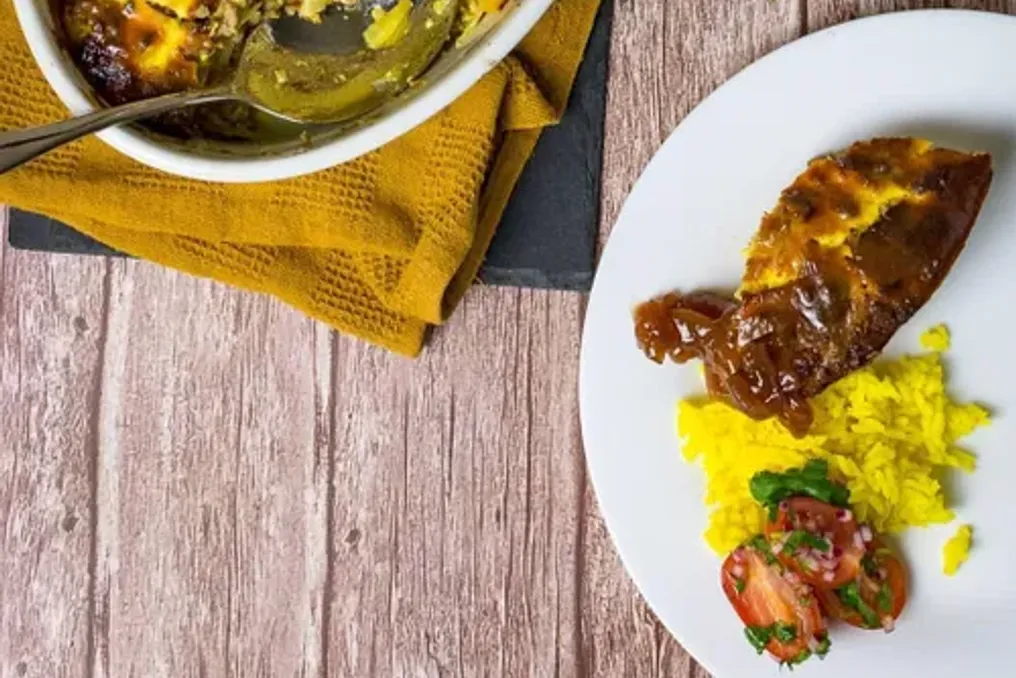
Bobotie is a dish that has become a favorite in many South African homes, perfectly combining sweet and savory notes. The aroma of gently spiced mince baked under a golden egg custard topping can fill the house with anticipation even before dinner begins.
This traditional recipe is distinguished by the addition of curry spices, fruit chutney, and raisins to the beef mince, lending it warmth and a slight sweetness. The creamy top bakes to a light golden color, setting bobotie apart from other mince recipes.
It is traditionally served with turmeric rice, as well as a fresh salad of tomatoes and onions. An extra spoonful of fruit chutney helps complete the flavor experience. Bobotie remains one of South Africa's most beloved family dishes due to its comforting combination of mild spices, savory meat, and delicately baked custard topping.
To prepare, preheat the oven to 180°C (or 160°C on convection mode). Cold milk (120 ml) is poured over torn white bread and left to soak. Then, butter is melted in a large pan, and onion is diced and sautéed for about ten minutes until soft and lightly golden. Next, garlic, ginger, two bay leaves, and beef mince are added, and the mince is browned while constantly breaking up clumps.
Curry powder, crushed allspice berries, whole cloves, white pepper, dried herbs, raisins, apricot chutney, turmeric, and two more bay leaves are mixed into the mince. Water is added, and the mixture simmers for about five minutes. After removing from the heat, the bay leaves are removed, and the soaked bread is mixed into the mince until evenly distributed. The mixture is seasoned to taste and placed in a baking dish, pressed evenly.
For the custard, eggs are whisked with the remaining 300 ml of milk and poured evenly over the mince. The remaining bay leaves are spread on top. The dish is baked for 50 minutes to an hour, until the custard base sets and the top achieves a light golden color. The finished dish is served hot with turmeric rice, a simple tomato and onion salad, and an extra portion of apricot chutney.
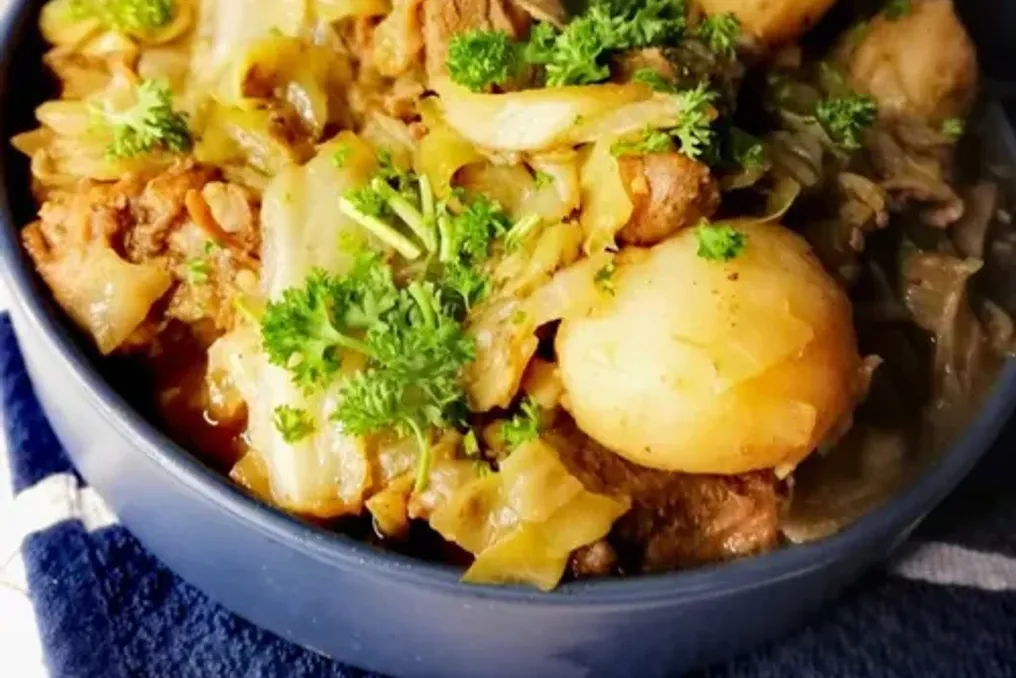
Cabbage bredie is a favorite dish in many Cape homes and is considered ideal for the South African winter. This dish is deeply rooted in Cape Malay cuisine, transforming simple ingredients into a hearty and rich meal. Traditionally, bredie is prepared by slow-simmering meat and vegetables together, creating a rich and comforting flavor. A special advantage of this dish is that it tastes even better the next day, as the aromas continue to develop. To make an excellent cabbage bredie, it is important not to rush: first, the onion should be caramelized to a deep golden color to create a sweet and savory base. Then, the meat must be properly browned before adding liquid, and the potatoes and cabbage should only be added after that.