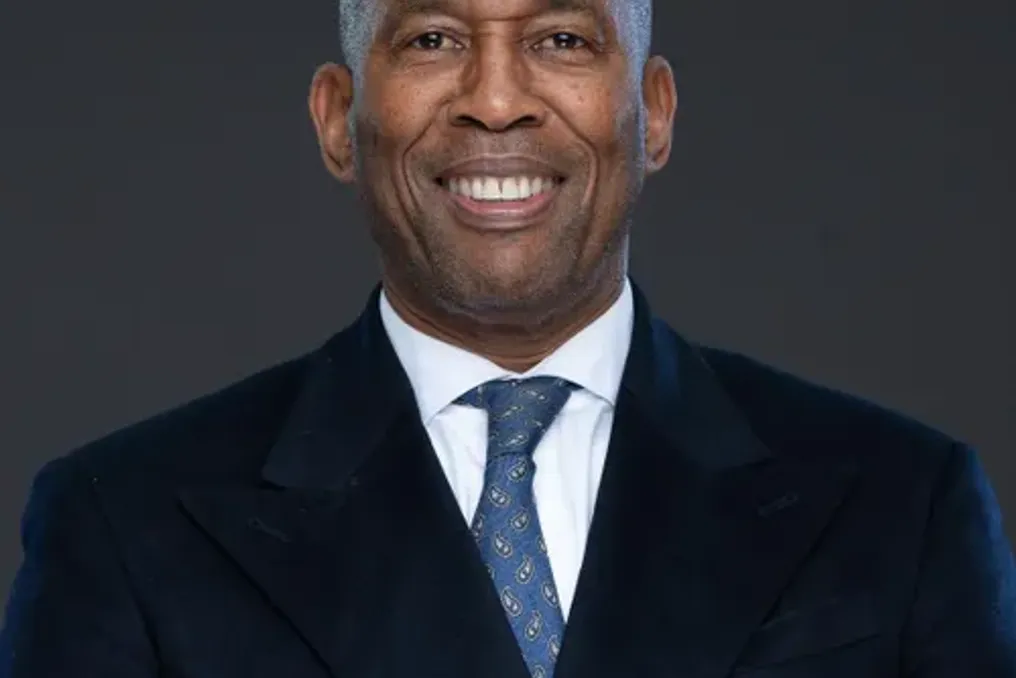
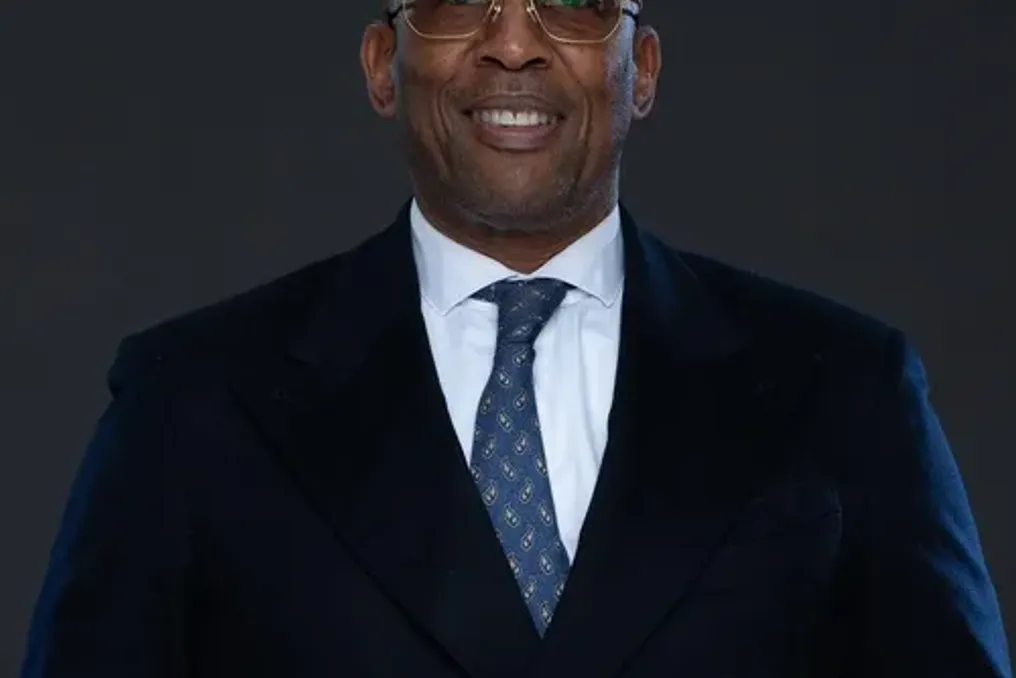
Moses Tembe transformed a humble beginning into a powerful entrepreneurial legacy in South Africa. Among the business leaders of South Africa, few have managed to create such a broad and enduring legacy as Tembe.
Business Development and Influence
Over more than three decades, he has established enterprises in sectors such as retail, real estate development, manufacturing, engineering, telecommunications, gambling, and tourism. Through this, he has become one of the most influential voices in KwaZulu-Natal, advocating for investment, industrialization, and partnership as the foundation for sustainable growth.
Early Life and Education
Tembe was born on May 28, 1961, in Lamontville and grew up in Umlazi. He absorbed the value of entrepreneurship from an early age. As a child, he sold vegetables to local residents with his brother Bongani Tembe, who later became a leading figure in the South African arts scene and CEO of the Mzansi National Philharmonic Orchestra. These early morning and evening hours introduced him to customers, the negotiation process, and the discipline required to earn a living.
Education was another crucial step in his journey. While working full-time, he earned a Bachelor of Arts degree in Public Administration and Political Science from the University of South Africa. Later, he completed courses in finance and business management under the guidance of a Cape Town University professor, gaining the knowledge necessary to turn ambition into a sustainable enterprise.
Career and Expansion
His professional career began at the Umlazi Magistrate's Court in 1980, after which he joined the KwaZulu Development Corporation, where he advanced to the position of Chief Credit Controller. This role gave him valuable insight into finance, business development, and investment. However, Tembe realized early on that his future lay in entrepreneurship.
In 1990, Tembe left his formal job and began creating and managing several successful retail businesses in townships between 1990 and 1995, a period when few entrepreneurs were willing to invest in township economies. As South Africa entered its democratic era, he expanded his operations beyond the townships, venturing into Isipingo and Durban's central business district, gradually building his portfolio in retail and hospitality.
Among his most notable ventures in the early 90s was the creation of an extensive portfolio of hospitality businesses, including the Spur restaurant at the former Durban International Airport in 1994, which later moved to King Shaka International Airport in 2010. He also developed Spur franchises in the West Street, Westwood, Umlazi, and Bridge City shopping centers, as well as Hussar Grill and Beluga restaurants in Gateway Theatre of Shopping and several franchises in Ballito Eco Junction. Beyond retail, Tembe established himself as a respected property developer.
Real Estate and Industrial Investments
Between 1984 and 1994, he built luxury residential homes in township communities, challenging traditional investment models and demonstrating confidence in the township economy. In 1995, he co-founded Vulindlela Holdings, which partnered with a registered Malaysian company to acquire and develop the Port Waterfront area in Durban, contributing to one of the city's most significant urban regeneration projects.
Later, his property portfolio expanded to include the development of Richards Bay EcoJunction, investments through Arctic Sun in the Hilton area, and the Dunbar shopping center in Cato Ridge. These projects played a key role in stimulating investment, job creation, and economic activity in new communities.
As a visionary, Tembe increasingly focused on industrialization. He believed that South Africa's long-term prosperity depended on creating productive industries, not just consumption, so he invested in manufacturing, engineering, and infrastructure enterprises, strengthening local industrial potential.
Among these investments are Geochem, a specialized chemical manufacturing company in which he is a co-owner, which has transformed over the last two decades into one of the leading producers in its field in South Africa. His industrial interests extended to marine engineering through SAFREIGHT Holdings, which he co-founded with the late Don Mkhwanazi in 1996, establishing a thriving shipbuilding industry in Durban specializing in tugboat construction for Transnet.
He also co-founded SAFRAIL, becoming a significant player in South Africa's rail sector, and SAFCAB in partnership with France Telecom, which secured service agreements with numerous telecommunication operators supporting the SEACOM undersea cable, thereby strengthening regional connectivity and supporting the growth of Africa's digital economy.
His engineering investments continued with the acquisition of Elgin Brown & Hamer alongside Dr. Diliza Mjiji. Together, they developed the first floating ship repair base in Sub-Saharan Africa and created one of Namibia's largest engineering companies, expanding their presence beyond South Africa's borders.
Tourism and Corporate Leadership
Tembe's influence is also felt in South Africa's gambling, tourism, and leisure industries. As one of the founders of Tsogo Sun KwaZulu-Natal, he was part of the leadership team that helped realize the Suncoast Casino and Entertainment World project, transforming the economy and tourism offering of the Durban coast. He later served as Vice President of Gold Circle, chaired Phumelela Gaming and Leisure, which owned the SuperBets brand at the time, and today he is also the Chairman of Sizekhaya Holdings.
Alongside his entrepreneurial achievements, Tembe has become one of South Africa's respected corporate leaders. He served on the board of Mr Price Group and as a director of Santova Limited, and currently leads Tinley Leisure Limited, a company that developed the first beach resort and signed a management contract with the internationally recognized Club Med as part of major tourism projects along the KwaZulu-Natal coast. Throughout his career, Tembe has been a passionate advocate for organized business and economic cooperation.
Public Service and Beliefs
He served as the Secretary-General of the National African Federation of Chambers of Commerce and Industry of KwaZulu-Natal from 1990 to 1994, and was later elected President of the Durban Chamber of Commerce in 2007. He subsequently became Vice-Chairman of the KwaZulu-Natal National Business Initiative and a member of the South African Chamber of Commerce board. Currently, he serves as Co-Chairperson of the KwaZulu-Natal Growth Coalition and a business consultant at the KwaZulu-Natal Economic Council, working with government, labor, and civil society to promote investment, policy certainty, and inclusive economic growth.
Outside of business, Tembe is a deacon at Umhlanga Assemblies of God, where his Christian faith continues to shape his values and leadership philosophy. Colleagues often describe him as a principled leader guided by resilience and a deep commitment to serving business, community, and God. The story of Moses Tembe is a testament to what faith, purpose, and perseverance can achieve. From modest beginnings in Lamontville and Umlazi, he has become one of South Africa's most influential entrepreneurs; his journey proves that where one starts in life does not determine how far one can go. More importantly, it shows that lasting enterprises, sustainable legacies, and significant impact are built on integrity, hard work, and an unwavering commitment to creating opportunities for others. More than three decades after his first steps in business, Tembe remains one of the foremost champions of entrepreneurship, economic development, and nation-building in South Africa, continuing to invest not only in business but in the future of the country itself.