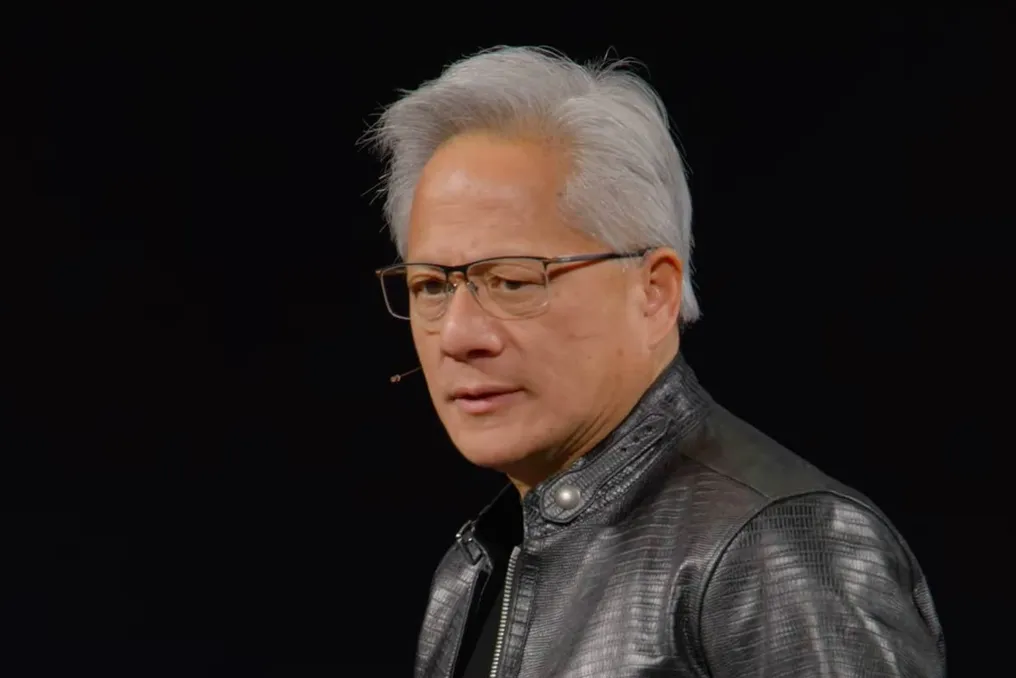
Kwak Noh-jung, CEO of SK Hynix, stated that the global memory industry is approaching its most severe supply shortage in history by 2027. He predicts that demand for memory will outpace the company's production capacity for the next decade, despite active capacity expansion.
Popular
Demand and Supply Forecasts
During an interview on Friday, the day South Korean chip manufacturer began trading on Nasdaq in New York, Kwak noted that customer demand continues to rise while the company's capacity remains limited. He added that he expects demand to remain above production capabilities even after 2030, but the company is making every effort to resolve this issue.
Kwak's comments came after the impressive debut of the South Korean chip maker, which has become a key player in the AI supply chain due to its leadership in developing High Bandwidth Memory (HBM) used in Nvidia chipsets. SK Hynix shares rose by 13.3% to reach $168.85 on Nasdaq on Friday afternoon.
Investment Plans and Locations
Kwak also mentioned that the US remains one of several potential locations for future wafer production investments, although a final decision has not been made. The company will prioritize locations that can provide sufficient supplies of land, electricity, water, and skilled workers at competitive production costs. He specified that the US, Japan, and Southeast Asia are being considered, but no decisions have been made yet as the location offering the greatest business advantage is being evaluated.
In addition to international expansion, SK Hynix's main factories are located in Icheon, where the headquarters is, and Cheongju, with a large facility under construction in Yonin. Both SK Hynix and Samsung Electronics are participating in the South Korean government's plan to double the country's memory chip production capacity within five years. This plan includes investments of 400 trillion won ($266 billion) each in production facilities in the southwestern part of the country.
Global Market Trends
Despite the ambitious plans, some investors have expressed concerns that such large investments could expose the company to greater risk in the event of an economic downturn. In the US, the company is investing about $4 billion in building an advanced chip packaging plant in Indiana and $10 billion in creating an AI solutions development company to find new growth engines in AI.
Nevertheless, there are suggestions that the AI investment cycle is approaching a turning point, which has caused recent pressure on chip stocks. These concerns intensified after reports that Apple is looking to diversify part of its semiconductor supply chain, including Chinese suppliers, and Meta is considering commercializing excess AI computing power. However, industry leaders and analysts maintain that memory supply continues to lag behind demand.
Jensen Huang, CEO of Nvidia, stated last month that the memory shortage for AI will persist for several years due to high demand, emphasizing that SK Hynix will remain the largest memory supplier for the company. UBS also expects the global DRAM market to remain undersupplied until at least the second quarter of 2028. Bank of America maintains an optimistic view of the AI investment cycle, forecasting that global hyperscalers' capital expenditures will reach about $851 billion this year and $1.15 trillion next year, driven by strong cloud service orders, improved AI return on investment, and growing demand for computationally intensive AI applications.
The bank noted that approximately $244 billion attracted by leading hyperscalers this year mainly reflects balance sheet optimization rather than signs of financial stress, asserting that capital remains readily available to support further infrastructure investments. This optimistic forecast was reinforced on Thursday when Micron announced plans to invest over $250 billion in the US by 2035, increasing its initial plan of $200 billion, citing the sharp increase in demand for memory chips in the AI era and President Donald Trump's desire to strengthen domestic semiconductor production.
Financial Results and Stock Performance
Thanks to significant focus on HBM, SK Hynix has become one of the main beneficiaries of the AI boom. Operating profit reached a record 47 trillion won ($31 billion) in 2025, double that of the previous year, representing a recovery from an operating loss in 2023. The momentum continued into the current year; the April-June quarter is expected to be even more impressive, with LSEG SmartEstimate estimating operating profit at 65.5 trillion won.
The company's stock has also risen significantly. Although concerns about the sustainability of the AI stock rally led to an 18% drop in SK Hynix shares over the past two weeks, they have grown more than sevenfold over the last 12 months.