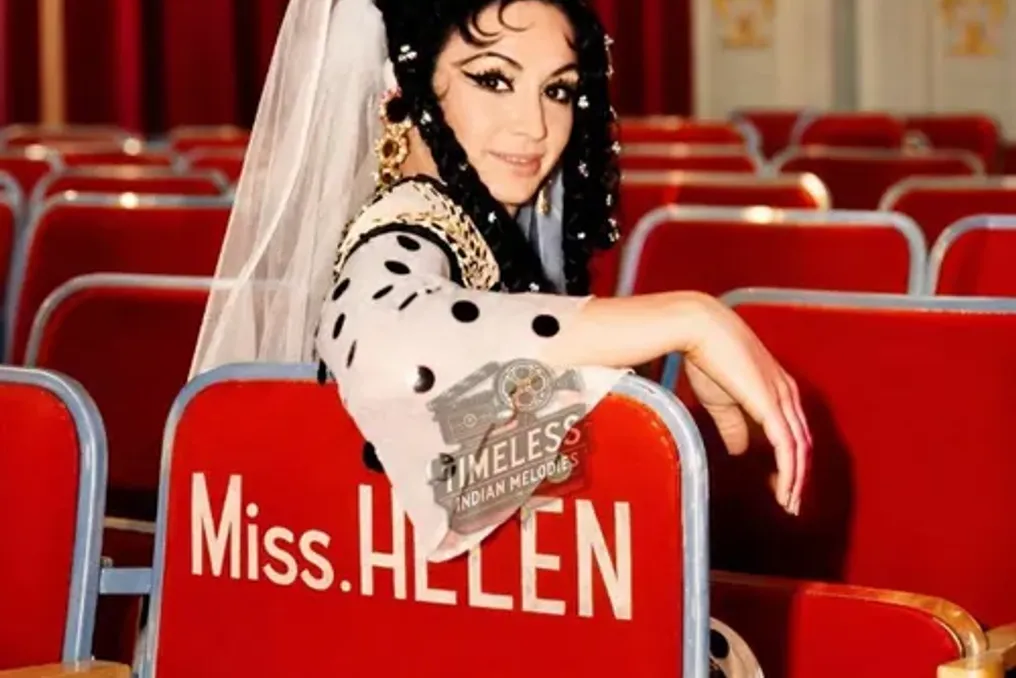
The 'vamp' archetype in Indian cinema, which existed before the 1990s, became outdated because traditional heroines could not perform scenes involving boldness, overt sexuality, or alcohol consumption. As social norms changed, the role of heroines also transformed: what was previously considered taboo now gained popularity as 'item numbers.'
Evolution of Female Characters in Cinema
The history of Indian cinema is often highlighted through the achievements of its heroes, but for decades, its structural engine was the stark contrast between the pure, selfless heroine and the dangerous, seductive vamp. These archetypes were significant both in the Mumbai clubs of the 1960s and in the bars of Chennai and Hyderabad in the 1980s.
Figures like Helen, Bindu, and Silk Smitha did more than just dance; they reflected societal anxieties regarding female autonomy, sexuality, and modernity. However, by the turn of the new millennium, this iconic cinematic image had almost vanished. The disappearance of the on-screen vamp in North and South Indian cinema was not due to a loss of audience interest in glamour, but rather structural changes.
Sexuality and Dance Numbers
The main stream of heroines began occupying the space, adopting the bold clothing, sensual dances, and casual sexuality that once belonged exclusively to the vamps. For a long time, Indian cinema operated under a rigid binary schema for depicting women. In Hindi cinema (Bollywood), the heroine represented an idealized image of a guardian of traditional family values, who should be modestly dressed in a sari, singing in gardens, and getting married. To create a contrast to this virtue, screenwriters invented the vamp.
Helen became the primary embodiment of this role in the North. Through her fluid, hypnotic movements in compositions like 'Piya Tu Ab To Aaja' and 'Mehbooba Mehbooba,' she brought Western, avant-garde sensuality to the screen. Due to her appearance, which combined features from different cultures, Richardson often played a foreign dancer, cabaret performer, or gangster's mistress, being narratively punished for her independence but visually celebrated.
Shortly after her debut, a competitor emerged—Bindu—who reinterpreted the vamp, making her a more calculating and domestic threat. In the role of Mona Darling in the film 'Zanjeer,' Bindu displayed deep décolletage and sipped whiskey, projecting a fierce, sophisticated autonomy that the traditional heroine could not yet afford.
Development of South Indian Cinema
Meanwhile, South Indian cinema developed its own rawer and visceral counter-narrative. By the late 1970s and 1980s, the softly spoken, family-oriented heroine found her opposite in Vijayalakshmi Vadlapati, known as Silk Smitha. Dominating the screens of Tamil, Telugu, Malayalam, and Kannada, Smitha became a cinematic phenomenon. Her alluring gaze and uncompromising posture made her a symbol of adult desire. The 'Silk item number' guaranteed box office success, attracting crowds hungry for her allure. Like her northern counterparts, Smitha's characters occupied a separate moral plane from the heroine.
Reasons for Industry Transformation
The decline of the specialized vamp began in the 1990s when economic liberalization swept across India, bringing with it global media, fashion, and changing social norms. The strict boundaries defining how a good woman should look and behave on screen began to blur. Mainstream heroines realized that sensuality was a powerful driver of stardom and stopped leaving glamour solely to the vamps.
A New Era in Bollywood and South India
In the North, superstars such as Urmila Matondkar in 'Rangeela' (1995) and Aishwarya Rai in 'Bunty Aur Babli' (2005) completely changed the rules of the game. Heroines began wearing Western clothes, performing high-energy, sensual dance numbers, and embracing a more explicit physical presence. What Zeenat Aman and Parveen Babi touched upon in the 1970s was considered radical, but by the late 1990s, it had become a standard requirement for the leading actress.
A similar transformation occurred in South India. Leading actresses like Jyothika, Simran, and later Nayanthara and Anushka Shetty took control of their on-screen image. The traditional, reserved village beauty did not disappear entirely, but she was often replaced by sleek, modern characters in fashionable, revealing attire who performed complex dance sequences. The visual markers of desire, previously the exclusive prerogative of Smitha or Disco Shanti, were seamlessly adopted by the very women whom audiences were meant to root for.
As heroines began exposing more skin and attracting audience attention with provocative choreography, the traditional narrative role of the vamp became superfluous. Why hire a separate actress for the role of a seductive antagonist if the lead heroine can provide the same visual delight while remaining the moral center of the story? This shift led to the emergence of the modern 'item number.' Instead of a narrative dance sequence from a permanent vamp, films began incorporating special, one-off appearances by top stars for a single, hyper-stylized track.
After Kareena Kapoor performed the song 'Yeh Mera Dil' (a direct adaptation of the iconic Richardson track) or Katrina Kaif starred in 'Chikni Chameli,' the vamp was officially institutionalized.
Conclusion on Paradigm Shift
In South India, megastars like Samantha Ruth Prabhu in 'Pushpa: The Rise' (with the track 'Oo Antava') proved that a mainstream lead actress could perform an extremely provocative dance number, break box office records, and receive massive critical acclaim without any moral caveats. The disappearance of the on-screen vamp represents a double-edged sword in the history of Indian cinema. On one hand, it is a liberating shift for the heroine, who is no longer locked in the sterile cage of enforced purity. Modern heroines can be complex, imperfect, deeply sensual, and overtly bold without losing audience sympathy.
On the other hand, the vanishing of the vamp marked the end of a unique sanctuary for subversive activity. Actresses like Richardson, Bindu, and Smitha created spaces of incredible power, financial independence, and dominance on screen within an extremely patriarchal industry. They embodied women who refused to be submissive. Although the modern heroine has successfully absorbed the aesthetic of the vamp's wardrobe and dance skills, the cinematic landscape has undoubtedly become less colorful without the dangerous and captivating presence of the classic screen sorceress.