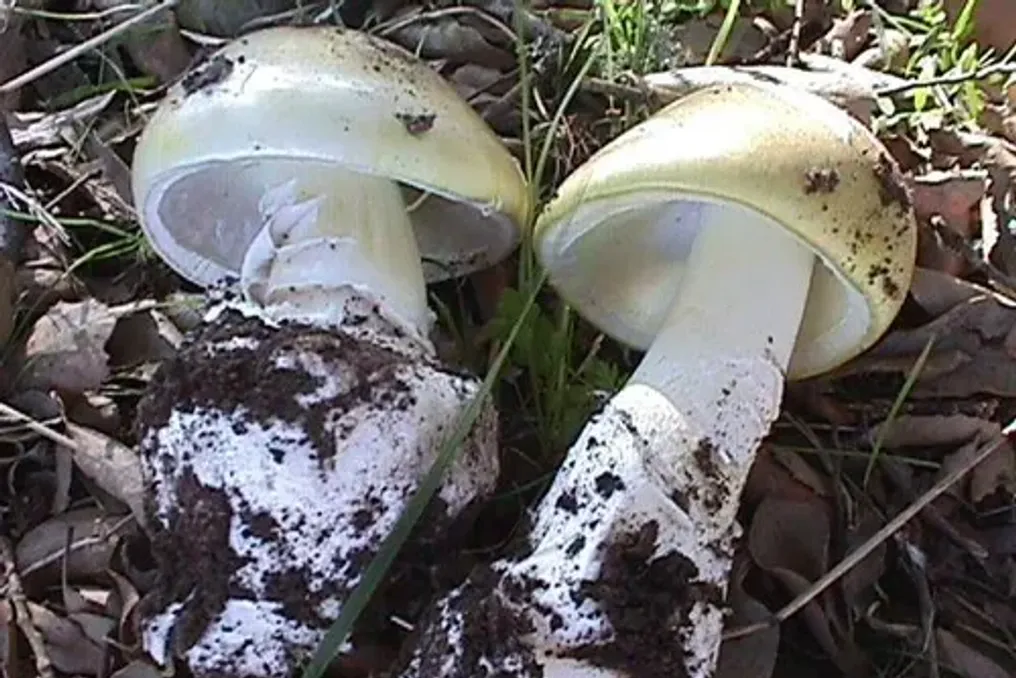
Health officials strongly urge residents to refrain from collecting and consuming wild mushrooms this winter following a sharp rise in fatal Death Cap poisoning cases in the Western Cape region.
Warning About Mushroom Toxicity
The Provincial Department of Health and Wellness has issued an urgent warning prohibiting the collection or consumption of any wild mushrooms amid a recent increase in confirmed Death Cap poisoning cases. Wild mushrooms are commonly found in gardens, parks, vineyards, and forests throughout the province. Experts emphasize that it is impossible to determine a mushroom's safety by its appearance, as some may look harmless or resemble edible species.
Increase in Poisoning Cases
This warning was prompted by five confirmed cases of Death Cap poisoning over the past two weeks in the Western Cape. This figure represents a significant increase compared to historical data, when the South African National Poisons Information Hotline recorded only one or two cases annually.
The highly toxic Death Cap mushroom (Amanita phalloides) was found in popular recreational areas, including the forests of Tokai, Cecilia, and Newlands. Karin Marx, Director of the Tigerberg Poison Information Centre, expressed deep concern over the rise in these cases.
Expert Safety Advice
Marx stated that there is no reliable home test to distinguish between edible and poisonous mushrooms, and even experienced foragers can make mistakes. Her advice is simple: do not collect or eat wild mushrooms unless they have been unequivocally identified by a recognized mycologist. Symptoms of poisoning usually appear six to twenty-four hours after ingestion and include severe vomiting, diarrhea, and abdominal pain. Although some people may seem to recover after initial discomfort, experts warn that this can be deceptive.
Without immediate medical intervention, the poisoning can rapidly lead to liver failure, kidney damage, and death. Marx strongly recommended that residents should not wait for symptoms to appear. She added that if someone has eaten a wild mushroom, they should seek medical attention immediately, even if the person appears healthy, as early treatment can save a life.
Risks to Children and Recommendations
Dr. Bradley Brown, Director of the Red Cross Hospital Poison Information Centre, noted that young children are particularly vulnerable as they often explore their surroundings, touching or tasting found objects. He advised parents and guardians to inspect areas where children play and remove wild mushrooms if possible, as a mushroom in a garden or park can pose a life threat.
The Department of Health and Wellness urges against consuming any wild-collected mushrooms and to seek immediate medical help if accidental ingestion is suspected. Anyone who believes they or someone else has eaten a wild mushroom must immediately visit the nearest medical facility or call the Western Cape Poisons Information Hotline at 086 155 5777.