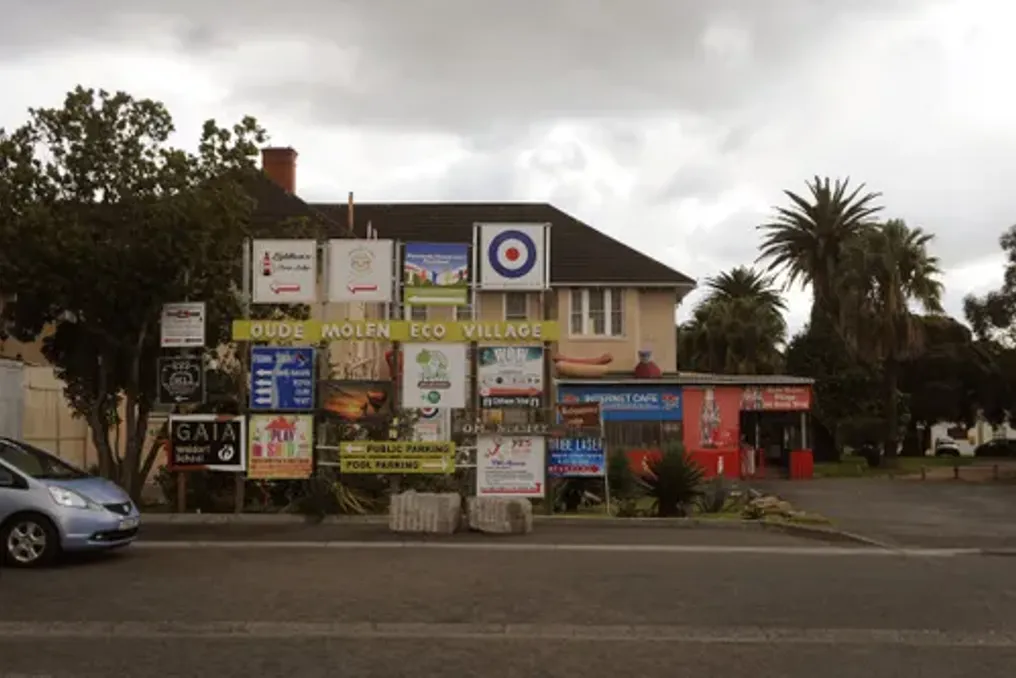
The decision by Heritage Western Cape to suspend the plans for the redevelopment of the Oude Molen eco-village is causing concern among local residents regarding the future of this thriving community.
Reason for Project Halt
Plans were underway to redevelop approximately 13 hectares of state land into a mixed-use complex that would include residential, commercial, and educational facilities in Oude Molen Eco Village in the Pinelands area. However, the project encountered obstacles after the Heritage Western Cape Appeals Committee rejected the provincial government's appeal against the refusal to conduct a Heritage Impact Assessment (HIA).
The Committee ruled that the assessment did not comply with the requirements of the National Heritage Resources Act (NHRA). Consequently, the appeal was dismissed, and the Appeals Committee's decision was upheld.
Heritage Assessment Requirements
According to a document provided to the Cape Argus, the Committee was required to determine the correctness of the decision regarding the HIA's compliance with Section 38(3) of the NHRA. The HIA needed to identify and assess all heritage resources, including the impact of the proposed development, consider alternatives, and propose appropriate mitigation measures.
In its conclusion, the Committee noted that the HIA failed to meet the NHRA requirements. Furthermore, living culture was not properly identified or assessed, and the cultural landscape was not adequately studied, leading to an incomplete assessment of impacts, alternatives, and mitigation measures.
Positions of Authorities and Developers
The Western Cape Government stated that it will follow legal and administrative procedures regarding this decision. The City of Cape Town confirmed the completion of the public participation period and is summarizing the feedback received to prepare a report that will then be submitted to the Municipal Planning Tribunal for a decision. The City clarified that developers will still require approval from Heritage Western Cape.
The proposal involves the construction of approximately 1,364 residential units, one-third of which are designated as affordable housing. Gregory Ontong, Chair of the Heritage Western Cape Appeals Committee, stated that the Committee cannot weigh the impact on heritage against the potential benefits of the proposed development.
Residents' Arguments
The Oude Molen Eco Village Tenants Association argues that Oude Molen is not vacant or underutilized land, but a thriving community that has existed for over 30 years. The association emphasized that the village already provides many public goods that the proposed development promises to create, including affordable housing, small businesses, and jobs.
Lawyer Rod Solomon, the association's chairperson, appealed to the City of Cape Town and the Municipal Planning Tribunal to reject the redevelopment application or demand its withdrawal/suspension until a full Heritage Impact Assessment compliant with the NHRA, including consideration of living heritage, is conducted. He also called for strict conditions to be imposed if future development is permitted, such as adherence to height and density according to the Area Plan, provision of public open space, and preservation of the existing community.
Next Steps
In response to the Heritage Western Cape's decision, the Western Cape Government's Department of Infrastructure insists that all requirements of Section 38 of the National Heritage Resources Act have been fully met. As securing the rights to develop this important property remains a priority, legislative procedures will continue in parallel, adhering to the relevant legal frameworks.
The City's Deputy Mayor, Eddie Andrews, explained that the Heritage Western Cape process is separate from the City's land use process. The City will assess the application according to Municipal planning by-laws, while Heritage Western Cape is responsible for heritage approvals, and the developer requires sign-off from both parties.