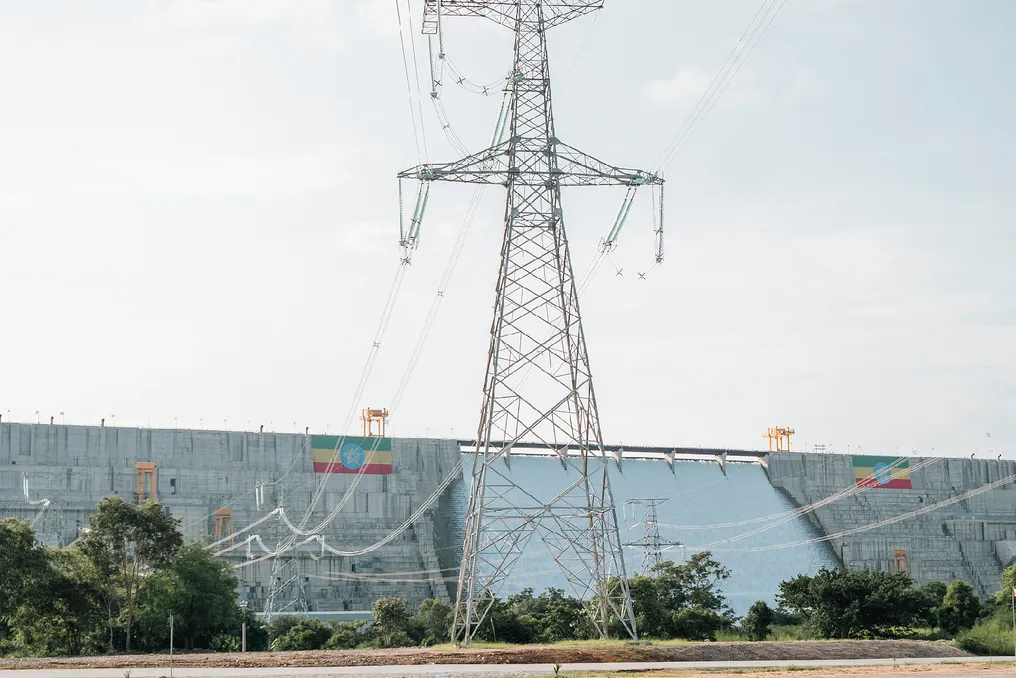
Despite South African businesses potentially overcoming the toughest periods of power outages (loadshedding), rising electricity tariffs and infrastructure risks are creating a new energy challenge for supply chains.
Shifting Focus in Supply Chain Management
As electricity tariffs increase and infrastructure risks persist, supply chain decisions continue to transform. For procurement and supply chain managers, the focus in 2026 has shifted from simply maintaining operations during power interruptions to managing the broader consequences of rising energy costs, grid failures, and long-term reliability issues.
Regulatory Changes and Dual Pressure
The South African National Energy Regulator (NERSA) approved an 8.76% increase in electricity tariffs for direct Eskom customers and a 9.01% increase for municipal customers for the 2026/27 financial year. This places additional pressure on businesses already facing increased operational and logistical costs.
According to Paul Vos, Regional Managing Director of the Chartered Institute of Procurement & Supply (CIPS) Southern Africa, the nature of energy risk has changed. He noted that energy uncertainty has not disappeared but has evolved. Today, organizations are increasingly encountering infrastructure failures, service backlogs, and localized grid outages, especially at the municipal level, which are often less predictable than the power cuts themselves. From a supply chain perspective, this unpredictability generates significant operational risks.
Impact on Suppliers and Industries
The effects of this pressure are felt across the entire supplier network, as companies face rising electricity costs alongside increased transportation and logistics expenses. According to Vos, this creates a 'dual price pressure': suppliers bear higher energy and logistics costs simultaneously. As a result, procurement teams are observing greater price volatility, more requests for contract adjustments, and increased budgetary pressure.
Energy-intensive sectors remain the most vulnerable, including manufacturing, food processing, cold chain logistics, mining, chemical industry, and water supply, due to their reliance on accessible and reliable energy. Although many manufacturers have tried to offset increased costs through efficiency improvements, there are limits to how much pressure companies can withstand before these costs spread throughout the economy. Vos continued to note a gradual rise in prices for various goods and services, and ultimately, a significant portion of the cost increases related to energy will be passed on to consumers.
Strategic Shift in Procurement
The changing energy landscape is forcing companies to rethink procurement strategies, placing greater emphasis on resilience rather than just cost. Businesses are increasingly diversifying suppliers, exploring regional sourcing opportunities, strengthening supplier relationships, and using scenario planning to prepare for potential disruptions.
Vos emphasized that procurement functions are transforming from transactional activities into a factor of ensuring sustainability. Energy risk is increasingly integrated into the supplier selection and sourcing process, alongside traditional evaluation criteria such as quality, delivery times, and price. Furthermore, renewable energy sources are becoming an integral part of business continuity planning as companies seek greater control over energy expenditures and supplies. Businesses are looking at options such as power purchase agreements, on-site solar generation, battery storage, and hybrid energy systems. For many organizations, the conversation about renewable energy has moved beyond being solely a sustainability initiative to becoming a strategy for business continuity and resilience.
Contract Management and Long-Term Planning
Contract management is also gaining importance in a more volatile environment. Vos believes that procurement agreements must reflect changing conditions using tools such as energy-linked escalation clauses, agreed threshold pricing, open-book accounting models, risk-sharing mechanisms, and structured review periods. The goal is to ensure a fair and transparent distribution of risks across the supply chain.
CIPS Southern Africa believes that in the future, companies need to view energy risk as a strategic issue requiring coordination between procurement, finance, and operations teams. Short-term measures include assessing energy exposure within supplier networks, identifying vulnerable categories, and strengthening engagement with suppliers. Long-term strategies will require incorporating energy aspects into sourcing decisions, supplier partnerships, and overall operational planning. Vos concluded that energy is no longer just a matter of building operation; it has become a core supply chain risk requiring coordinated leadership from procurement, finance, and operations. Companies that embed resilience into their supply chains will be better prepared to manage rising costs, protect operations, and adapt to South Africa's changing economic environment.