In connection with the illegal immigration crisis in South Africa, which involves the relocation of repatriated foreign nationals to the Old Drive-In site in Durban under heavy guard, the article's author argues that employers who exploited these unregistered migrants bear significant responsibility for the situation.
Social inequality and the lives of the poor
The discussion about illegal immigration initially revealed deep class divisions. A large part of the activism appears to be a struggle between the lower classes and those who criticize them from a position of comfort. Although many middle-class commentators condemn anti-immigration movements, they often ignore the reasons why many poor residents of South Africa feel more indignation about this issue.
For many low-income communities, the consequences of illegal immigration are not an abstract political discussion but an integral part of daily life. Years of poverty have already created complex conditions for them: children are forced to compete for limited spots in overcrowded public schools, and people queue before dawn at clinics and public hospitals hoping to receive medical care due to facility overload and lack of resources.
Living conditions and infrastructure
Many unregistered migrants settle in informal settlements where rent is lower. In some cases, temporary structures are illegally built on floodplains or abandoned private land, increasing safety risks and further straining the already fragile infrastructure. Illegal connections to the power grid lead to network overload, forcing municipalities to impose load restrictions to prevent transformer explosions. Poor sanitary conditions and insufficient hygiene facilities create serious public health threats that residents face daily.
It is easier to dismiss these frustrations when living in a suburb isolated from such realities and discussing migration over coffee and croissants at a local cafe. However, one must ask who has benefited most from illegal immigration.
Exploitation of cheap labor
For decades, many households, both Black and middle-class white, relied on unregistered migrants as cheap labor. Domestic workers, gardeners, and factory workers often received pay significantly below the legally established minimum wage. Some earned only around 1,500 rand per month, sending part of their earnings home through money transfer services like Mpesa. Their unregistered status made them vulnerable, preventing them from demanding better working conditions or higher wages for fear of deportation.
The irony became particularly evident when citizens from Malawi were discovered in Sherwood. Many self-proclaimed defenders of justice criticized activists opposing illegal immigration, yet they overlooked the unpleasant truth that many of these migrants worked in homes and businesses as low-paid laborers.
Consequences of abandoning workers
When authorities began moving unregistered migrants to the Durban Drive-In site to facilitate repatriation, the police warned that hiring or sheltering undocumented foreigners is illegal and can result in fines of up to 10,000 rand. Nevertheless, some employers refused to release workers because they continued to depend on their labor.
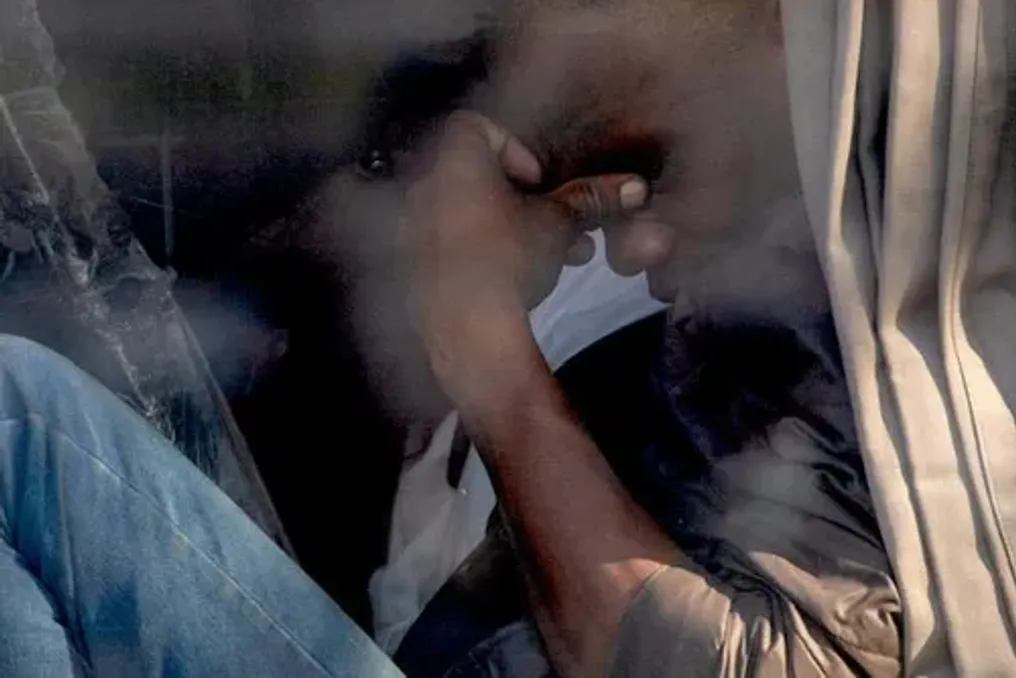
Perhaps the clearest example of this contradiction was the incident after the June 30th protest marches, when some employers, according to reports, drove to the now-disbanded Durban Drive-In repatriation center and left their domestic workers there in the middle of winter. After years of benefiting from their labor, they simply discarded them and left.
A call for accountability
These same employers easily condemn government failures while ignoring their own role in undermining labor legislation. Exploiting unregistered workers, underpaying domestic staff, and creating an illegal labor market are not harmless acts. They are offenses that perpetuate exploitation and depress wages for everyone.
Giving out blankets and soup bowls after years of using illegal hiring is not charity. It is a show of sympathy that does little to eliminate the exploitation that necessitated such gestures in the first place.
Debates on migration in South Africa will remain incomplete as long as the focus is solely on undocumented migrants or on government failures. Those who knowingly hire unregistered workers, ignore labor laws, and profit from exploitation must also be held accountable. They are not bystanders in this crisis; they are active participants.
If the country is serious about solving the illegal immigration problem, accountability must extend beyond borders. It must include employers who support the underground labor market while blaming others for the existence of this problem. Until this happens, the discussion will continue to overlook one of the most significant factors of the problem—the middle class.