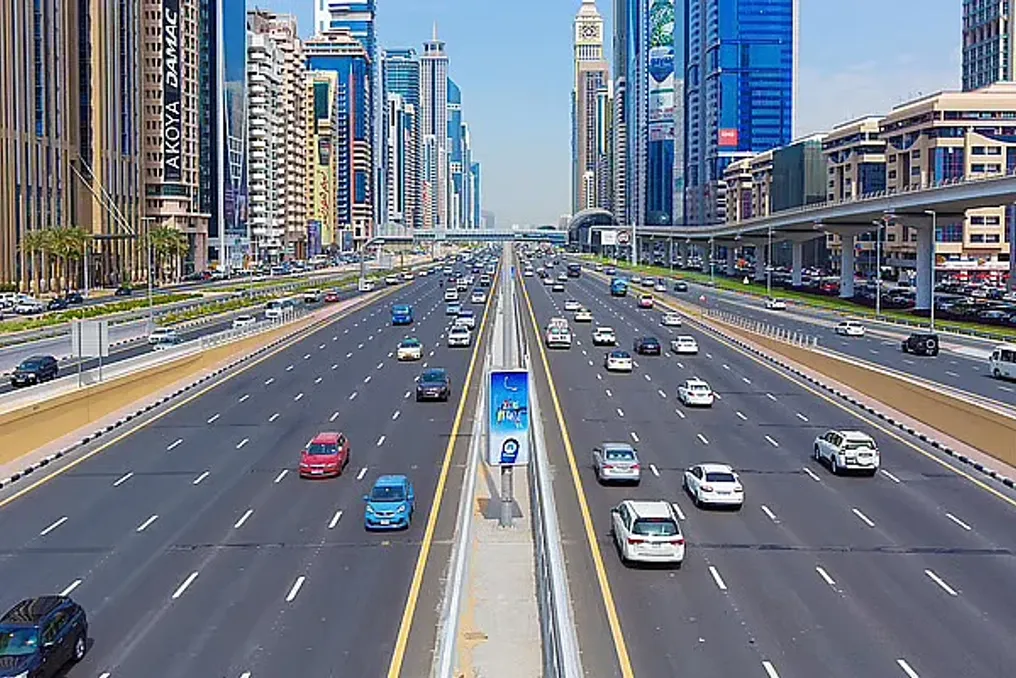
Experts suggest that the smoother traffic flow observed across the UAE during school holidays could potentially be maintained throughout the year after classes resume.
Experts suggest that the smoother traffic flow observed across the UAE during school holidays could potentially be maintained throughout the year after classes resume.
While the summer break naturally reduces school-related travel, transport and labor experts believe part of this improvement can be achieved by distributing demand. Measures such as staggered office hours, flexible start times, limiting remote work options, carpooling, and increased use of school buses can help reduce the concentration of vehicles during the busiest morning and evening hours.
Steve Burnell, CEO of STS Group, the largest private school bus operator in the UAE, noted a noticeable improvement in morning traffic flow every summer. He emphasized that while overall traffic volume decreases during holidays, it demonstrates an important lesson: congestion is often related not just to volume, but to timing. Burnell stated that distributing transport demand through flexible working hours and increasing the use of school buses will allow the existing road network to operate more efficiently without the need for new lanes.
The issue has become particularly relevant as residents report reduced travel times during holidays, especially on routes affected by school drop-offs, commutes, and inter-emirate travel.
Previous studies by the Dubai government showed that a two-hour window for flexible start times combined with four to five days of remote work per month can reduce peak hour commute times by 30 percent. These same studies also found that if 20 percent of employees work remotely, traffic volume on Sheikh Zayed Road and Al Khail Road can decrease by 9.8 and 8.4 percent, respectively.
Thomas Edelmann, founder and managing director of RoadSafetyUAE, believes that school trips contribute to rush hour congestion, but they are not the sole cause. He added that the impact of school runs is likely to be more noticeable in areas with a high concentration of educational institutions, although detailed comparative data was not immediately available. Edelmann also noted that flexible work measures can help maintain smoother driving, but additional steps are required.
He called for the implementation of practical changes, such as shifting office schedules, flexible start times, and expanding remote work capabilities. Furthermore, he advocated for measures to increase passenger numbers per vehicle through legal carpooling schemes and wider use of school buses. According to an RTA study, one school bus can replace up to 50 private cars on the road.
Burnell insists that private school transport should not be seen as a source of the problem, but rather as part of the solution. He argues that congestion around schools is caused equally by travel behavior and road capacity. He stressed that the UAE already has a highly regulated school transport network capable of safely and efficiently transporting a large number of children. The main task is to convince more parents who have a choice to use these services instead of driving their children individually. Burnell added that every extra child traveling by bus means one less private car contributing to rush hour congestion, while also reducing emissions and increasing safety near schools.
Earlier this year, Dubai began testing another model aimed at reducing the number of individual school trips. A shared school transport program, launched by the Roads and Transport Authority in collaboration with Yango Group and Urban Express, uses shared SUVs to transport students attending nearby schools and following similar neighborhood corridors. The pilot aims to reduce traffic, travel time, transportation costs, and carbon emissions. If successful, this model could be expanded to other communities or adapted for other types of shared rides.
Mahesh Shahdadpuri, chairman of TASC Outsourcing Group, stated that workplace flexibility has evolved from an employee benefit to a business strategy. Companies have actively invested in digital collaboration tools and performance evaluation systems in recent years, making it easier for some organizations to move away from rigid schedules. He believes that for many office roles, a two-hour start window is a realistic option that can improve employee well-being while simultaneously easing rush hour congestion.
Instead of a full return to fixed office schedules post-pandemic, many employers are adopting what Shahdadpuri calls 'structured flexibility.' Under this approach, employees are given greater autonomy while companies maintain clear requirements for collaboration, accountability, and team cohesion. For broader adoption of flexible scheduling, companies need clear policies, measurable performance indicators, supportive leadership, and technology that allows teams to interact effectively. He concluded that flexibility must be designed considering each organization's operational needs, and successful implementation depends on trust, clear communication, and a strong focus on results and accountability.
Professional services, technology, finance, consulting, and corporate functions are among the sectors best suited for implementing flexible schedules or remote work. Medicine, manufacturing, hospitality, retail, logistics, and other customer-facing industries are more dependent on physical employee presence. Nevertheless, even in these sectors, companies can shift shifts or offer greater scheduling flexibility without compromising services.
Employers' main concerns usually relate to productivity, oversight, collaboration, corporate culture, and ability to meet client expectations. Shahdadpuri noted that these difficulties often arise from unclear processes or outdated management methods, rather than from flexibility itself. He emphasized that organizations that define clear goals, invest in managerial capabilities, and equip teams with appropriate collaboration tools find that flexibility can coexist with high productivity.
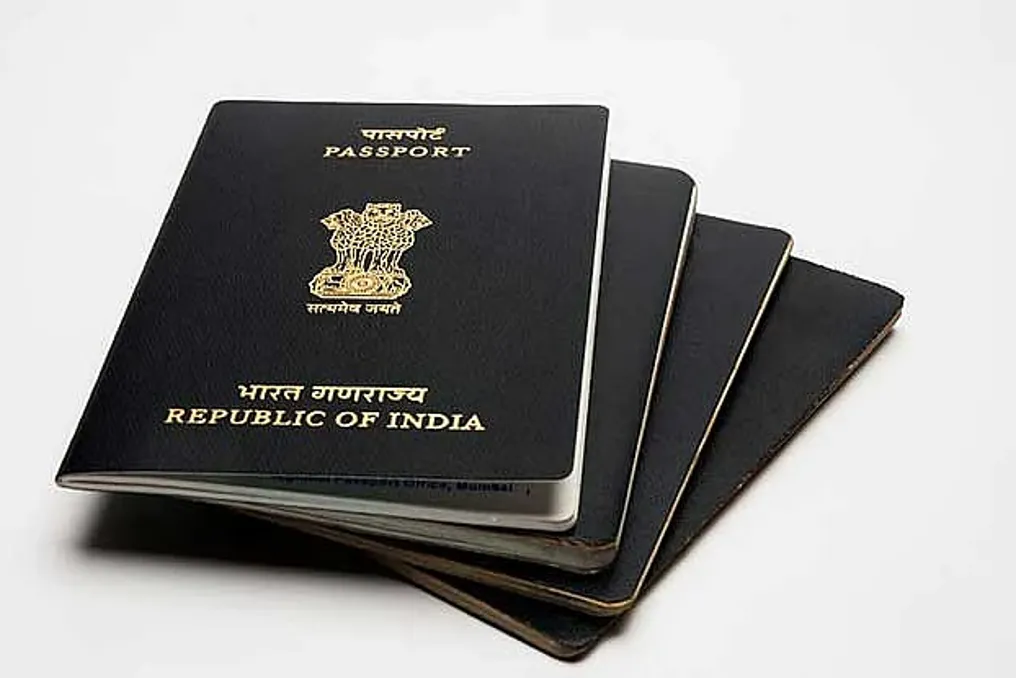
With the start of the summer tourist season, hundreds of expatriates from India are actively seeking passport renewals and other consular services. However, since July 1st, Indian consular services in the UAE have been unstable due to the expiration of contracts with previous service providers, a planned transition to a new provider, and ongoing litigation that has delayed the handover of affairs.
Starting July 1st, the Indian mission began providing a limited range of consular services at the Embassy in Abu Dhabi and the Indian Consulate General (CGI) in Dubai. Currently offered services include passport applications, visas, document legalization, and various other services.
Services are available from 9:00 AM to 12:30 PM from Monday to Saturday. Service is provided strictly on a 'first come, first served' basis, without prior appointment. To prevent crowding, only the applicant is allowed inside, although parents may accompany minor applicants.
Payments are accepted exclusively in cash, as bank transfer or card payment options are unavailable, and applicants are advised to have the exact amount, as change may not be provided. It should be noted that effective July 1st, fees for Indian passports across the UAE were revised for the first time since 2012. Under the new structure, standard processing for a new or renewed 36-page passport costs 450 dirhams, while the expedited 'Tatkaal' scheme is 900 dirhams. For a 60-page passport, the cost is 630 dirhams for a regular renewal and 1080 dirhams under the 'Tatkaal' scheme.
Despite over 1400 people queuing at the CGI on Friday, the consulate organized tents and a token system to ensure a smooth process, and also provides free snacks and tea to waiting individuals. A separate feeding area is provided for mothers with infants. Over 100 consulate staff members assist applicants to make the process as simple as possible.
Furthermore, the mission announced that special document legalization services will be provided at the CGI in the Indian Association Sharjah on July 4th and 5th from 9:00 AM to 2:00 PM, and at the Indian Social Club Fujairah starting July 5th from 10:00 AM to 2:00 PM. Applicants must bring all required documents for legalization.
Earlier this year, the Embassy of India in Abu Dhabi announced the replacement of current providers. The new contract was awarded to Alhind Tours & Travels LLC, which offered the lowest financial bid in the tender. Two unsuccessful tender participants challenged the procedure in the Delhi High Court, claiming they were disqualified during the technical evaluation stage without proper grounds. While court hearings continue, the transition to Alhind is frozen.
The legal dispute continues, but a quick resolution is expected. Meanwhile, Alhind reported that it has completed all operational preparations and opened 16 Indian Centres for Application Collection (ICACs) across all seven emirates. The company apologized for any inconvenience caused and strongly urges applicants to monitor the official embassy websites for updates. These new centers are located in Al Dana, Al Reem, Musaffah, Al Ain, Ghayat, Madinat Zayed, Bur Dubai, Dubai Investment Park (DIP), Al Majaz, Rolla, Ajdan, Fujairah, Umm Al Quwain, Khorfakkan, Kalba, and Ras Al Khaimah.
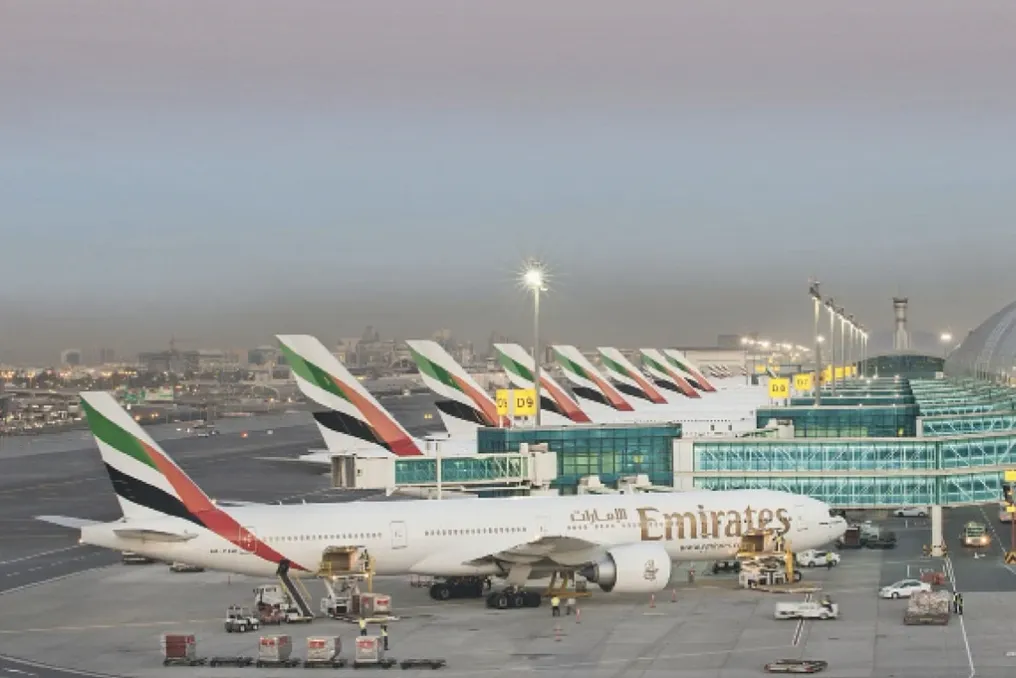
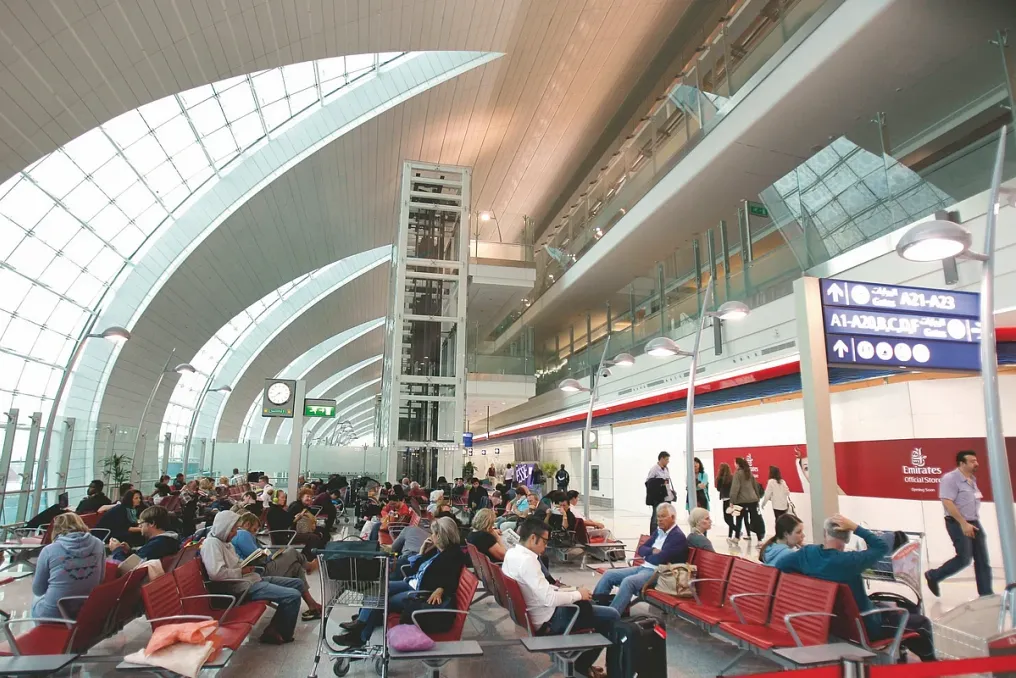
Dubai International Airport (DXB) is preparing for an active start to the summer season, as approximately three million guests are expected to pass through its terminals in the first half of July. The summer influx is anticipated to begin with a sharp increase in departures on July 2nd, as most educational institutions close for summer holidays on July 3rd.
July 12th is forecast to be the busiest day, expecting over 225,000 travelers. Furthermore, daily traffic during the two-week period is expected to consistently exceed the 200,000 mark. Transit traffic is projected to account for about 50 percent of the total passengers, strengthening Dubai's position as one of the world's most connected aviation hubs.
Dubai Airports, in collaboration with its partners at oneDXB, has activated its readiness plan for the summer to ensure smooth, safe, and timely journeys for all travelers. Guests are advised to arrive no earlier than three hours before departure and to use online check-in whenever possible. Emirates passengers can also utilize self-check-in options at the airport, in the city, and onboard.
Families with children over 12 years old can use smart turnstiles for quick passport control. Additional support is provided for people with disabilities, including dedicated accessibility routes, trained staff assisting guests with yellow ribbons, and a designated travel assistance lounge in Terminal 2. Travelers are reminded that spare batteries and power banks must only be carried in carry-on luggage. Last year, additional restrictions were introduced on carrying power banks to ensure passenger safety following a series of international incidents involving the combustion of these devices. It is also advised to monitor current travel rules and necessary documentation for the destination. Flight and gate updates are available via the DXB Express Maps navigation platform, accessible by scanning a QR code.
In Concourse B of Terminal 3, departing and transit passengers can visit the 'I Heart DXB' interactive installation. By uploading selfies, travelers become part of a living mosaic portrait of Dubai in the colors of the UAE flag, next to a wall of handwritten messages. In 2025, DXB welcomed a record 95.2 million guests, marking the busiest year in its history and the highest annual international traffic ever recorded by any airport. Meanwhile, Dubai World Central - Al Maktoum International (DWC) reflects the city's vision for the future of aviation, with expansion plans announced in May 2024 involving a record investment of $35 billion. Over the next decade, DWC is set to handle 150 million passengers annually, subsequently increasing to 260 million passengers and 12 million tons of cargo.
As the summer tourism rush intensifies in the UAE, the traditional price advantage enjoyed by budget carriers is rapidly diminishing. Travelers booking last-minute tickets find that low-cost carriers often set fares comparable to, or sometimes even higher than, full-service airlines.
Travel experts attribute this shift to a combination of high seasonal demand, limited seat availability, and the implementation of advanced pricing systems that allow airlines to adjust ticket prices several times a day.
According to Bharat Aidasan, a partner at Pluto Travels, the price gap between Full Service Carriers (FSCs) and Low Cost Carriers (LCCs) typically narrows during peak demand periods due to high aircraft load factors and strong passenger flow.
Aidasan noted: 'During the peak summer season, the price difference between full-service and low-cost airlines often significantly decreases due to growing demand and limited seat availability.' He added that both airline models increasingly rely on complex dynamic pricing systems that continuously change fares based on forecasted demand, inventory levels, booking patterns, and competitor activity.
Industry specialists emphasize that airlines no longer operate on fixed pricing structures; costs fluctuate constantly depending on market conditions and consumer behavior. Last-minute bookings particularly contribute to the disappearance of the traditional advantage of budget airlines.
Aidasan explained that 'in the final weeks or days before departure, the lowest fare categories are usually sold out, especially in high season, leaving only more expensive inventory available.' He also believes that airlines understand that many last-minute travelers have limited flexibility and are willing to pay more.
He concluded that on popular routes, during school holidays, and throughout the summer, budget airlines can end up being more expensive than full-service carriers when only a small number of seats remain.
Fazil Firous, founder of Go Now Tourism in Dubai, stated that this phenomenon is becoming more common during peak periods. He explained that the main reason lies in high summer demand: 'Once the cheaper seats are sold out, the remaining tickets become more expensive, so the price difference between full-service and low-cost airlines becomes very small.'
Firous also noted that travelers delaying their booking often face significantly higher fares, regardless of the airline chosen. He provided examples where a low-cost carrier was more expensive than a full-service one due to limited availability and high demand.
Travel consultant Ipshita Sharma from SCN Travel & More compared the summer season to a major retail holiday in the aviation industry. She called summer the 'Christmas time for airlines,' noting that demand leads to rapid flight filling and activation of dynamic pricing. When demand is high, the difference between LCC and FSC disappears, as any airline knows someone will agree to take the last seat.
Sharma warned that those waiting until the last minute often find that the expected budget fare has vanished. She advised against delaying bookings, as 'your last-minute budget airline deal might suddenly cost more than a full-service airline ticket.' Furthermore, adding baggage or choosing a window seat can lead a traveler to question the 'budget' aspect of the trip.
Experts point out that airfares can change several times within a single day due to a combination of operational and commercial factors, including booking rates, demand forecasts, seat availability, competitor pricing, seasonal peaks, and general operating costs such as fuel and airport fees.
Aidasan added that airlines are increasingly using artificial intelligence and predictive analytics to manage price volatility and maximize revenue. He explained that companies manage this instability using advanced revenue management systems powered by AI and predictive analytics.
Sharma compared airline pricing systems to financial markets, where prices react instantly to changing conditions. She observed that aviation pricing is similar to the stock market but with better visibility, as every booking, cancellation, competitor fare, and remaining seat can affect the price. She advises not to be surprised if the price changes when checking a flight in the morning versus in the afternoon.
Given that demand is expected to remain high throughout the summer vacation period, travel experts recommend that passengers book tickets as early as possible, cautioning against expecting last-minute discounts.