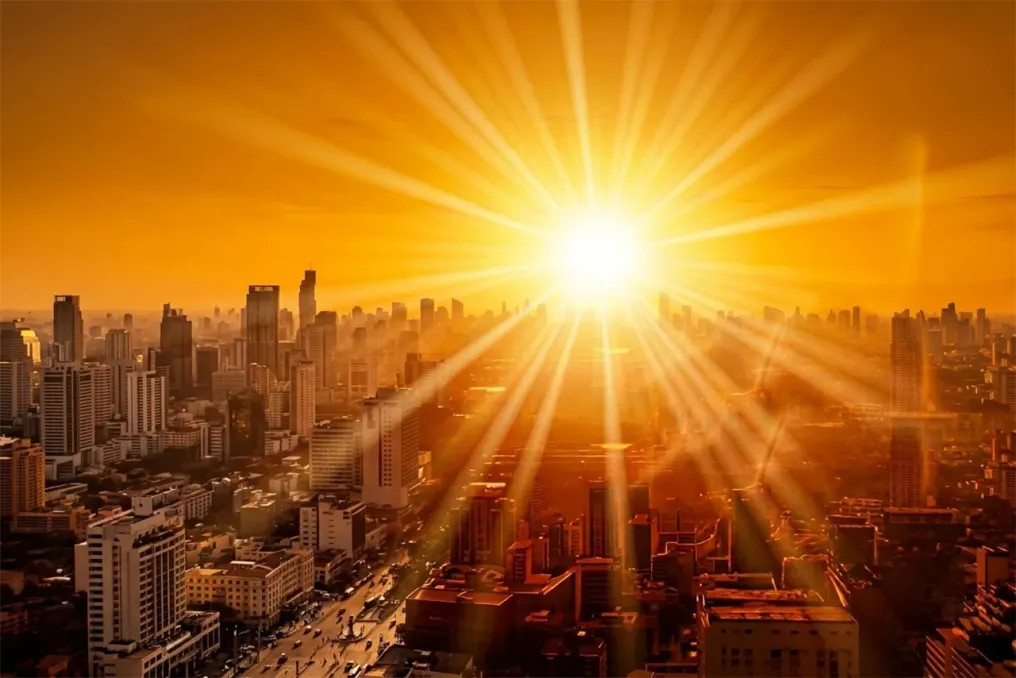
Abnormally high temperatures are expected in Uzbekistan next week. Such conditions significantly increase the risk of heatstroke, dehydration, and exacerbation of chronic diseases. Furthermore, due to air conditioners running at full capacity, there is a possibility of overloading power grids and temporary power outages. Below are recommendations to minimize health risks in hot weather.
Similar stories
Popular
General Rules for Everyone
In hot weather, an adult needs to consume 2.5–3 liters of water daily, and even more if engaged in physical labor. The best drinks are plain room-temperature water and green tea, which are traditionally consumed in Uzbekistan and help the body cope with the heat. Sweet carbonated drinks, strong coffee, and alcohol should be avoided as they worsen dehydration. It is also not recommended to consume ice-cold drinks, as sudden temperature shock can cause vascular spasms and sore throat.
Sun Protection and Nutrition
The most dangerous time is considered to be from 11 am to 5 pm, so all errands, such as visiting a bazaar, clinic, or paying bills, should be planned for early morning or evening. Clothing should be loose, light-colored, made of cotton or linen, and a head covering—a doppi, Panama hat, or scarf—must be used. Sunglasses should be worn, and sunscreen with an SPF of no less than 30 should be applied to exposed skin areas.
It is recommended to eat smaller, more frequent meals, favoring vegetables, fruits, and fermented dairy products. Heavy, fatty dishes, such as pilaf or shashlik, are better left for the evening or until the heat subsides. Special caution should be taken with perishable foods: mayonnaise-based salads, dairy products, and meat spoil within a few hours in such heat. It is important to wash fruits and vegetables thoroughly, as the risk of intestinal infections increases in the summer.
High-Risk Groups and Precautions
The elderly, children, pregnant women, and individuals with cardiovascular diseases, diabetes, or hypertension suffer the most from extreme heat. It is necessary to call elderly relatives and neighbors at least once a day. People taking regular medication should consult a doctor in advance, as some drugs require dosage adjustment in hot weather. It is strictly forbidden to leave children or animals in a parked car, even for five minutes, because the car interior heats up to 60–70 °C in the sun in just 10–15 minutes.
Tips for Staying Indoors
To reduce indoor heating, windows should be kept closed, and curtains or blinds should be drawn from morning till evening, especially on the sunny side. Ventilation should be done at night and early in the morning when the temperature is lower. Windows facing the sun can be covered with reflective film or foil, which noticeably reduces apartment heating. The air conditioner should be set to 24–26 °C, not the minimum setting. A difference of more than 8–10 degrees compared to the outside temperature puts excessive strain on the heart and blood vessels, while a moderate setting reduces the load on the power grid, which is important for the entire area. Cold air should not be directed directly onto oneself, and one should not sleep under it.
If there is no air conditioner, a fan, damp sheets or towels hung around the room, as well as several cool (not icy) showers a day and wiping the neck, wrists, and face with a damp towel, will help. Unused appliances should be unplugged, as stoves, ovens, and irons emit heat; cooking should preferably be done in the morning. Also, ensure that pets have constant access to water and a cool place to rest.
Recommendations for Work
For those who work outdoors (construction workers, road workers, farmers, couriers), it is recommended to move heavy physical labor to the early morning (before 10–11 am) and evening (after 5–6 pm). Breaks in the shade should be taken every 45–60 minutes, more often during peak heat hours. Working alone in extreme heat is dangerous, so another person capable of noticing the first signs of overheating should be nearby. Take water with you and drink small portions every 15–20 minutes, without waiting until you feel thirsty. You can wet your hat and the back of your neck with water. Employers must adjust work schedules on such days, provide drinking water, and arrange shaded rest areas, which is a measure of workplace safety.
If working in an office or indoors, one should not sit directly under the air conditioner, as the transition from outdoor heat to cold airflow can trigger colds and muscle inflammation. Keep a bottle of water on the desk and drink regularly. When planning trips, try to minimize time spent in the sun; carry water with you in public transport during peak hours. If the workplace has a dress code, choose natural fabrics, avoiding heavy suits and synthetics on hot days. Drivers should ventilate the cabin before starting to drive, check the coolant level, and never leave aerosols, lighters, or electronics in a car parked in the sun. Fatigue and heat reduce concentration, so long trips are better started in the morning.
Preparation for Power Outages
Since the simultaneous operation of air conditioners creates maximum load on the grid, preparations should be made for possible temporary interruptions. It is recommended to charge phones and external batteries every evening to maintain communication. Stock up on drinking water—at least 3–4 liters per person per day, as pumps in apartment buildings may stop during an outage, cutting off water supply to upper floors. Freeze several bottles of water: during an outage, they will help keep the refrigerator cool longer, and afterward, they can be drunk. Open the refrigerator as rarely as possible: a closed freezer maintains temperature for 4–6 hours. During peak loads, avoid using the elevator to prevent being trapped in a stuffy cabin during a sudden outage. Keep a flashlight and, if available, a battery-powered fan handy. Without electricity, the best cooling methods will be damp cloth on the neck and wrists, a cool shower, or splashing water on oneself. On days when outages are expected, buy perishable goods in small quantities sufficient for one or two days.
Everyone can help reduce the risk of blackouts: do not set the air conditioner to the lowest temperature, turn off unused equipment, and avoid running washing machines and other energy-intensive equipment during peak hours.
Signs of Heatstroke and First Aid
Alarming symptoms include headache, dizziness, nausea, weakness, rapid heartbeat, skin redness, body temperature above 38–39 °C, and confusion. A particularly dangerous sign is the cessation of sweating in the heat, which indicates a failure of the body's thermoregulation. Before medical help arrives, the victim must be moved to the shade or a cool room, laid down with legs raised, and tight clothing loosened. The person needs to be cooled: apply damp towels to the forehead, neck, armpits, and groin, fan them, and, if possible, give a cool shower or wipe them down. If the person is conscious, give them water in small sips. If they lose consciousness, experience convulsions, or their temperature rises above 39 °C, call emergency services immediately at 103.
Following extremely hot weekend weather in Uzbekistan, a noticeable drop in temperature is expected, and the weather should become milder this week. According to forecasters, from June 29 to July 3, the daytime air temperature across most of the country will be 30-35 degrees, with a possible rise to 37 degrees in the south. In some areas of Karakalpakstan, Bukhara, Navoi, and Tashkent regions, short-term rain and thunderstorms are predicted. In Tashkent, a brief rain shower and thunderstorm are possible this afternoon at a temperature of 32-34 degrees. Wind speed will be 7-12 meters per second, with gusts up to 13-18 meters per second in places, and in some areas on June 29-30, gusts may reach 20-22 meters per second.