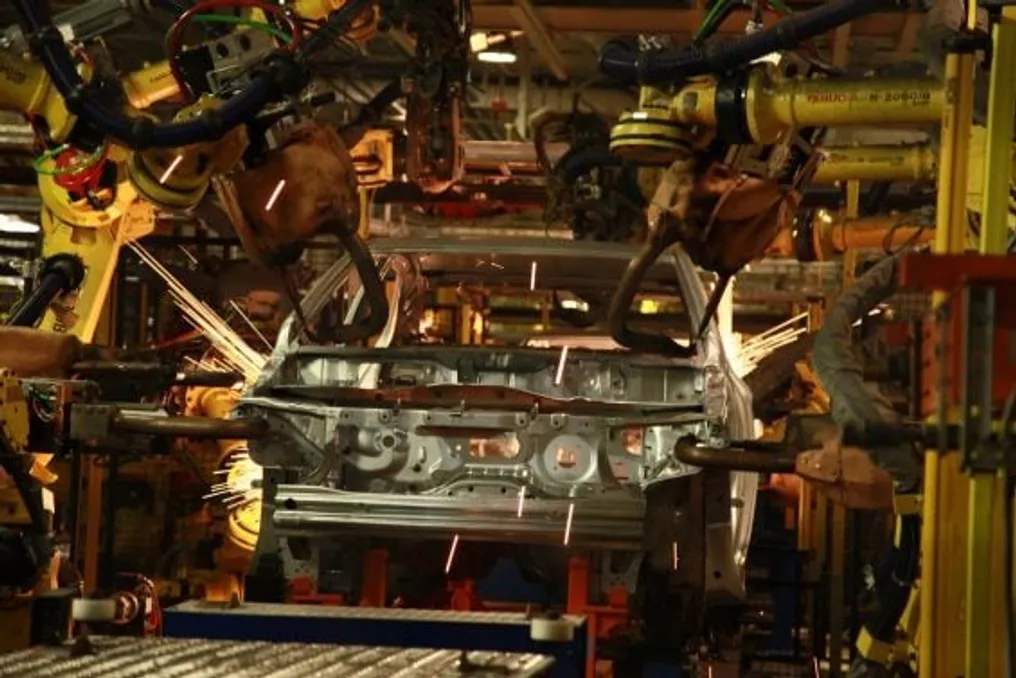
The entities representing manufacturers and distributors have raised their sales expectations for 2026, projecting that the sale of heavy vehicles, automobiles, and light commercial vehicles will once again exceed the 3 million unit mark.
The entities representing manufacturers and distributors have raised their sales expectations for 2026, projecting that the sale of heavy vehicles, automobiles, and light commercial vehicles will once again exceed the 3 million unit mark.
These projection revisions were significantly supported by the financial incentive programs offered by the Federal Government, such as Carro Sustentável and Move Brasil. Initially, Anfavea predicted a modest growth of 2.7% for light and heavy vehicles but adjusted this target to 12.1%, totaling 3.014 million units.
Fenabrave, which has a history of greater accuracy in its recent forecasts, had anticipated a 3% increase in 2026 but revised this month to a 7.9% advance, corresponding to 2.902 million units.
Despite the optimism presented, it is crucial to analyze the sustainability of these results. In 2012, the country registered the sale of 3.8 million units, but the numbers began to decline in the following year and fell over subsequent periods. Brazil still presents a relatively low motorization rate, with 4.6 inhabitants per vehicle, a proportion lower than that observed in Argentina and Mexico, which are around 3 per inhabitant, indicating growth potential.
In the previous year, the circulating fleet in Brazil exceeded 50 million vehicles for the first time. However, the production level, an essential factor for maintaining jobs, shows worrying signs. In the first half of this year, for example, there was an import of 63,000 units above the exported volume.
Anfavea chose not to resort to judicial action against the Gecex decision, which authorized the release of a quota of SKD and CKD units (semi or fully disassembled) without the proper tariff for six months, due to the long duration of the process. However, the entity plans to request future meetings in advance and space for the right to be heard.
Regarding the composition of accumulated sales of automobiles and light commercial vehicles in 2026, the percentage data shows: gasoline at 2.9%; diesel at 9.4%; electric at 6.7%; hybrid at 5.8%; plug-in hybrid at 5.6%; and flex at 69.7%. Although electric vehicles continue to rise, their share remains limited. Fenabrave statistics indicated only a 0.8% increase in electric vehicle sales in June compared to May, but in the first half of the year, this growth reached 196.2%, a figure distorted by still insufficient volumes.
Jeep will introduce the new Avenger model in a price range lower than the Renegade, complementing the production of the factory established by PSA 25 years ago. After the transfer of the Peugeot 208 and 2008 models to the industrial facilities in El Palomar, Greater Buenos Aires, at the end of 2023, the Fluminense unit was likely operating below its financial break-even point.
The compact SUV Avenger was displayed at an assembly line event in Porto Real, a city with 20,000 inhabitants, and its launch is expected soon, possibly by the end of August, without confirmation from Stellantis. A total investment of R$ 3 billion is planned until 2030 to modernize the industrial complex, which already has 13 suppliers. With the second phase of production, 800 employees were hired directly and another 450 in companies located in the factory area and surroundings.
This new SUV was launched in Europe in early 2023, with production in Poland, and received the Car of the Year title. It will receive an aesthetic update already integrated into the Brazilian model. There will be four versions available, all equipped with a 12-volt semi-hybrid system and should comply with the Carro Sustentável program. Jeep has not disclosed details about the powertrain, but there are indications that it will be the 1-liter turbo flex, with power redefined to 116 hp.
A technological feature highlighted by the brand is the voice assistant integrated with ChatGPT, in collaboration with OpenAI. Thus, the Avenger will expand internal interaction options. Hugo Domingues, Jeep's senior executive for South America, stated that the intention is to 'bring AI (Artificial Intelligence) into the occupants' routine, which will make the experience intuitive, connected, and aligned with new mobility demands.'
The controversial production projects for the Lecar 459 flex hybrids and the Campo pickup faced expected developments after the Federal Public Ministry initiated investigations into the Programmed Purchase scheme. The company owner, Flávio Assis, informed CNN Brasil Auto that he met approximately 90% of the customers who requested cancellation. However, he mentioned that the projects remain 'in partnership with Horse Powertrain and WEG', suggesting a mutual agreement rather than mere orders with prior guarantees. These two companies did not issue statements.
Nevertheless, Assis maintains high ambitions. He revealed to the portal that he closed the production of a five-seater compact electric hatchback of Chinese origin, without specifying the brand. He declared that, after contacting the ten largest manufacturers in China, he would be in Shanghai in September and, if everything goes well, would start sales from there. Previously, he had negotiated with Dongfeng without success.
Assis frankly admitted having heard from Dongfeng, which is in the process of starting sales in Brazil next month under the designation DFM, the rather undiplomatic phrase: 'If even your people don't believe in you, why should we? It was hard to hear, but it happened.' He reasoned that resisting adversity can be a positive aspect in negotiations. The new plan includes importing ready-made cars from China, followed by production from SKD (semi-disassembled) and CKD (completely disassembled) kits at the future factory in Sooretama, Espírito Santo. If everything materializes, the Capixaba unit could increase its national content for hybrid and electric models by 2030.