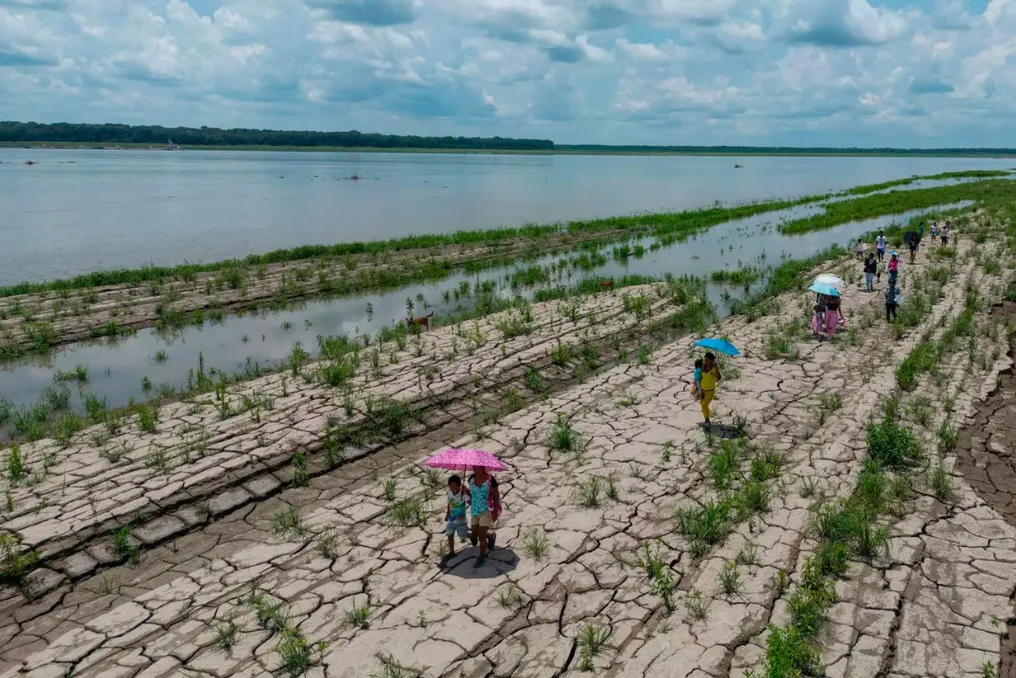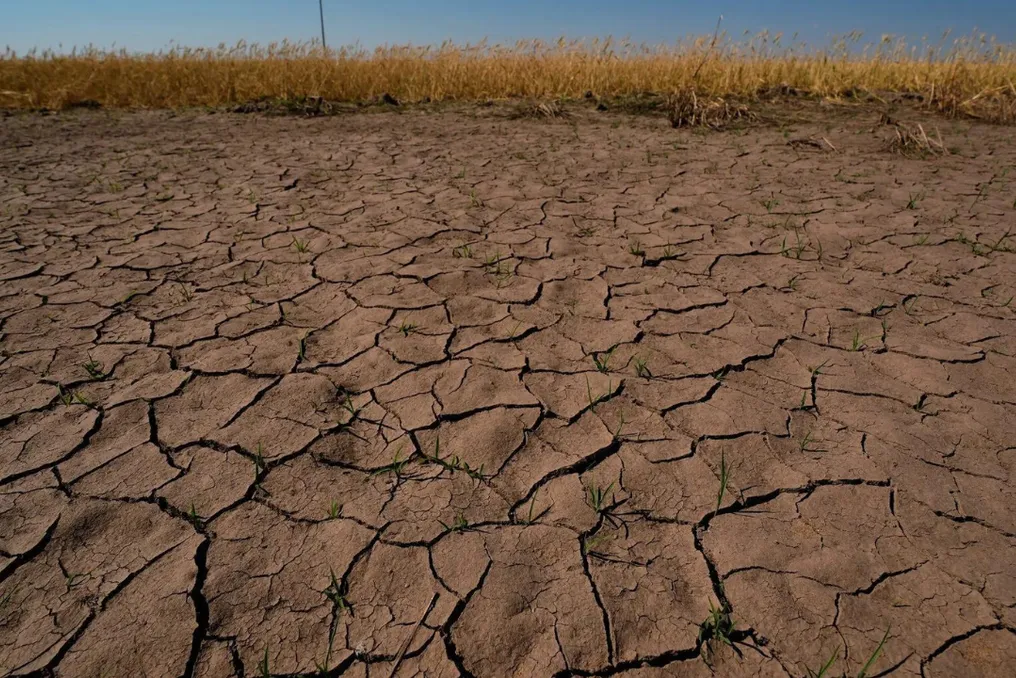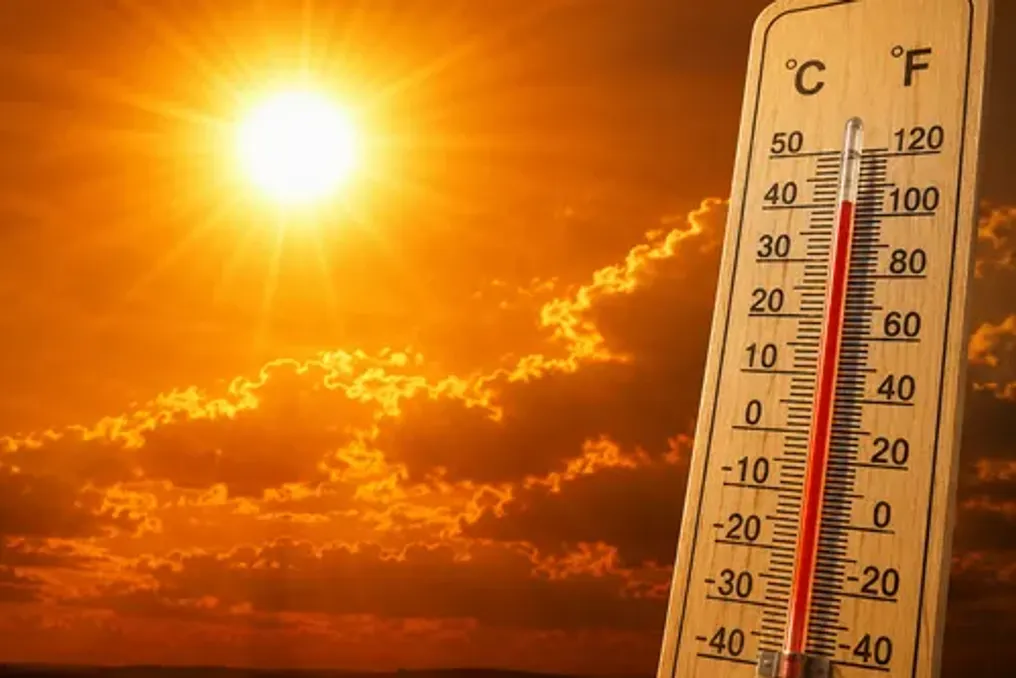
A powerful El Niño climate pattern is developing in the Pacific Ocean, which is forecast to influence weather in South Africa in the coming months. The World Meteorological Organization (WMO) reports a greater than 90% probability that this phenomenon will last until at least November, increasing the risk of extreme heat, drought, and wildfires in regions of South Africa where the rainy season occurs in summer.
Impact of El Niño on Climate
The El Niño climate pattern, thousands of kilometers away, is capable of influencing a wide range of phenomena—from rising temperatures and reduced water reserves to the threat of devastating wildfires. The WMO has confirmed the rapid onset of a strong El Niño event. Forecasts indicate a sea surface temperature increase of more than 2°C above average, which contributes to record global temperatures and increases the likelihood of extreme weather events, including severe heatwaves, harsh droughts, and heavy rainfall worldwide.
Meteorologists emphasize that understanding this phenomenon helps communities prepare for upcoming changes, even if most residents of South Africa only learn about it when drought warnings are issued. Lelo Kleinbuys from SA Weather Service (Saws) explained that El Niño is part of a natural climate cycle—the El Niño-Southern Oscillation (ENSO)—which occurs when sea surface temperatures in the equatorial Pacific Ocean exceed normal levels.
Regional Consequences for South Africa
Although El Niño originates in the tropical Pacific Ocean, its consequences are felt across different continents, including South Africa. In South Africa, this typically leads to warmer and drier conditions in summer rainfall areas such as Free State, North West, Gauteng, Mpumalanga, Limpopo, KwaZulu-Natal, and the eastern parts of the Eastern Cape. In winter areas, including parts of the Western and Eastern Cape, the impact varies significantly.
According to Kleinbuys, during this phase of the climate, rain-bearing systems cannot dominate the country's weather. This is often accompanied by less cloud cover and higher daytime temperatures over extended periods, which intensifies the frequency of heatwaves, the probability of temperatures exceeding 40°C, and the risk of uncontrolled fires. Furthermore, prolonged heat and dryness negatively affect water security and agriculture, as increased evaporation raises the probability of drought.
Agriculture and Optimism
Despite concerns about the impact of the weather phenomenon on farming and food prices in 2027, Vandile Sichlobo, Chief Economist of the Agricultural Business Association of South Africa (Agbiz), believes that several factors may mitigate the impact of this serious event on the agricultural sector. He objects to the public discussion focused on potential yield reductions due to drought and rising food inflation, asserting that South Africa is starting a new summer crop season in a stronger position than during past droughts.
In Sichlobo's view, the years of favorable La Niña rains have given farmers a significant advantage heading into the 2026/27 planting season. Prolonged rainy seasons have improved soil moisture and groundwater levels in many parts of the country, creating conditions for growing crops even with average rainfall during El Niño. He noted that when planting begins in October 2026, farmers will start the season with higher soil moisture than usual.
Sichlobo also pointed to the record grain production in South Africa as another reason for cautious optimism. Latest estimates from the Crop Assessment Committee show a record harvest of grains and oilseeds in 2025/26 amounting to 21.49 million tonnes, driven by expanded planting areas and high yields. Maize production alone is expected to be 17.25 million tonnes, significantly exceeding domestic consumption of about 12 million tonnes.
The economist acknowledged that the drought conditions associated with El Niño will create challenges and increase production costs for farmers, but the current situation differs significantly from previous drought cycles due to the country's improved starting position. He added that forecasts of rising food price inflation may overlook fundamental aspects of the season, such as improved soil moisture and existing grain reserves.
WMO Warnings and Call to Action
The WMO warned that El Niño conditions are developing under the influence of unusually warm waters in the tropical Pacific Ocean. The UN weather agency stated that this climate pattern will affect global temperatures and precipitation in the coming months, increasing the risk of extreme weather events. A greater than 90% probability of El Niño conditions persisting until November was noted.
The WMO reported that El Niño typically raises global temperatures and promotes more extreme weather conditions and changes in precipitation patterns. Forecasts also suggest above-average temperatures in most regions of the world between June and August. The UN agency urged governments and climate-sensitive sectors, such as agriculture, health, water management, and energy, to make timely decisions and preparations using the latest scientific recommendations.
UN Secretary-General António Guterres strongly urged countries to act before the full effects of El Niño manifest, stating: 'Science is clear: El Niño is arriving at our door in the coming months with 90% certainty.'