The author recalls a Friday evening in the early 90s when events were unfolding in different parts of the country that would later be adapted by Hollywood. At the time, during the Ranji tournament, there were many tragic moments. One such event was a match in Sharjah, where the Indian team lost, trailing the target score by 262, and was bowled out for 190 after the performance of Pakistani fast bowler Aqib Javed.
The Social Context of That Time
The author remembers returning home after visiting Gupta ji, a wealthy local resident who possessed a television and an inverter-battery system. In India at that time, wealth often meant the ability to isolate oneself from state structures such as schools, hospitals, and electricity supply. Gupta ji shared his television with children and adults in the colony, allowing them to watch programs, including India-Pakistan matches, without interruptions.
Emotional Response to Defeats
When Sachin was dismissed for a duck by Aqib's LBW, a general silence fell in the room. Gupta ji signaled the crowd to disperse, as waiting for electricity restoration could take two or three working days. People went home, disheartened. However, life went on: vendors served pani puri to customers, children argued over an extra snack, and auto-rickshaw drivers continued working, as if the Indian middle order had not caused the author deep sorrow.
Philosophical Reflection on the Hobby
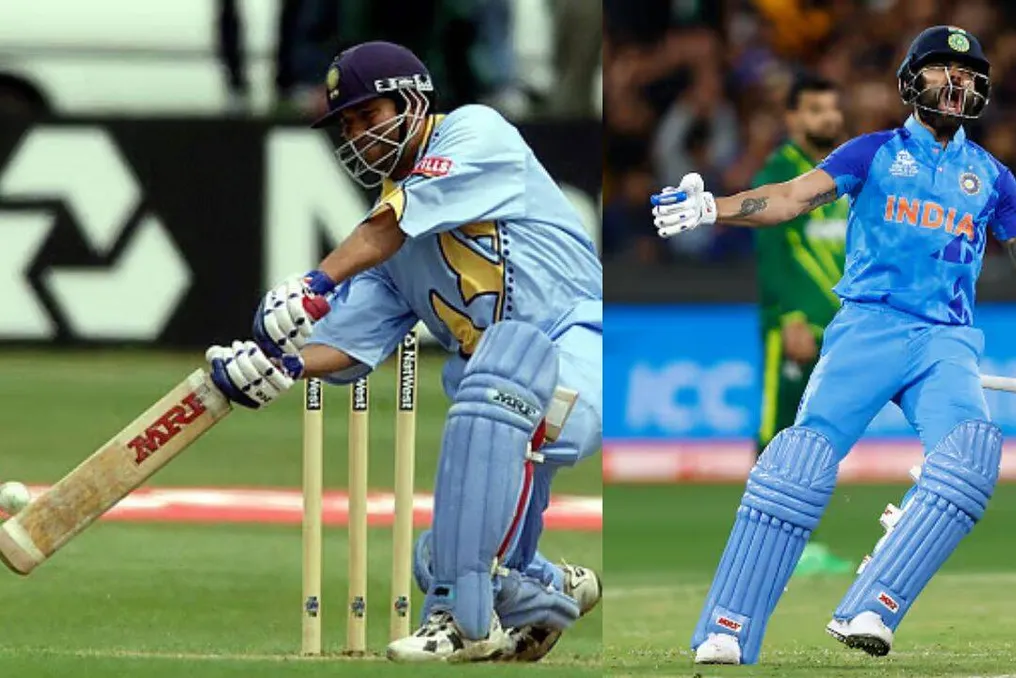
The author wondered if those around him had discovered the secret to a happier existence, perhaps simply by refusing to become emotionally attached to the performances of strangers. He realized he had only lost temporary experiences that held no meaning on Monday morning. But several years later, when Sachin hit a six over Michael Kasprovich at the same stadium in Sharjah, all philosophical musings ceased, and the spectators rejoiced once more.
Changing Attitude with Age
With age, emotional reactions become more restrained, as people begin to cherish their feelings instead of risking investing them. Although watching a match until super time on Sunday is possible, a team's defeat can negatively affect one's work the next day, leading to a more return-on-investment (ROI) oriented mindset. The author notes a special contract that cricket has with its fans: it demands disproportionately large emotional investments without providing any material gain, dividends, or loyalty points in return, leaving only memories.
Return to the Game
Despite repeated declarations of 'enough,' the return happens, for instance, when Kohli faces the fifth ball in Haris Rauf's over at the MCG, and the commentator calls it the 'emperor's shot,' sending shivers down the viewers' spines. Cricket remains not just a sport, but a kind of chronology by which people measure their own lives. Matches become bookmarks in a biography, reminding one of every period in life when they loved cricket, from sitting in Gupta ji's living room to becoming such a wealthy person themselves.