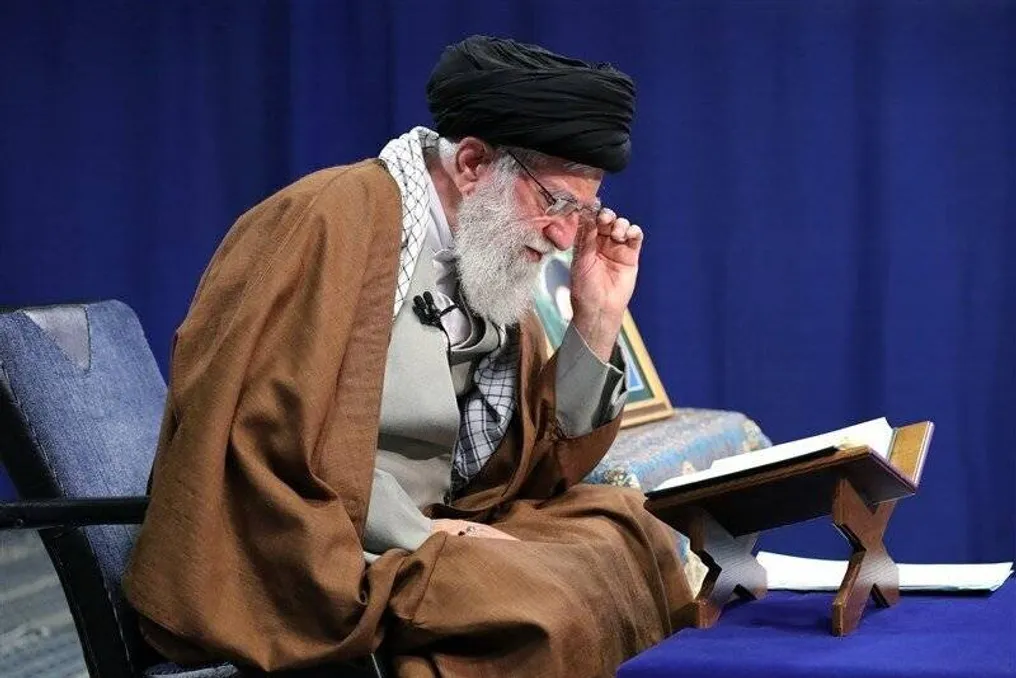
Over the past decade, the late Leader Ayatollah Sayyed Ali Khamenei dedicated particular attention to the concept of the 'Iranian-Islamic lifestyle' in his statements about the future of society.
Component Elements of Life
He repeatedly emphasized that family, work ethic, consumer habits, reading, adherence to laws, and a sense of responsibility are part of a unified system without which neither scientific nor economic progress can be achieved.
The concept of the 'Iranian-Islamic lifestyle' was first outlined by the Leader in the autumn of the Iranian year 1391 (the March period of 2012–2013) during an address to the residents of North Khorasan province. He stated that 'lifestyle is a key element of civilization,' and this phrase subsequently became one of many of his quoted remarks at various cultural and scientific events.
Areas Shaping Lifestyle
In his view, the fabric of life consists of social behavior, interaction within families, type of marriage, housing conditions, clothing, consumption patterns, diet, leisure, literacy and language, business practices, as well as behavior at work, in university, school, political activity, sports, and in the media.
The Leader believed that lifestyle is not just a set of ethical recommendations, but a way of building a developed society with a unique identity. In 2012, he divided development into two categories: the first concerned scientific, technological, economic, political, and military progress, and the second—the quality of people's lives and the ways they interact with each other.
The Importance of Morality and Family
Khamenei noted that a society that has achieved a high level of technological development but has failed to improve family relations, moral ethics, reliability, and adherence to the law has achieved no progress. In most of his speeches, he raised numerous questions about everyday aspects of lifestyle, focusing on how spouses treat each other, driving culture, work ethic, respect for others' rights, discipline, neighborly relations, consumption, and media consumption.
Family held special significance for the Leader, as he insisted that a healthy family serves as the foundation of a healthy society, and no other institution can replace the family in personality upbringing. He also emphasized mutual respect in marital relationships, honoring parents, proper child-rearing, and maintaining tranquility in the family, warning against threats to the family.
Marriage was also a frequent topic in his speeches. He urged youth to simplify wedding ceremonies, avoid social comparison, and reduce unnecessary spending, pointing out that complexity in marriage can have broad social and cultural implications.
Rational Use of Resources
The Leader repeatedly called on people to avoid wastefulness, stressing that consumerism and obsession with luxury items negatively affect household economies and deplete national resources. For him, saving means the rational, sensible, and responsible use of a divine gift, not depriving oneself of benefits. Saving extends not only to conserving energy, electricity, and water, but also to talents, time, human resources, and social opportunities.
Work and Social Ethics
Work culture, as a key component of lifestyle, was viewed not merely as a means of earning a living, but as a social responsibility and a religious value. In a society where work culture is institutionalized, economic, scientific, and social growth will accelerate. Another important part of his statements concerned social ethics. According to him, many social problems arise not from a lack of resources, but from inappropriate social behavior.
Among the main themes he repeated were respect for others' rights, honesty, justice, reliability, fulfillment of obligations, adherence to the law, and a sense of responsibility. The late leader addressed issues such as traffic rules, apartment etiquette, queuing, interaction with neighbors, the ability to hold good conversations, and abstaining from gossip as part of the ideal lifestyle.
Cultural Development Through Books and Media
In the Leader's view, books are one of the most important tools for cultural development. He always insisted on the need to increase the number of readers per capita and called for cultivating a love of reading in society, especially among young people. Highlighting the enormous potential of social networks, the Leader emphasized the importance of responsible use and media literacy, warning that improper use of social networks leads to wasted time, erosion of family principles, and the spread of cultural models incompatible with Iranian identity.