The World Cup has once again reached a familiar stage, with three European powers and one South American representative remaining in the quarter-finals. This highlights the dominance of two continents on the world's biggest football stage over many generations.
Semi-finalists lineup
England, France, and Spain will participate in the final quartet, representing Europe. Argentina, the reigning champion, is the sole South American representative to reach the semi-finals after dramatic victories in the quarter-finals against Norway and Switzerland, respectively.
Thus, all remaining contenders for the title come from two confederations that have won every World Cup since its inception in 1930. Despite the expanded 48-team tournament providing more competitive matches, the later stages have once again become a familiar zone of strength for European elites.
Team strengths
France continues to demonstrate squad depth, which has made it one of the most stable forces in international football over the last decade. The Spanish team, in turn, has shown a combination of technical skill and tactical maturity thanks to its young squad.
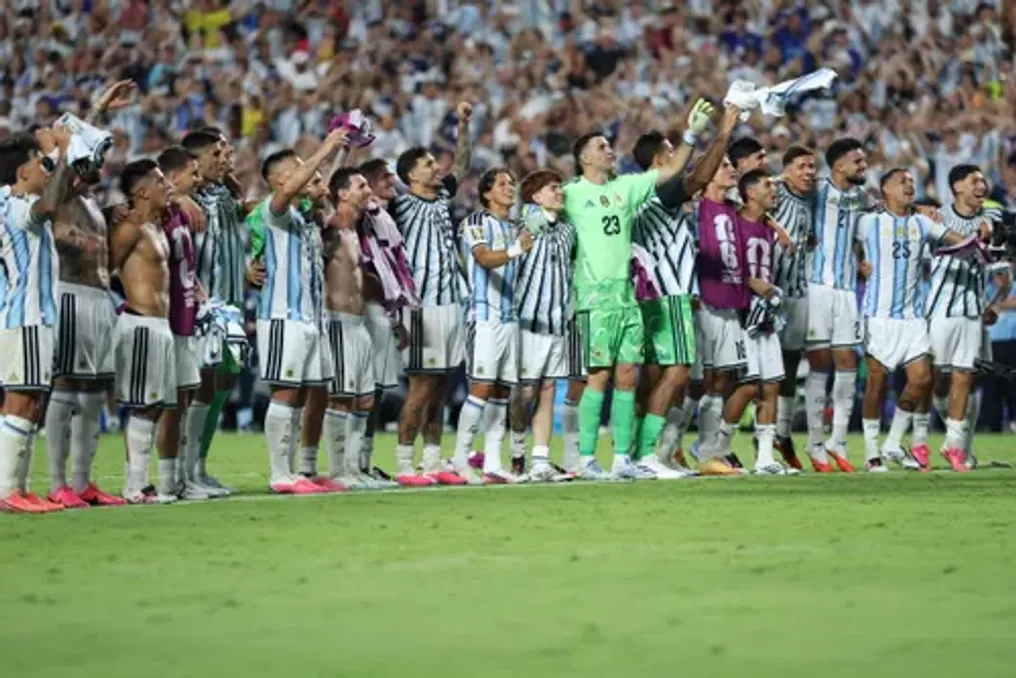
England showed both resilience and brilliance, overcoming difficult knockout matches to maintain hope of winning its first World Cup since 1966. Argentina, led by Lionel Messi and supported by an experienced and high-quality squad, has once again managed the pressure of the playoffs, remaining in the title race consecutively.
Overall progress in world football
The composition of the semi-finalists also gives insight into the progress in other regions. Africa held its strongest collective tournament, as nine out of ten participants reached the knockout stage. Asia and North America also made memorable moments during the tournament.
South Africa made history by reaching the playoffs for the first time, and Morocco once again proved its ability to compete with the best in the world. Furthermore, a number of developing nations have shown that the gap between them is gradually narrowing.
European dominance
However, when the pressure intensified and the margin narrowed, established European powers found a way to prevail once again. This consistency is based not only on individual talent. The continent continues to benefit from elite coaching structures, top domestic leagues, and players who feature weekly in the UEFA Champions League and leading European competitions. This experience often proves decisive when World Cup matches are decided by moments rather than sheer dominance.
The 2026 tournament undoubtedly demonstrated the growing competitiveness of world football. Smaller nations challenged traditional powers, underdogs advanced further than expected, and the expanded format brought fresh stories. Nevertheless, as the World Cup enters its decisive week, the familiar balance of power remains unchanged. Europe continues to set the standard, and if the rest of the world hopes to win the ultimate football prize, it will once again have to find a way to overcome the continent that continues to define success in this greatest game.