Dubai motorists may soon experience a significant reduction in travel time thanks to the creation of a major new road corridor. This project will decrease journey times between Umm Al Sheif Street and Emirates Road from 33 minutes to just 15 minutes, representing a 54 percent reduction.
Details of the Latifa bint Hamdan Corridor Project
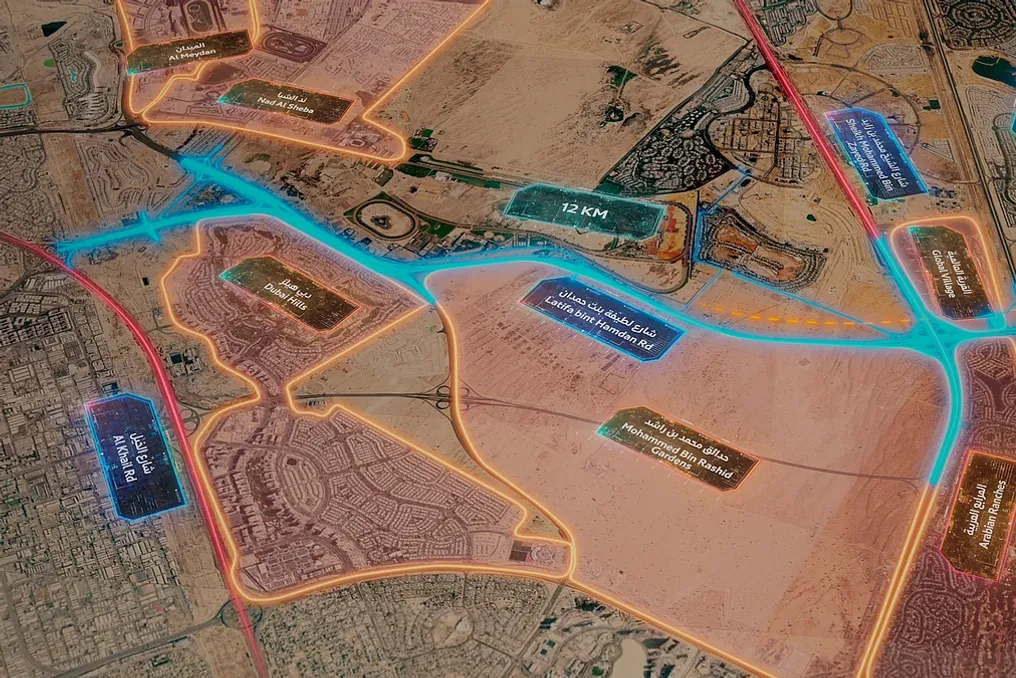
As part of efforts to expand the capacity of the road network and meet Dubai's rapid urban growth, the Roads and Transport Authority (RTA) has awarded a contract for the development of the Latifa bint Hamdan Corridor project worth 2 billion dirhams. This new strategic route, spanning 12 kilometers, will connect major thoroughfares such as Sheikh Zayed Road, Al Khail Road, Al Meydan Street, Sheikh Mohammed bin Zayed Road, Sheikh Zayed bin Hamdan Al Nahyan Street, and Emirates Road.
Planned Outcomes and Infrastructure
It is projected that upon completion by the end of 2028, the corridor will handle over 130,000 trips daily and serve approximately 650,000 residents and visitors. The project includes seven bridges totaling 2,300 meters and eight tunnels covering 900 meters, with a total capacity of about 16,000 vehicles per hour in both directions.
Strategic Importance for Dubai's Growth
Matar Al Tayer, CEO and Chairman of the RTA Executive Council, noted that this project reflects Dubai's long-term commitment to investing in infrastructure as a driver of economic growth and competitiveness. He emphasized that road development remains critical to supporting the emirate's rapid expansion and its sustainable development goals.
Al Tayer also highlighted Dubai's proactive approach to infrastructure development, which aims to implement major projects ahead of what growth might demand. This ensures the road network is ready for population settlement and economic expansion. He added that the authority continues to prioritize projects that improve mobility across various areas.
Reducing Load on Major Highways
The corridor is designed to alleviate pressure on some of Dubai's busiest roads, including Al Khail Road, Dubai-Al Ain Road, Umm Suqeim Street, and Sheikh Mohammed bin Zayed Road. According to Al Tayer, this arrangement will help distribute traffic flows more efficiently while supporting developing residential and commercial zones. The new corridor is also intended to serve projects by providing entry and exit points, thereby enhancing their economic attractiveness.
He concluded that the Latifa bint Hamdan Corridor is a new strategic pathway strengthening integration into the main road framework, providing advanced infrastructure for current and future urban needs, and improving connectivity between the eastern and western parts of the emirate.
Improving Connectivity and Cycling Infrastructure
The corridor will increase the capacity of Dubai's east-west road network by approximately 12 percent and improve connections between several existing and new communities, such as Nad Al Sheba, Al Barari, Dubai Hills, District One, Mohammed Bin Rashid Gardens, Living Legends, Majan, and Global Village. As part of the project, Latifa bint Hamdan Street will be expanded to four lanes in each direction, supported by a network of grade-separated interchanges, bridges, and ring roads. Furthermore, the new road will connect Al Khail Road with the extension of Latifa bint Hamdan Street.
The RTA also plans to develop sections of Al Meydan Street and construct a new interchange to improve access to neighboring projects. The project also includes the creation of 12.5 kilometers of cycling paths integrated into Dubai's existing network, forming a continuous route from Al Qudra to Jumeirah. In addition to reducing travel time, the authority stated that the corridor will enhance road safety through multi-level interchanges, improve connectivity between major road corridors, and support future urban development across the emirate.