Caroline Hanks is preparing to complete a challenging charity marathon over a distance of 192 kilometers to raise funds for the rehabilitation of the rare olive ridley turtle species.
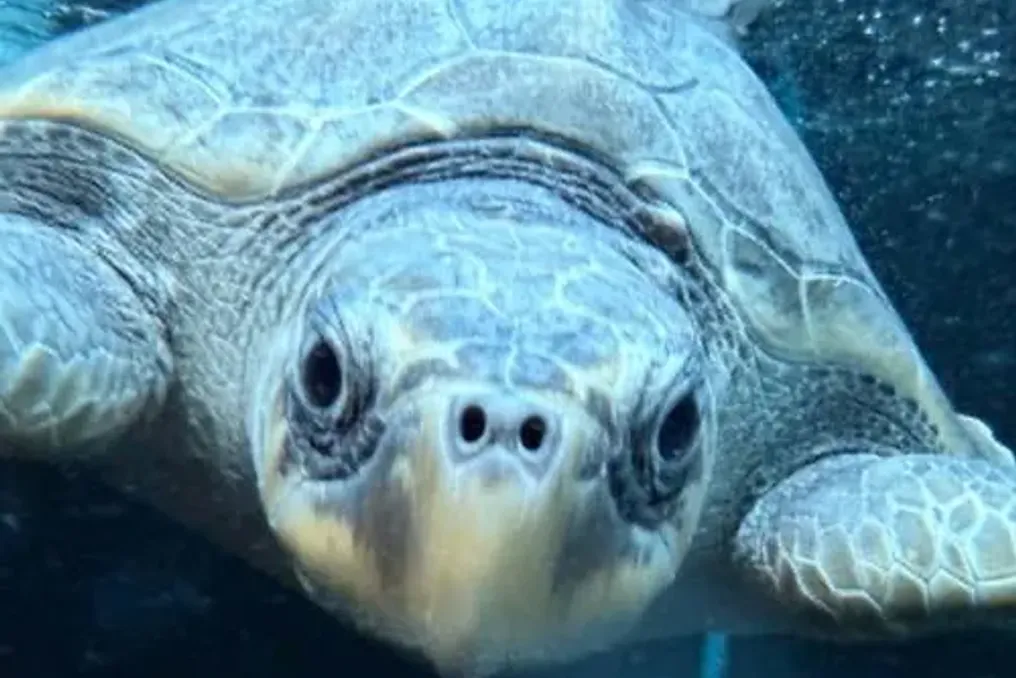
The inspiration for this challenge came from a turtle named Sage, an olive ridley turtle, which is recovering at the Turtle Conservation Centre after being rescued from a 30 kg ghost net. This turtle was found in the De Hoop Nature Reserve last December.
Hanks, who leads the Noordhoeked project, plans to cover the equivalent of three PUFFeR (Peninsula Ultra Fun Run) races in two days. The total route will be 192 km, including a 64 km segment between the Cape Point reserve gates and the Green Point Rugby Club.
The fundraising goal is 80,000 Rands for Sage. Donations are accepted through Hanks' BackaBuddy campaign on Friday, August 21st, and Saturday, August 22nd, before the challenge begins.
The campaign is also aimed at raising awareness about how discarded fishing gear, known as ghost nets, affects marine life. Olive ridley turtles are listed as a vulnerable species on the International Union for Conservation of Nature (IUCN) Red List. They face growing threats such as entanglement in fishing gear, plastic pollution, habitat loss, and poaching, and are rare visitors to South African waters.
Hanks emphasized that the target amount is based on Sage's needs during rehabilitation, not on the distance covered. The funds will cover a significant part of the turtle's treatment, from admission to release, including nutrition, veterinary care, life support systems, and enrichment activities that prepare the turtle for life in the wild.
Furthermore, the fundraising goal includes the cost of an acoustic tracking tag, which will allow conservation specialists to monitor Sage's movements after its release and provide valuable data for rehabilitated sea turtle research. Hanks noted that even collecting funds just for the acoustic tag would be valuable to the rehabilitation and release process.
According to Hanks, the turtle's movement patterns will provide insight into the species' behavior, feeding grounds, and habitat use. The tags also allow researchers to track turtles after rehabilitation, helping to assess how they survive and integrate back into wild populations. Most importantly, the collected data is used to develop conservation strategies aimed at protecting these vulnerable animals.
Hanks admitted that despite her experience in long-distance runs, there are moments of doubt about her ability to finish the distance, but the charitable aspect helps her maintain focus. In addition to fundraising, Hanks hopes the campaign will encourage people to make small lifestyle changes that benefit turtles and other marine life. She urges people to reduce their use of single-use plastics and, whenever possible, choose seafood from sustainable fisheries.