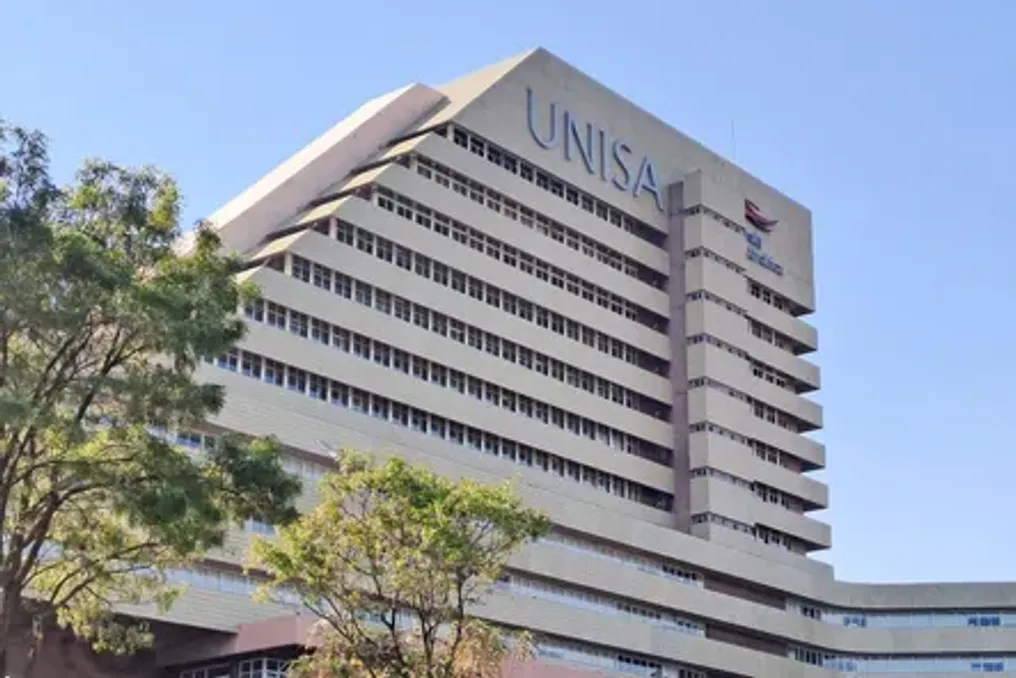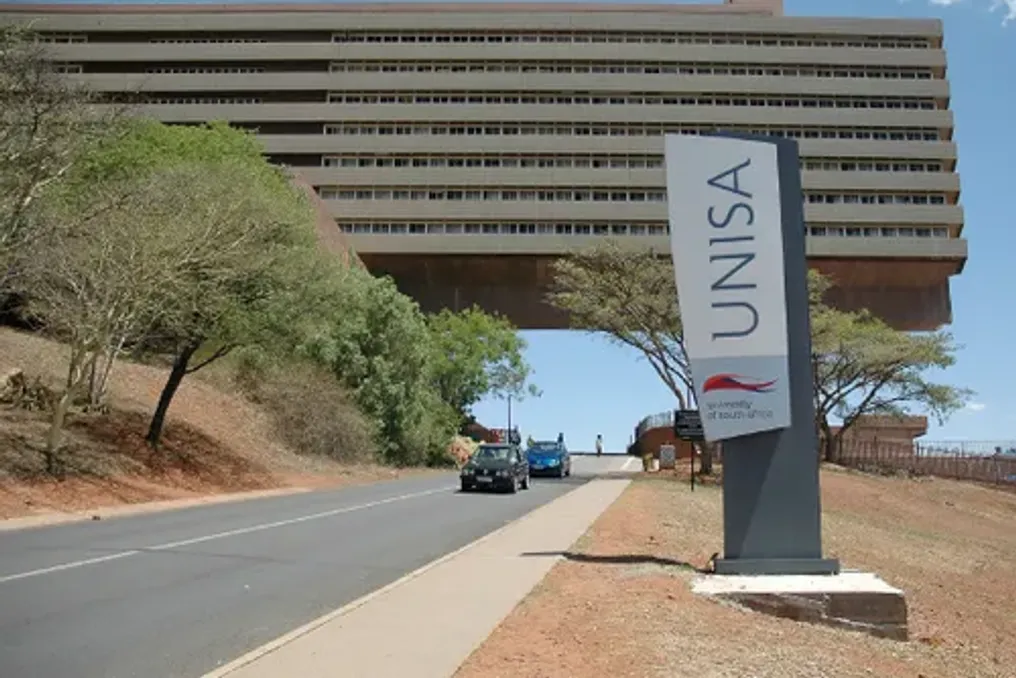
The University of South Africa (Unisa) has refuted the assertions made by the National Student Financial Aid Scheme (NSFAS) claiming that internal technical difficulties at the university led to delays in the disbursement of July student allowances. Unisa maintains that the disruption stems from wider systemic issues rather than any shortcomings within the university itself.
Конфликт вокруг выплат
These conflicting narratives have renewed worries regarding the management of student financing, especially since over 93,000 students supported by NSFAS awaited their monthly Personal Care Allowance. In a statement released on Thursday, NSFAS indicated that it transferred the necessary funds to Unisa on July 2nd after finalizing reconciliation procedures, placing the responsibility for distribution with the university.
NSFAS attributed the payment delays to technical system challenges encountered during Unisa's payment cycle, stating that these issues were resolved by July 6th and that outstanding payments were being finalized. Based on data provided by Unisa, approximately 93,093 students were impacted. NSFAS noted that some recipients had already received their funds, while others were scheduled to be paid that week.
Позиция Unisa
However, Unisa strongly disagreed with this explanation. Prior to NSFAS issuing its statement, acting chief financial officer Liana Joubert informed SABC News that the university had started processing payment batches the preceding Friday and that every qualified student had received their remittance advice. Joubert emphasized that the problem was 'predominantly not a Unisa issue,' characterizing it instead as a 'systemic issue rather than a Unisa issue,' while asserting that the university managed the process 'exceptionally well from our side.'
As South Africa's largest distance-learning institution, Unisa enrolls over 380,000 students, roughly 177,000 of whom receive NSFAS funding. Joubert pointed out that the sheer size of the institution complicated payment processing. The university insisted it faced no technical hurdles in handling the allowances.
Обновления и административные причины
Following a meeting with Higher Education and Training Deputy Minister Yusuf Cassim on Thursday, Unisa reported that 98.2% of eligible NSFAS-funded students had received their allowances. The university stated clearly, 'Importantly, Unisa experienced no technical challenges in processing NSFAS allowance payments.' They detailed that NSFAS transferred the funding on July 2, 2026, and Unisa began processing payments within 24 hours, successfully processing allowances for over 95,000 students between July 3rd and 7th.
Unisa explained that the remaining 2% of unpaid cases were mainly due to administrative and eligibility matters, such as incorrect or missing bank details, failed bank verification, duplicate registrations, and pending NSFAS eligibility confirmations. The university added that deposit timing relied on individual banks after payment instructions were processed, confirming they completed the process within the seven-working-day period agreed upon with NSFAS.
Финансовое положение и сотрудничество
The payment disagreement prompted Cassim's initial official visit to Unisa's Muckleneuk campus in Pretoria, following numerous complaints directed to the Deputy Minister's Helpdesk. During this meeting, Cassim engaged with student representatives and university management to review the divergent accounts and discuss improvements to the payment procedure.
Joubert also addressed the financial strains on the university, noting that Unisa recorded a R106 million deficit in 2025 because it disbursed more funds to students than it received. Looking forward, she mentioned receiving R733 million from NSFAS in March 2026 but paying out R907 million to guarantee students timely access to learning materials, which is projected to create an additional R213 million deficit. Much of this financial pressure, according to the university, originates from a long-standing disparity in funding between distance-learning and contact institutions.
Unisa students receive an average annual allowance of around R9,000, contrasting sharply with the approximately R48,000 received by students at contact universities. Furthermore, the university receives only R316 per student to manage the allowance system. Joubert clarified, 'We are not blaming NSFAS but are keen to work closely with them to synchronise payments. We can only disburse funds once they are received.'
Детали программ финансирования
NSFAS confirmed that it currently supports 168,480 Unisa students through its Book Allowance program, valued at R425.6 million, and 93,910 students via the Personal Care Allowance program, amounting to R148.6 million. Unlike students at traditional universities, Unisa students do not receive meal allowances; instead, eligible students receive support through book, study material, and Personal Care Allowances.
NSFAS expressed understanding of the concerns of affected students and affirmed its close collaboration with Unisa to ensure all eligible beneficiaries receive their allowances promptly. Meanwhile, Unisa advised students who had not yet received payments to check their NSFAS funding status, verify their banking information, and confirm submission of all necessary documents, reiterating the university's commitment to professionalism, accountability, and transparency.