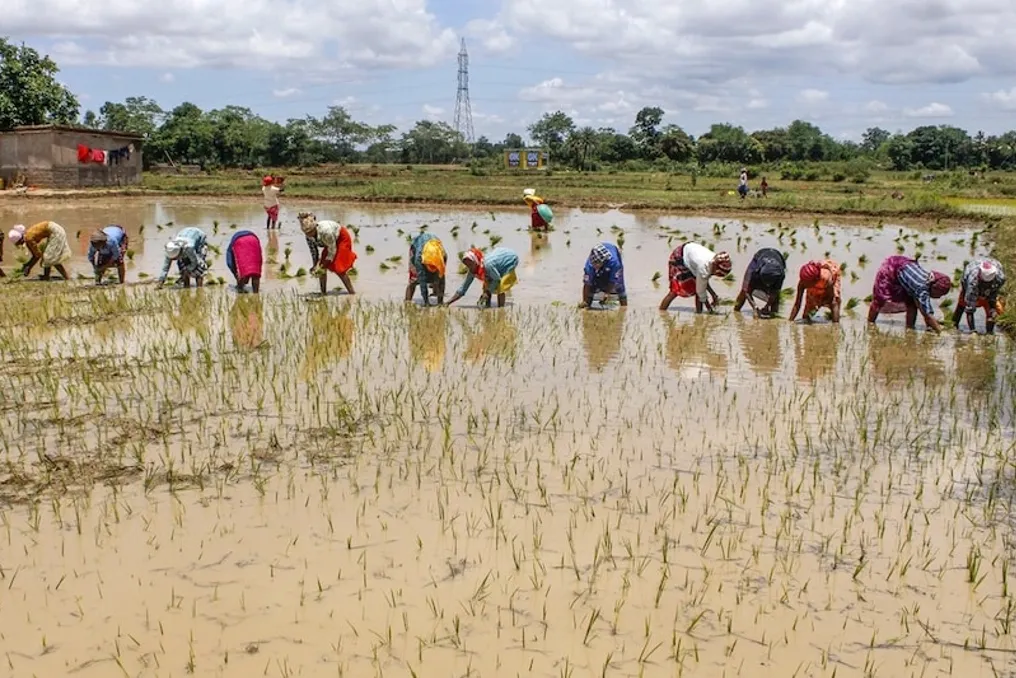
Rural farming communities in South Africa face serious threats due to the pollution of urban rivers with plastic and sewage. Dr. Kyle van Heide from the ARC Natural Resources and Engineering department explains how polluted rivers and degrading soils endanger rural livelihoods.
The Problem of Water Resource Pollution
The pollution of urban rivers and reservoirs in South Africa is recognized as a growing problem for both the environment and public health. However, little attention is paid to the consequences of this process downstream, where farms and small plots may depend on these same water sources for irrigation and livestock.
Rivers flowing from urban centers act as conduits for transporting pollutants into peri-urbanized and rural landscapes, shifting a significant part of the burden onto communities that directly rely on these systems for their sustenance. The Constitution of South Africa guarantees the right to a healthy environment, yet communities along polluted rivers often suffer disproportionately, facing deteriorating water quality, reduced agricultural productivity, and increased health risks.
Multiple Sources of Pollution
Urban water pollution is a complex issue caused by the interaction of various factors within hydrologically connected systems. These include sewage discharges, surface runoff from rain, industrial emissions, mining legacies, and inefficient waste management, all contributing to water quality degradation.
The interaction of these pollutants is particularly concerning. Plastic waste, being buoyant and durable, can travel long distances through rivers and reservoirs. In the water, it becomes covered with biofilms that may contain harmful bacteria and pathogens, meaning that pollution is not just moving downstream but is also changing its nature.
Rainfall can intensify this process. Although rain is often considered a diluent of pollution, urban runoff can wash pollutants from roads, soils, and infrastructure into waterways. Pollutants settled at the bottom or along riverbanks can also be re-mobilized, directing waves of nutrients, pathogens, and chemicals into downstream agricultural areas.
Impact on Crops and Soil
For farmers, water quality directly affects productivity. In contaminated systems receiving sewage, high levels of nutrients are often observed. While nutrients are necessary for plant growth, excessive concentrations can disrupt soil chemistry, negatively affect crop condition, and lead to imbalances that reduce yield or quality over time.
In eutrophic systems, such as the Hartbeespoort reservoir, irrigation water can carry a high load of nutrients and organic matter, promoting soil degradation and creating long-term management challenges. Elevated ammonia levels can become toxic to crops, while high salinity can cause tissue burns in plants and disrupt soil microbial communities that support fertility, thereby increasing resource costs and reducing long-term productivity.
Livestock Risks
Animals are also at risk due to poor water quality. Many small, communal, and commercial farmers use rivers and reservoirs as their primary source of water for animals. When these sources become polluted, livestock can be exposed to pathogens and contaminants that cause diseases, reduce productivity, or lead to outbreaks. For small farmers, the loss of even one animal can have serious economic and social consequences, affecting food security and household income.
Enhancing Agricultural Resilience
While eliminating pollution at the source remains critical, there is also an opportunity to enhance resilience in affected agricultural landscapes. Wetlands and riparian zones filter pollutants, trap sediments, and improve water quality. By protecting or restoring them, they can serve as buffers mitigating the impact of upstream pollution.
Farmers and landowners can also help reduce visible pollution before it travels further downstream. Where safe and appropriate, trash traps, floating collection nets, booms, and regular clean-up points can intercept plastic waste in drainage ditches, diversion lines, and small farm streams. These systems must be carefully placed and maintained so as not to exacerbate flooding, block natural flow, or release trapped material during floods.
Applied research and advisory support also play a vital role. Through ARC-Natural Resources and Engineering research, assessments, and water quality consulting services, farmers can be helped in making practical decisions, including identifying water quality risks, safer water abstraction points, and periods when water use may pose a greater risk.
Prospects and Necessary Actions
Water quality is not only an environmental but also an agricultural, economic, and social issue. Improving South Africa's rivers will require coordinated action across various sectors, including improving urban infrastructure management, strengthening sewage regulation, and investing in restoration and remediation. For farmers, practical steps such as protecting riparian buffers and wetlands, intercepting plastic waste where appropriate, and making informed decisions about the timing and location of water abstraction can mitigate the impact of contaminated water. Ultimately, clean and reliable water is not just about protecting ecosystems; it is about ensuring agricultural productivity, rural livelihoods, and the sustainability of communities dependent on rivers and reservoirs.