According to a report by the Center for Energy and Clean Air Research (CREA), India's import of Russian crude oil increased by 34% in June. This growth occurred despite a general decline in Russia's export revenues from oil sales.
Purchase Volume and India's Position
In June, India purchased Russian crude oil worth 4.5 billion euros. This amount accounted for 83% of India's total import of Russian hydrocarbons, which reached 5.5 billion euros. Thus, India became the second-largest buyer of Russian hydrocarbons after China.
Increase in Supplies to Refineries
The sharp increase in imports was driven by a 5.4% rise in India's overall crude oil imports compared to the previous month. A significant increase in Russian oil supplies was recorded at key refineries. For instance, supplies to Reliance Industries refinery in Jamnagar grew by 150% compared to May, and imports to Indian Oil Corp refinery in Paradip increased by 126%. Furthermore, BPCL refinery in Kochi and Nayara Energy refinery in Vadinar showed growth of 83% and 45% respectively.
Impact on Russian Exports
The increased purchases from India contributed to a 14% rise in Russia's crude oil export volumes in June. However, due to falling prices, Russia's revenue from crude oil exports dropped by 8% compared to the previous month, amounting to 348 million euros per day. Overall, Russia's revenue from all hydrocarbon exports decreased by 1%, reaching 734 million euros per day, although export volumes grew by 7%.
India's Role in Global Trade
CREA specified that in June 2026, India was the second buyer of Russian hydrocarbons, importing a total of 5.5 billion euros. Crude oil constituted 83% of these purchases, equivalent to 4.5 billion euros. The remainder of the imports included petroleum products (488 million euros) and coal (444 million euros).
India continues to play an important role in the global trade of fuel produced from Russian crude oil. In June, refineries in India, Turkey, Brunei, and Georgia exported petroleum products worth 814 million euros to countries that imposed sanctions against Russia, including the European Union, Australia, and the United States. It is estimated that 369 million euros of these exports originated from Russian crude oil.
Sanctions and Exemptions
Despite the European Union ban on importing petroleum products made from Russian crude oil, two shipments from Indian refineries using Russian raw materials were unloaded at EU ports in June. It is also reported that the UK received its first shipment of aviation fuel from the Jamnagar refinery after the UK government granted an exemption allowing the import of diesel and aviation fuel derived from Russian crude oil. This shipment, valued at about 63 million euros, was unloaded at the ports of Thames Haven and Isle of Grain.
Raw Material Sources and Markets
The Jamnagar refinery belongs to and is operated by Reliance Industries Ltd. Exports to the US were carried out from the Jamnagar refinery in India, the STAR refinery owned by SOCAR in Turkey, and the Tupras Izmit refinery. Over the last three months, 60% of the raw material base of the Tupras Izmit refinery and 27% of the raw material base of the Jamnagar refinery came from Russia.
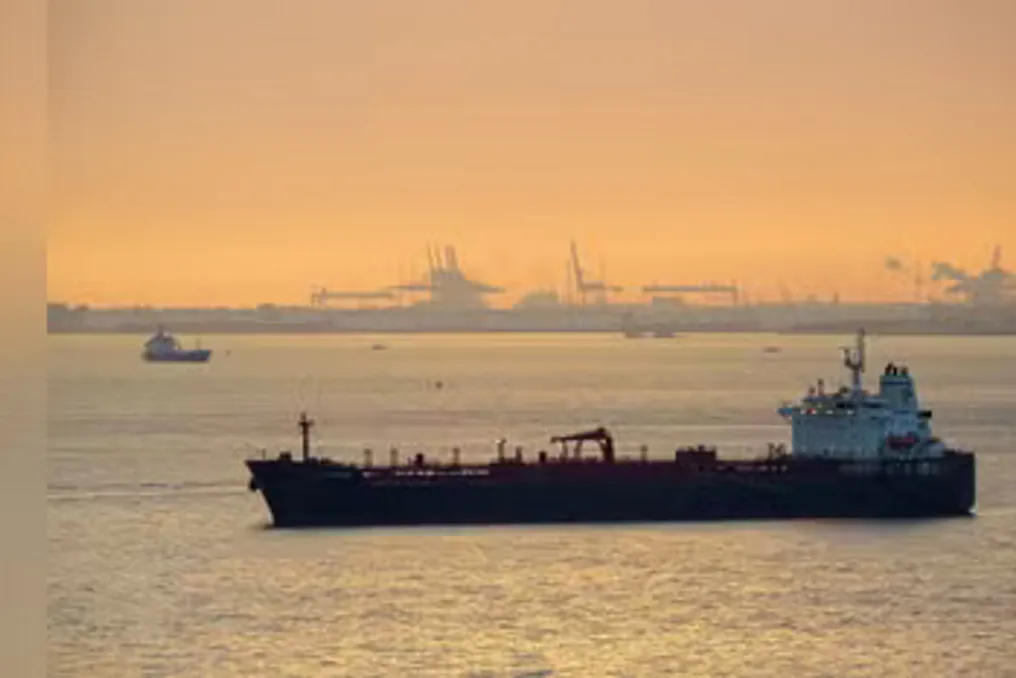
China remained the largest consumer of Russian hydrocarbons in June, purchasing 7.3 billion euros worth, while India ranked second with purchases of 5.5 billion euros. The report also highlighted the dependence of Russian oil exports on the so-called 'shadow fleet': in June, 54% of Russia's maritime oil transport was conducted by sanctioned tankers, and another 43% was transported by vessels insured or owned by G7 countries.