According to Crisil Ratings, the two-wheeler segment presents more significant challenges for Delhi's recently approved electric vehicle policy. This policy mandates a ban on registering vehicles with traditional engines starting from April 2028, yet the share of electric two-wheelers in Delhi in the fiscal year 2026 was only 7.3 percent.
Challenges for the Two-Wheeler Market
Punam Upadhyay, Director at Crisil Ratings, told PTI that the requirement to register only electric vehicles from April 2028 provides a clear roadmap for accelerating investments in electric products, infrastructure, and distribution within the two-wheeler transport industry. Nevertheless, in the short term, internal combustion engine (ICE) models are expected to remain relevant.
Upadhyay noted that the future growth of the two-wheeler market in Delhi will increasingly depend on the readiness to adopt electric vehicles. She emphasized that the impact on ICE manufacturers will vary across different segments, and the transition in the two-wheeler segment is expected to be gradual, given that electric vehicles accounted for only 7.3 percent of registrations in Delhi in FY 2026.
Policy Details and Support
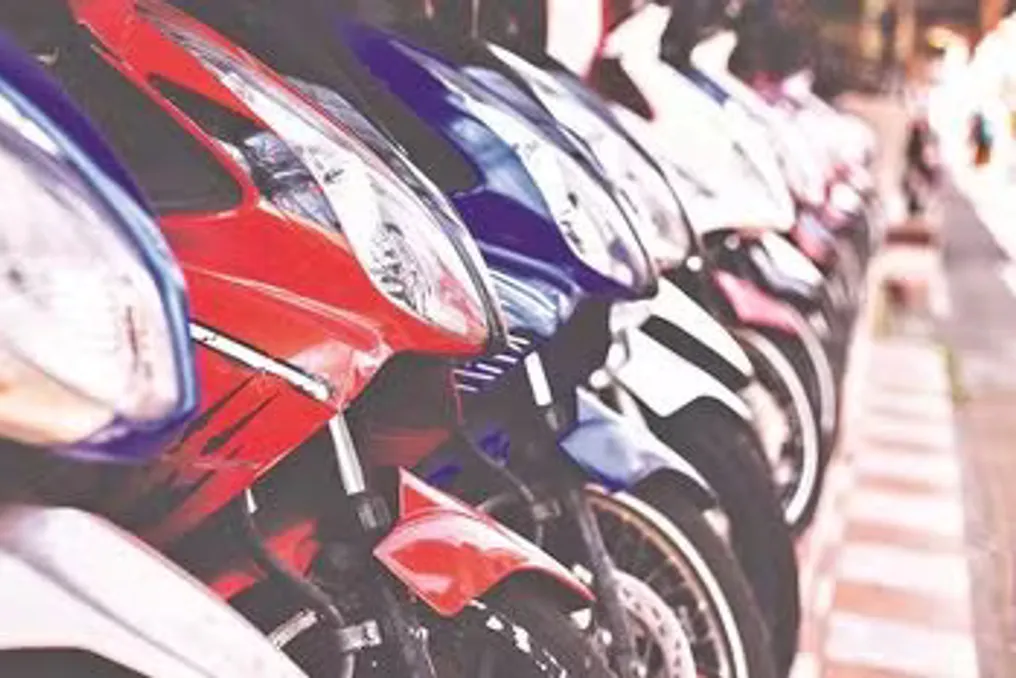
Elaborating on the situation, she added that despite a roughly 25 percent increase in two-wheeler registrations to 5.7 lakh units in FY 2026, the penetration of electric vehicles remained at 7.3 percent. Under the policy draft, all new two-wheeler registrations must be electric starting from April 2028. This will be supported by incentives of up to ₹30,000 per vehicle in the first year, which will gradually decrease over the next two years.
Although the policy includes scrappage benefits and tax exemptions, Upadhyay warned that as financial support decreases, price competitiveness and total cost of ownership will become increasingly important factors in sustaining demand for electric vehicles.
Comparison with Passenger Cars
In contrast to the two-wheeler segment, the evolution for passenger cars is proceeding more steadily. The policy does not mandate only electric vehicle registration for private cars; instead, it relies on incentives to encourage their adoption.
Upadhyay concluded that in the medium term, ICE vehicles are likely to remain in demand, and the pace of electrification will be determined by factors such as vehicle cost, charging convenience, and model availability.
Situation with Four-Wheelers and Three-Wheelers
In FY 2026, approximately 2 lakh four-wheelers were registered in Delhi, including nearly 77,000 electric vehicles (representing 39 percent penetration) and about 52,000 hybrids. Under the policy, all passenger electric vehicles priced up to ₹30 lakh at the national capital showroom receive a 100 percent exemption from road tax and registration fees.
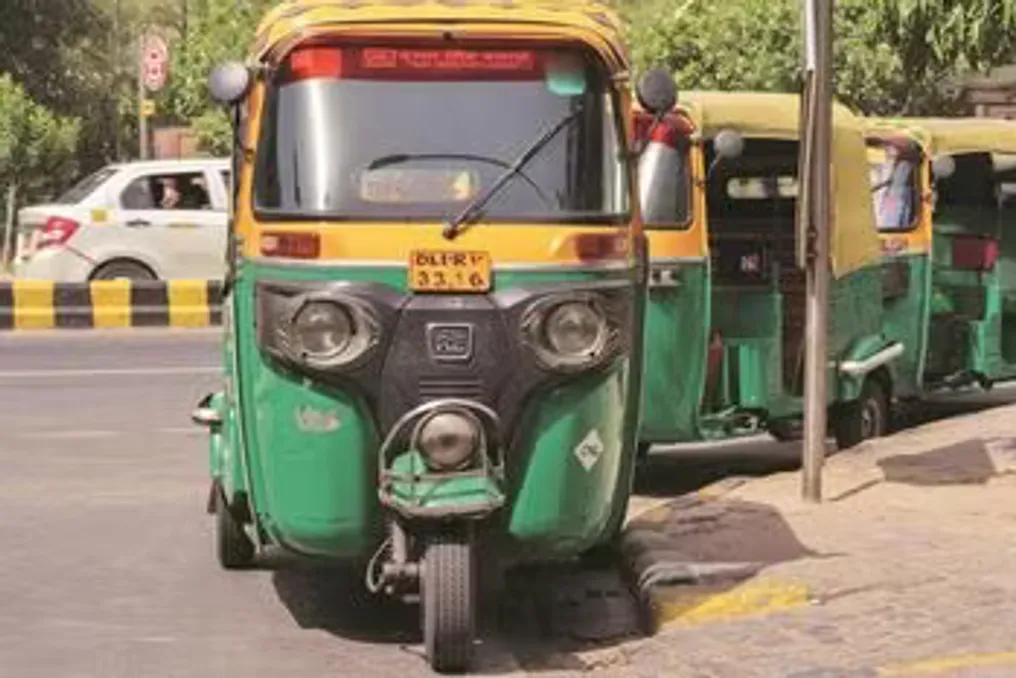
Upadhyay also pointed out that among vehicle segments, three-wheelers face the earliest transition, as the mandatory electric vehicle registration is scheduled for January 1, 2027. However, the success of this transition will depend on sufficient vehicle supply, access to financing, as well as charging and battery replacement infrastructure. In FY 2026, electric vehicles constituted almost two-thirds of the 55,700 registrations of all three-wheelers.
Overall, the Delhi EV policy represents one of the most ambitious state-level initiatives in India aimed at accelerating electric mobility through a combination of registration mandates, targeted fiscal incentives, and a clear preference for clean EVs over hybrids.