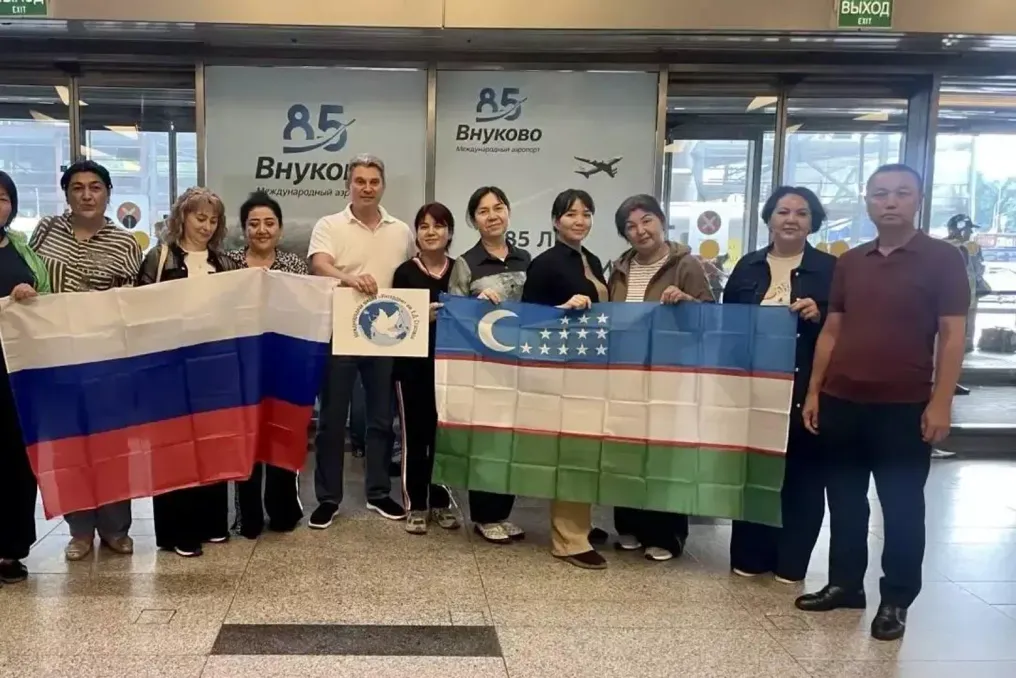
Sixty teachers and students of pedagogical specialties from Uzbekistan are participating in a program on modern teaching methods held in the city of Ivanovskaya, Russia.
Sixty teachers and students of pedagogical specialties from Uzbekistan are participating in a program on modern teaching methods held in the city of Ivanovskaya, Russia.
According to a Sputnik report from July 12, this pedagogical cohort was organized at the E.D. Stasov International School 'Interdom' under the International Cooperation Center of the Ministry of Education of Russia. The program took place from July 4 to July 20.
The event involves 30 future educators from Uzbekistan, as well as 30 practicing teachers who teach Russian as a foreign language. Participants are mastering modern teaching methodologies from Russian specialists, getting acquainted with interactive tools, and studying the application of artificial intelligence technologies in pedagogical activities.
Furthermore, they are developing original lessons for schoolchildren and testing their acquired knowledge through work with children from Uzbekistan studying at 'Interdom.'
According to Dmitry Mereshkin, acting director of the International Cooperation Center of the Ministry of Education of Russia, the program provides participants with the opportunity to immediately implement new approaches into their pedagogical practice. Within the framework of the cohort, cultural excursions were also organized throughout the Golden Ring of cities in Moscow and Russia.
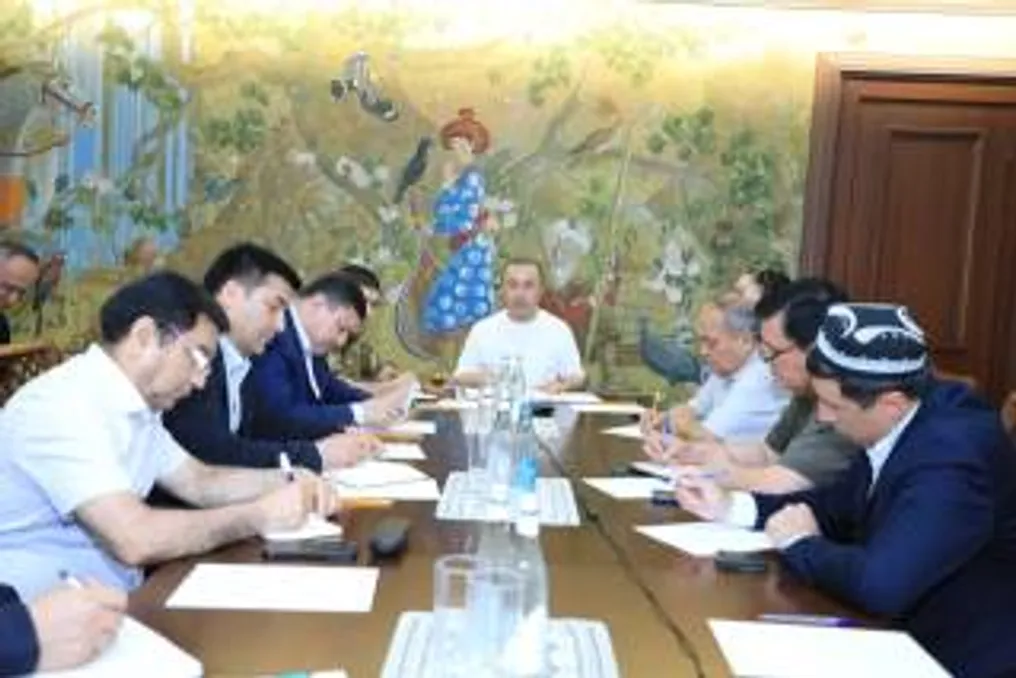
An expanded meeting was held in the 'Turkiston' hall dedicated to ensuring the implementation of the President of the Republic of Uzbekistan's decree on the grand celebration of the 35th anniversary of the state sovereignty of the Republic of Uzbekistan.
The chairman of the meeting, Bahodir Akhmedov, the first deputy minister of culture, led the discussion on organizing the main traditional events associated with the 35th anniversary of the state sovereignty of the Republic of Uzbekistan. Special attention was paid to creating meaningful and highly artistic stage solutions, as well as the effective use of modern technologies within the festive programs.
Furthermore, responsible persons were assigned tasks to widely involve dance ensembles and folklore-ethnographic ensembles operating in the regions of the republic in the celebratory events. The goal is to demonstrate the enduring appeal of national values, customs, and traditions through high artistic skill on stage.
During the meeting, specific responsibilities were defined for creating new songs celebrating the path of development of New Uzbekistan, the unity of the people, patriotism, and ideas of creation, as well as for their professional performance on stage and the organization of high-level celebrations.
It was emphasized that the traditional events dedicated to the 35th anniversary of state sovereignty must vividly demonstrate the country's high development potential, its national culture, and its spiritual values.
According to the Russian Ministry of Defense, 128 settlements were taken under control during the first half of the year, and 1,575 warehouses were destroyed.
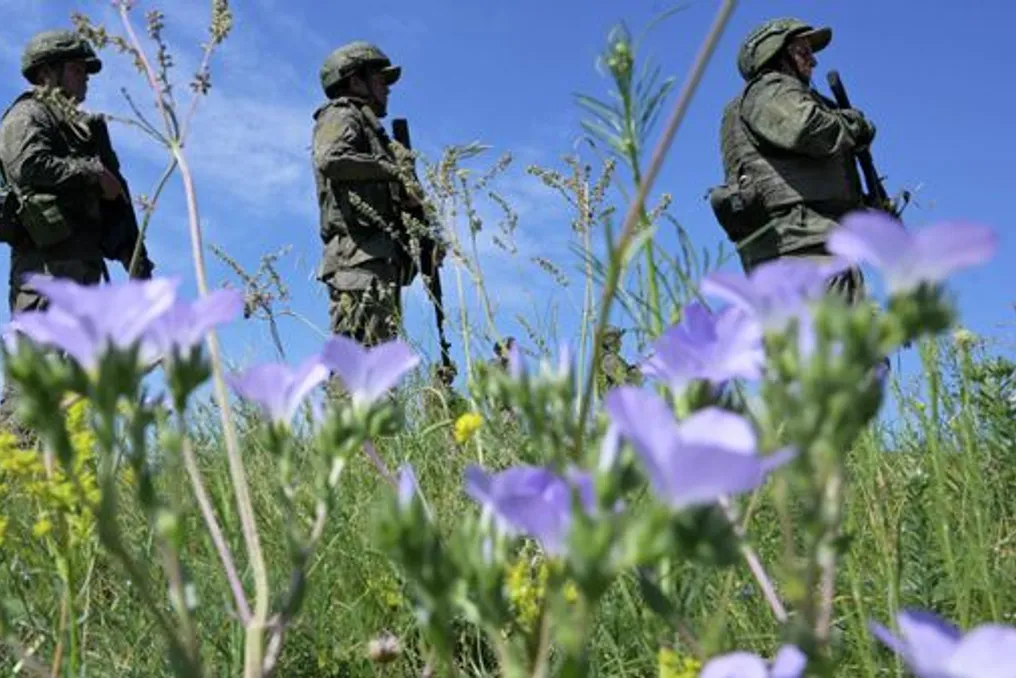
Russian armed forces took control of 128 settlements during the special military operation in the first half of 2026. This was reported by RIA Novosti based on information from the Russian Ministry of Defense.
According to the agency's count, the largest number of settlements that came under the control of Russian troops from January 1 to June 30 is in the DNR—39 settlements. Additionally, 32 settlements were recorded in the Kharkiv region, 29 in the Zaporizhzhia region, 20 in the Sumy region, and 8 in the Dnipropetrovsk region.
The highest monthly figure was noted in February, when 24 settlements came under control. In January and March, 23 settlements were registered each, in May—21, in June—20, and in April—17. Furthermore, the DNR, Kharkiv, and Zaporizhzhia regions accounted for 100 settlements, which is 78 percent of the total figure.
During this period, Russian armed forces carried out more than 157 high-precision strikes on facilities used in the interests of the Ukrainian army. These strikes were directed against 22 mass objects and at least 135 group objects. The main targets included enterprises of the Ukrainian military-industrial complex, energy and transport facilities, airfields and port infrastructure, as well as ammunition and fuel depots, and sites for drone production, storage, and flights.
In addition, 1,575 warehouses and storage sites belonging to the Armed Forces of Ukraine were destroyed over the six months. These facilities were used to store ammunition, fuel, material supplies, weapons, military equipment, and spare parts.
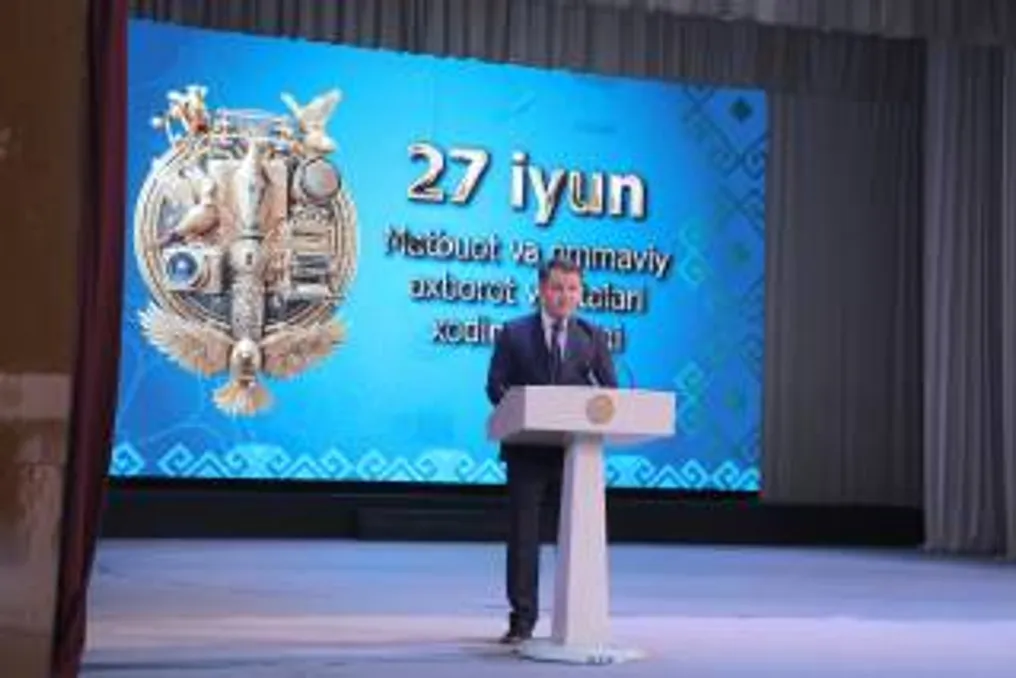
The celebration of the Day of Press and Mass Media Workers took place at the Berdak Theater in Karakalpakstan on June 27.
The Chairman of the Jogorku Kengesh of the Republic of Karakalpakstan, Amambai Orinbayev, congratulated those present on the professional holiday. It was noted that in recent years, under the leadership of the President, large-scale measures are being taken to ensure freedom of information and support the media. The work of industry employees in conveying changes in the socio-political and economic life of the country to the public is highly valued, especially within the concept of 'For Human Dignity'. In honor of the holiday, several workers were awarded distinctions, including the 'Shuhrat' medal from 'Jaslar TV' channel and 'Nukus FM' radio.