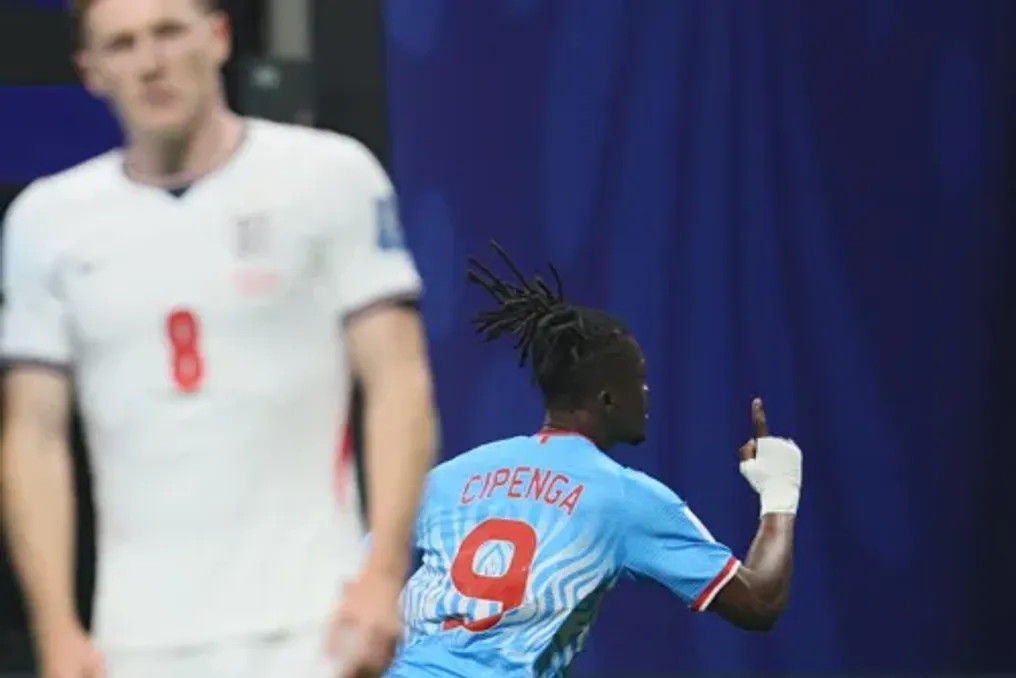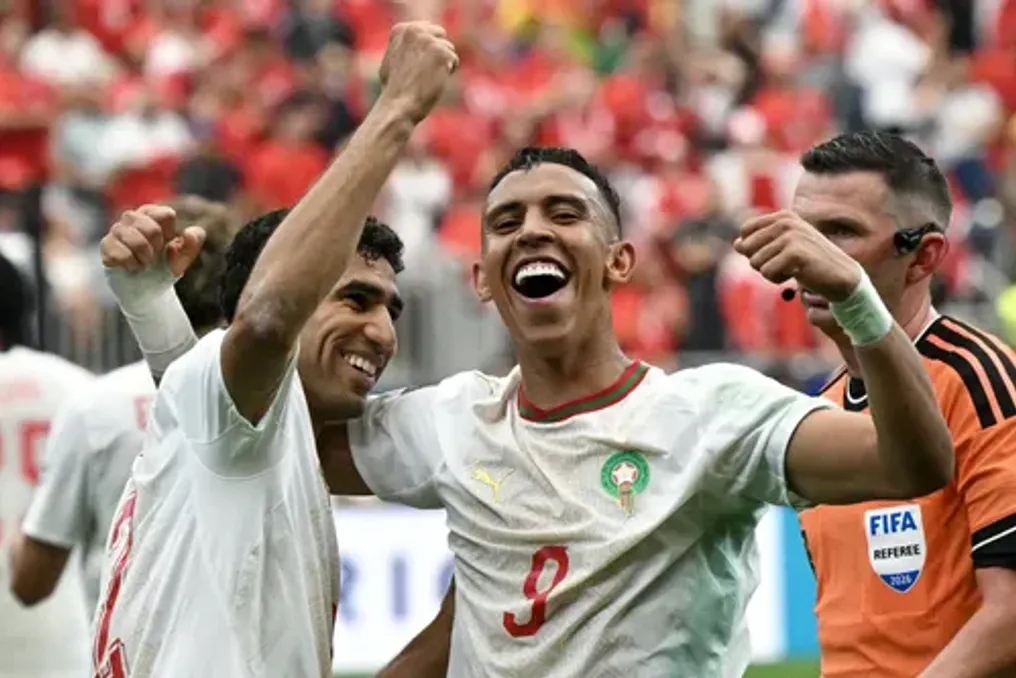
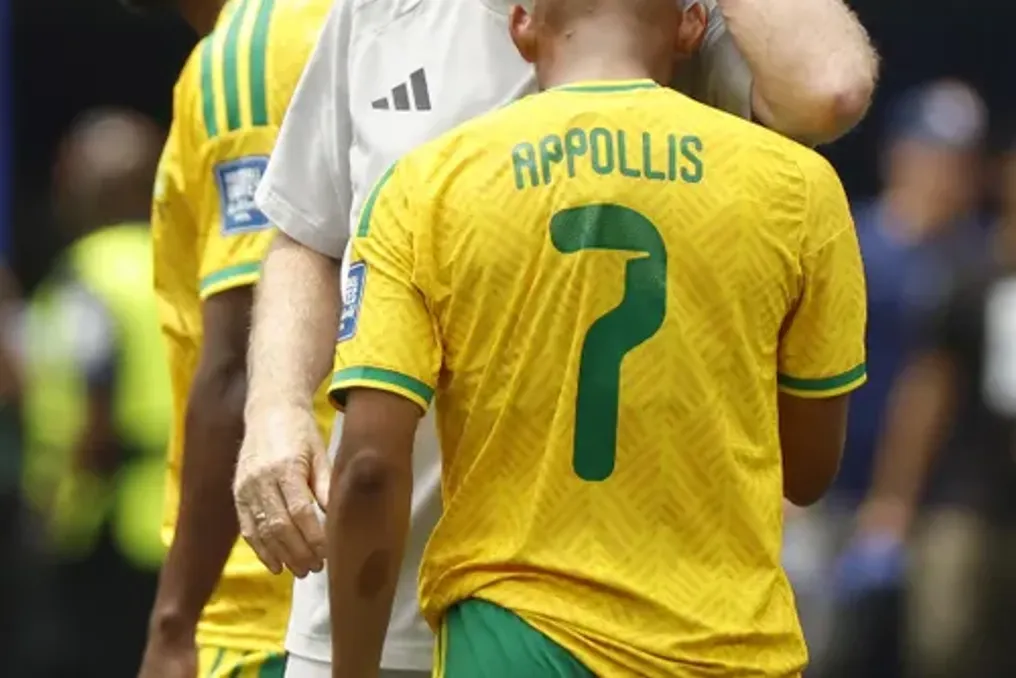
As African nations continue to exit the FIFA World Cup playoffs, Hugo Broos believes the problem is no longer talent, tactical understanding, or experience. According to the coach of 'Bafana Bafana,' the real reason lies in insufficient concentration.
Momentum and Team Issues
Continental Africa entered the tournament with unprecedented momentum. Nine out of ten continental representatives passed the group stage in the expanded 48-team format, which was a historic achievement and demonstrated a significant rise in global competitiveness. Nevertheless, African national teams consistently suffered painful defeats, often after they seemed capable of controlling or at least managing the match.
Broos sees a clear pattern in these events. He noted: 'I think it's a matter of concentration and focus. When you see DRC losing the game, when you see Senegal losing the game, it's just a loss of focus, a loss of concentration.'
The Psychological Aspect of the Game
The Belgian tactician did not exclude his own team from this criticism. 'Bafana' themselves experienced dangerous moments throughout the tournament and ultimately lost in stoppage time to Canada, ending their historic World Cup participation. Broos admitted: 'And we also had such moments, at the beginning of the game, in the last game, at the end of the game.'
In his opinion, the problem goes beyond tactics; it is psychological endurance—the ability to maintain emotional control and tactical discipline throughout a high-level playoff match. He emphasized: 'So I think, yes, a little, how should I put it, African teams suffer from this. Maintaining focus for 90 minutes or 120 minutes.'
Squad Composition and Tournament Examples
This observation becomes even more apparent when looking at the composition of modern African teams. Unlike past eras, many of these squads are now formed almost entirely by players who compete in European clubs and high-intensity leagues every week. Broos explained: 'Even African teams with all players who play in Europe. Because we are talking about teams that do not have a player, no player from the local championship in their squads.'
Examples from the current tournament only strengthen his argument. Senegal ceded a dominant position late in its playoff match, and Ivory Coast and DR Congo also collapsed after failing to handle crucial moments properly. Broos commented: 'Because yes, if you lose a game like Senegal 2-0 every time, the advantage is zero. And then 10 minutes later they lose the game. The last 10 minutes of the game.' He also mentioned: 'Ivory Coast 17 (the last 17 minutes of the game). So yes, that is what needs to be worked on.'
Conclusion on Progress
For Broos, the disappointment lies in the fact that these defeats were preventable. The quality gap is narrowing: African teams are increasingly competing physically, tactically, and technically with the world's strongest powers. However, the inability to maintain concentration at critical moments continues to undermine progress. He warned: 'And yes, if this doesn't disappear, you will have games that you lose unnecessarily.'
He concluded that Senegal, Ivory Coast, and DRC should not have lost those matches, and that Africa is no longer fighting for World Cup qualification but trying to finish what it started.