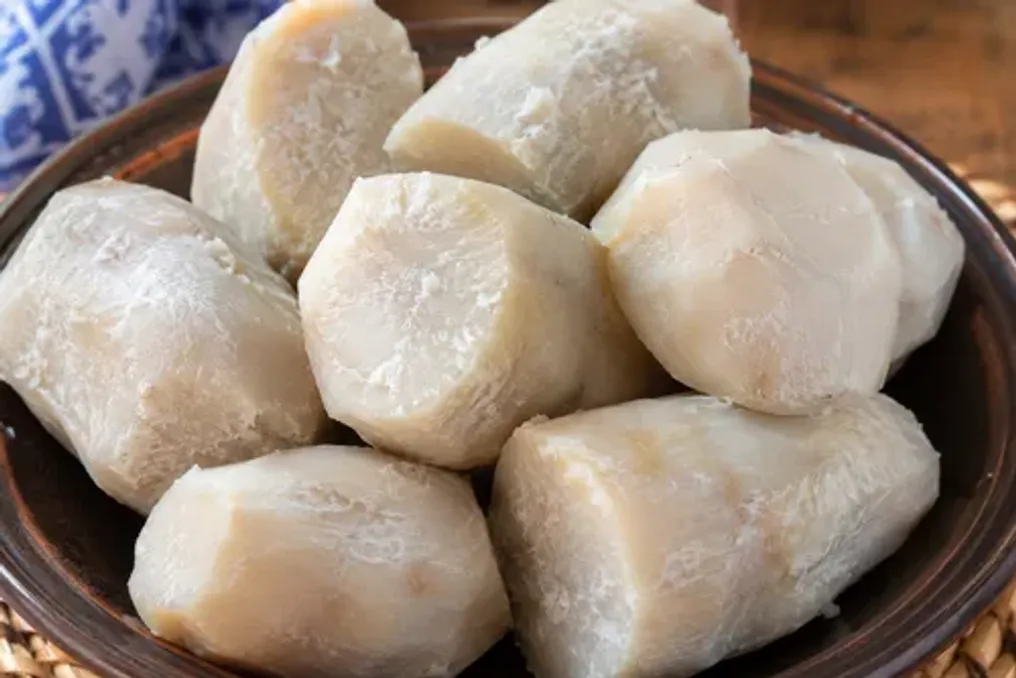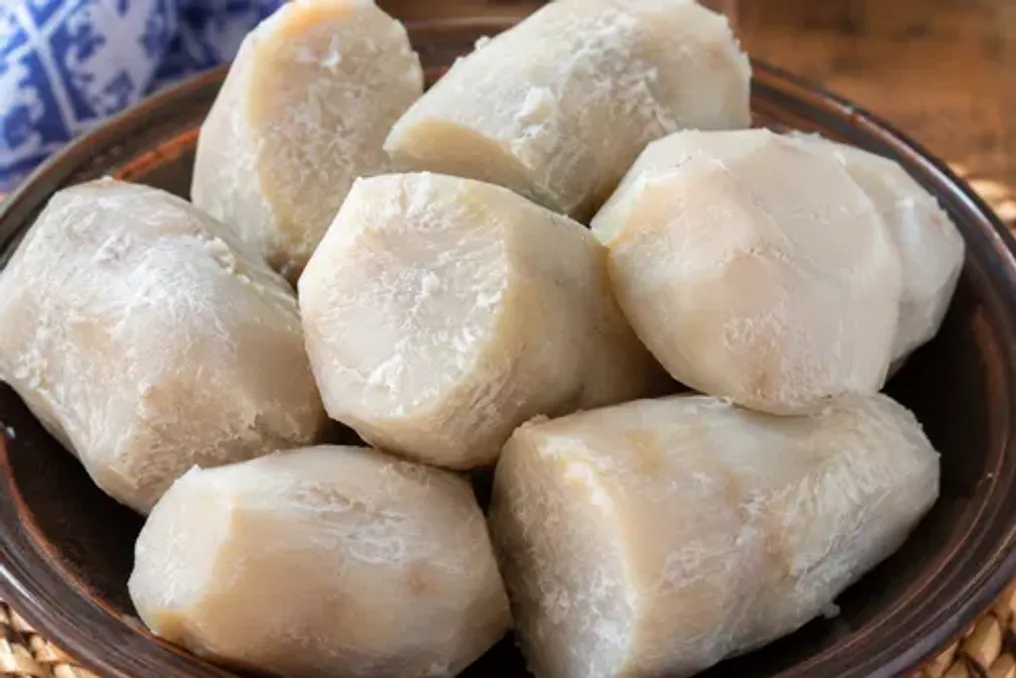
Before the rise of trendy superfoods, amadumbe have long been an integral part of family meals in many South African communities. This small brown root vegetable, also known as taro, has been valued for generations, especially in the KwaZulu-Natal and Eastern Cape provinces.
Cooking Amadumbe at Home
Amadumbe is highly valued for its versatility, affordability, and pleasant taste, leading it to re-enter modern cuisines as people discover traditional ingredients. Preparing this root vegetable is simple and requires minimal ingredients.
To begin, wash about 1 kg of the vegetables in cold water to remove all soil. Then, place them in a large pot, cover with water, and optionally add a pinch of salt. After the water boils, reduce the heat and let them simmer for 30–45 minutes, depending on their size.
Checking Doneness and Serving
To check if they are cooked, insert a fork or knife into one of the root vegetables; if it goes in easily, the amadumbe are ready. After cooling slightly, the skin can be removed with fingers or a small knife. The flesh inside should be soft, creamy, and have a slightly nutty flavor.
There are several ways to serve amadumbe. For a traditional meal, they are served warm with roasted meat, chicken, or fish, complemented by leafy greens. They also pair well with steamed cabbage or spinach.
For breakfast, cooked amadumbe can be mashed with a little oil, a pinch of salt, and black pepper. Others prefer a sweeter option, drizzling them with honey or sprinkling cinnamon on top. Additionally, cooked amadumbe can be turned into soups, added to stews to thicken them, or baked in the oven with olive oil, garlic, and herbs until golden brown.
Health Benefits and Affordability
In addition to being filling, amadumbe are rich in nutrients. They are an excellent source of dietary fiber, which promotes healthy digestion and helps maintain a feeling of fullness longer. They also contain complex carbohydrates that release energy slowly throughout the day.
Amadumbe contains Vitamin C, which supports the immune system and aids the body in absorbing iron, as well as Vitamin E—an antioxidant that protects cells from damage. The root vegetable also supplies potassium, vital for normal blood pressure and muscle function, magnesium for nerve and muscle health, and manganese, an essential mineral for bone health and metabolism. Being naturally low in calories and cholesterol-free, amadumbe can be part of a balanced diet when prepared without excess oil or butter.
As food prices continue to pose difficulties for many households, traditional ingredients like amadumbe offer an accessible, nutritious, and satisfying option, connecting families to the rich culinary heritage of South Africa. Sometimes the most nutritious dishes are those grown in our own gardens.