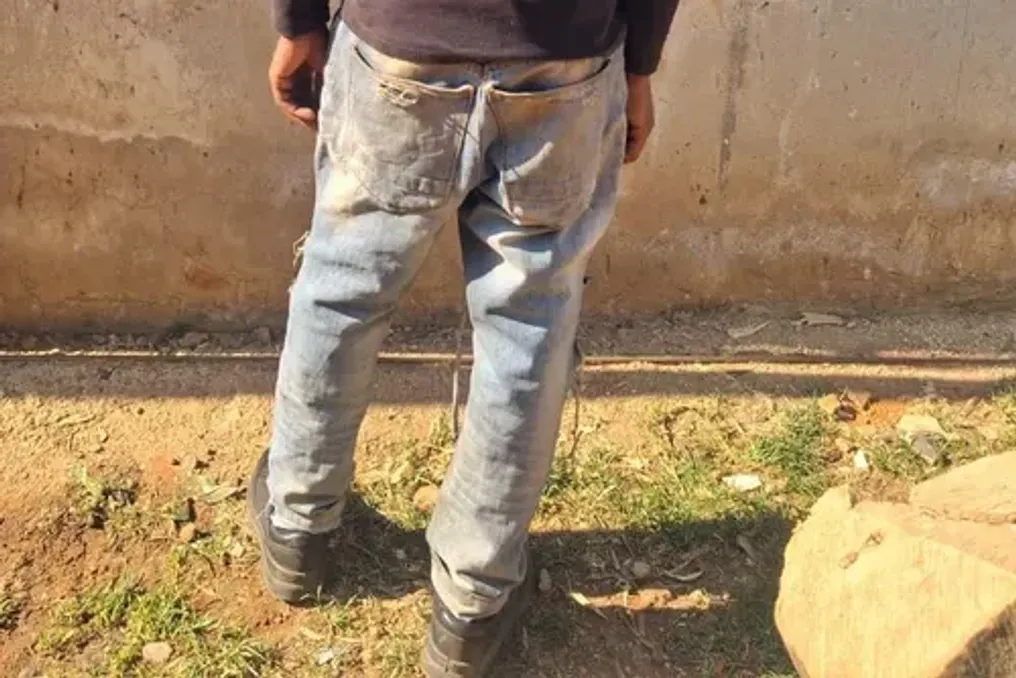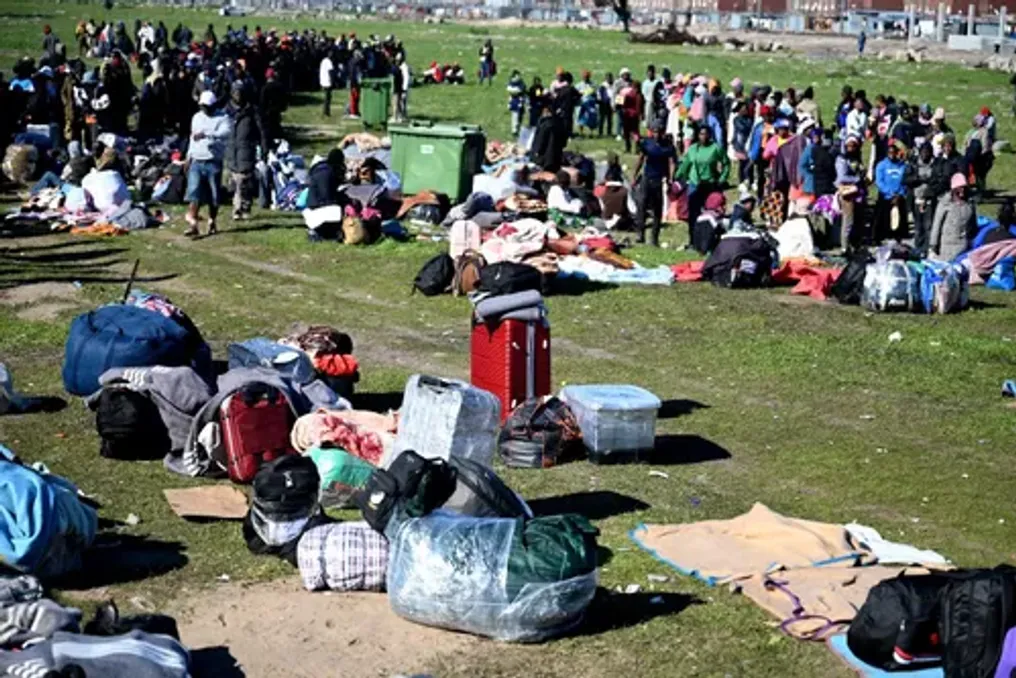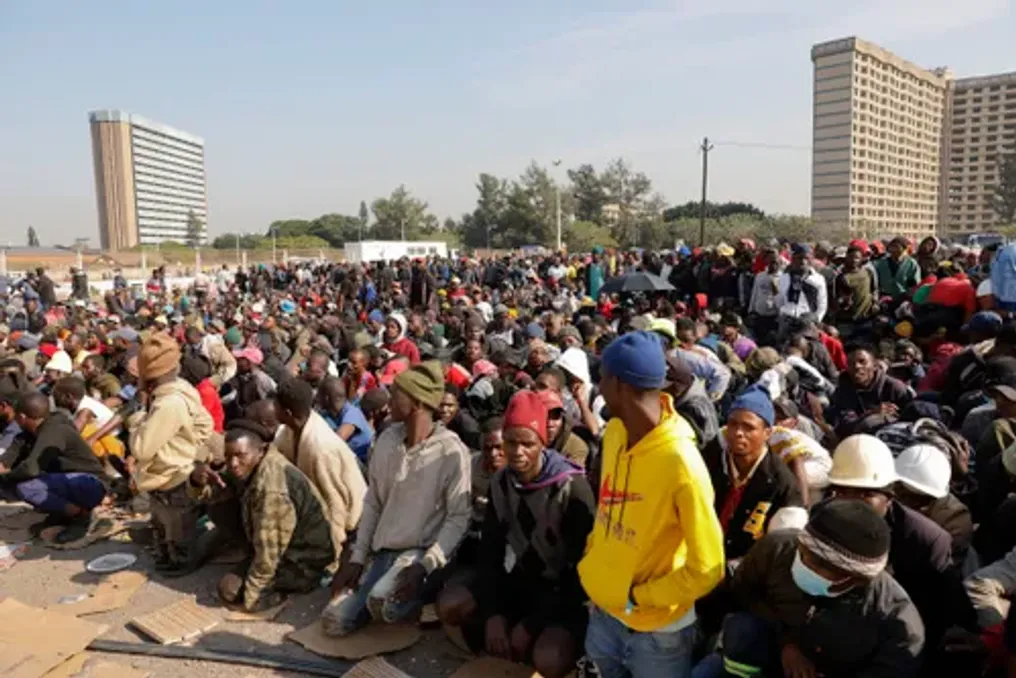
Despite numerous socio-economic difficulties, the people of South Africa have maintained the ability to smile. Thanks to their resilience, sense of humor, and indomitable spirit, they continue to overcome life's challenges with laughter.
Contrast as a Survival Strategy
South Africa is a country that greets crisis in the morning and falls asleep laughing. The lights dim here, but jokes turn on; the economy stumbles, but the lifestyle industry thrives; unemployment rises, but creativity explodes. We live in a constant state of contradiction, and it is this contradiction that sustains us. This is not just a characteristic of the national personality, but a proven survival strategy.
Although every society has its tensions, in South Africa, they have reached extreme levels. They exist side by side, like mismatched furniture in a cozy room. This nation has learned to hold two opposite truths simultaneously without collapsing under the weight of this contradiction. Crisis acts as the bass line, and humor as the melody; together they form the rhythm of daily life.
Cultural Approach to Hardship
The people of South Africa follow an unwritten cultural rule: do not show your problems. This is a philosophy woven into the daily maintenance of visible normalcy. It is seen in the woman who looks impeccable after morning negotiations with taxi drivers, amid water outages and while paying school fees. It is seen in the man who dresses stylishly, even if his bank account sends out warning signals. It is seen in the young creator publishing content about an easy life, while behind the scenes, they carry the burden of the family.
They create an appearance of ease while living in difficult circumstances; they demonstrate composure while moving through chaos; they maintain stability even when the ground beneath them shakes. This is not necessarily vanity, but rather a necessity for survival. It is the conviction that dignity must be protected at all costs, and the refusal to let difficulties define the image they present to the world. The people of South Africa understand that appearance is not a deception, but a kind of armor.
Maintaining Humanity Under Stress
The contradiction is profound: people live in a state of high stress but display effortless self-control. They carry national anxiety but move through the world with humor, style, and a peculiar emotional choreography that hides cracks. This is not a denial of reality, but a discipline—a way for the country to insist on humanity in conditions that constantly threaten to destroy it.
This is why shopping malls remain full, jokes remain sharp, and social media looks like a carefully edited landscape floating above a complex reality. They do not want to look like their problems because that feels like capitulation.
Lifestyle Economy Versus Poverty
Upon entering any mall on a Saturday, you can see a full parking lot and bustling restaurants. The number of elite residential complexes is growing, and gyms and health studios are packed. The aesthetic of 'easy living' dominates Instagram and TikTok. South Africans meticulously curate their lives, like stylists, even when the economic foundation beneath them is shaking.
All this happens in a country where food inflation is high, wages are stagnant, and the middle class feels itself melting monthly. The cost of living crisis is not a theoretical concept; it is experienced, felt, and visible in the grocery aisle, in the queue for petrol, and in the growing list of monthly deductions against unchanged salaries.
The people of South Africa face many problems, including high unemployment, rising cost of living, and the realities of life in one of the world's most unequal societies. Nevertheless, as the author argues, thanks to humor, resilience, and outstanding ingenuity, they continue to cope with these difficulties and find ways forward.
Micro-stability as a Response to Instability
It seems irrational until you try to understand the psychology of the situation. When a country feels unstable, people invest in micro-stability: in carefully designed spaces, controlled environments, and moments of comfort. South Africans do not ignore the crisis; they negotiate with it, carving out pockets of normalcy in a landscape that refuses to be normal. Going to a restaurant becomes a small act of defiance, and a gym membership becomes a form of emotional insurance, while a weekend trip is a temporary suspension of national anxiety.
The contradiction is powerful: economic pressure increases, but the lifestyle culture flourishes. It is an escape as an economic strategy, an attempt by the middle class to hold onto its dignity in a country that constantly threatens to take it away.
Digital Boom Versus Catastrophic Unemployment
Youth unemployment is not just a statistic; it is a national trauma. Millions of young people have never had formal employment. The labor market is structurally broken. Traditional paths to success have collapsed. The promise of post-apartheid prosperity has not materialized for the generation that grew up believing in it.
However, if you look at your phone, you can see that creators from South Africa dominate TikTok, YouTube, Instagram, and streaming platforms. These are vloggers from townships, trendy micro-brands, comedians, podcasters, gamers, dancers, and entrepreneurs. An entire generation is building a career based on their personality, humor, and digital ingenuity. They do not wait for calls from HR departments or for the economy to recover; they invent work because the old economy refuses to hire them.
This contradiction is brutal yet inspiring: mass unemployment coexists with a boom in the creator class. The formal economy has closed the door, and the digital one has opened a window through which youth squeezed in with ring lights, editing apps, and humor that refuses to die. This is not a fleeting trend, but a structural shift—the emergence of a new informal digital sector operating outside traditional employment frameworks. It is the young generation of the country refusing to be defined by the statistics describing their suffering, but not by their potential.
Hospitality Amidst Crime
South Africa has one of the highest crime rates in the world. Everyone knows someone who has been robbed, kidnapped, or assaulted. This is a national anxiety that lies just beneath the skin. You feel it when you double-lock the gate, when you check the rearview mirror at night, when a loved one is late, and your mind races searching for all possible reasons.
Nevertheless, this same country is famous for its hospitality. They welcome strangers warmly, greet people in queues, and offer tea before solutions are even offered. They host gatherings with generosity often exceeding their budgets and treat guests like family members, yielding seats even when their own lives seem overflowing.
This is one of the strangest contradictions in the national character: they live in fear but behave openly; they carry trauma but still choose kindness. They know danger firsthand, but they insist on being a hospitable people. This is not naivety, but a cultural instinct, a belief that community is the only true defense. The people of South Africa understand that hospitality is not just social behavior, but a form of resistance, a way to refuse to be defined by crime. They live with danger but refuse to become dangerous; they live with fear but refuse to become afraid.
Humor as a Survival Mechanism
Every crisis instantly turns into a meme: power outages, potholes, political scandals, water shortages. Nothing escapes the national machine of humor. South Africans laugh not because things are funny, but because the alternative is despair. Humor is not trivial; it is a political and psychological tool for survival. It is a way of processing trauma without drowning in it, a way of remaining human in a country that tests humanity daily.
This is an emotional contradiction: they live in chaos but laugh like champions. Humor is not a distraction, but a coping mechanism. It is a way to reclaim power in situations where citizens often feel powerless. If you can laugh at a crisis, you can survive it; if you can turn dysfunction into a joke, you can prevent it from becoming a wound.
Citizen Innovation Versus State Failure
Public services are collapsing: trains don't run, water systems fail, municipalities falter, and the police operate inconsistently. The state retreats from its duties year after year, and the gap between constitutional promises and real life widens.
But society moves forward. Private security systems thrive, community patrols are organized, and security coordination happens through neighborhood WhatsApp groups. Informal transport systems move millions of people daily, and micro-logistics deliver food, medicine, and goods faster than official couriers. South Africans create parallel systems because the official ones have stopped functioning. It is not perfect or sustainable, but it is reality, and this is how the country survives.
Conclusions on National Character
South Africa is not stable, but it is adaptive; it does not prosper, but it is inventive; it is not safe, but it is deeply alive. It is a nation that refuses to collapse, even when collapse seems inevitable. It absorbs crisis and transforms it into creativity, takes dysfunction and turns it into innovation, and pain into humor.
These contradictions are not signs of national confusion; they testify to national resilience. They reveal a society that has learned to survive by bending, but not breaking. They show a people who understands that stability is not the absence of crisis, but the ability to get through it without losing oneself. South Africa survives because its people have mastered the art of living between fire and laughter. It is not an easy or predictable life, but a life defined by ingenuity, courage, and the refusal to give up.