South African President Cyril Ramaphosa issued an urgent appeal to the global community, warning that achieving international educational goals is impossible without a fundamental change in how teaching staff are compensated and treated.
Education at the Center of Reforms
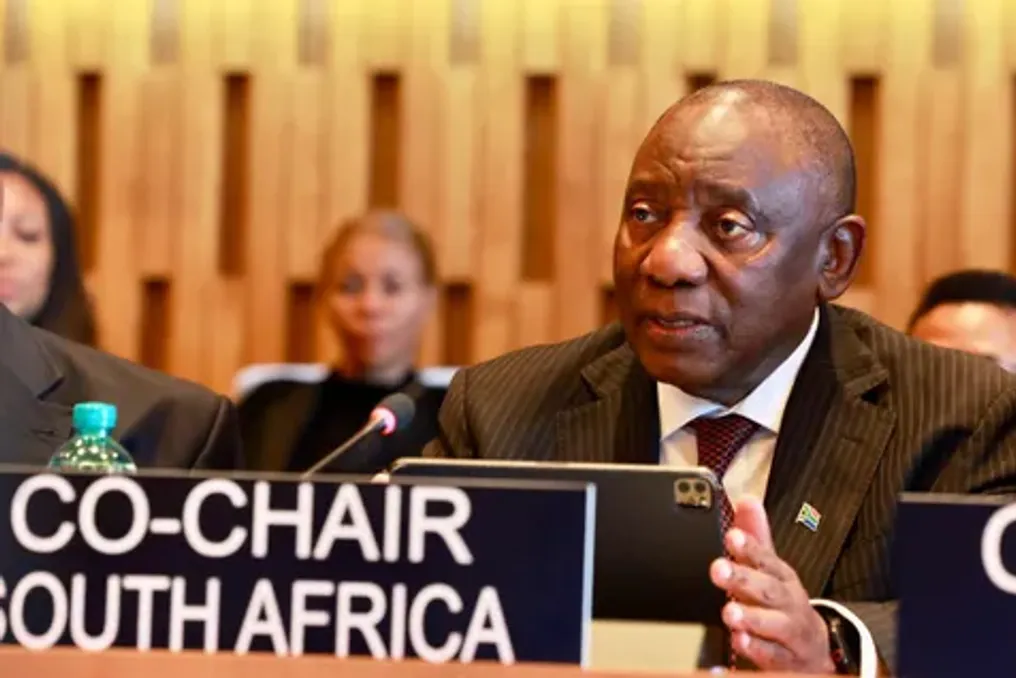
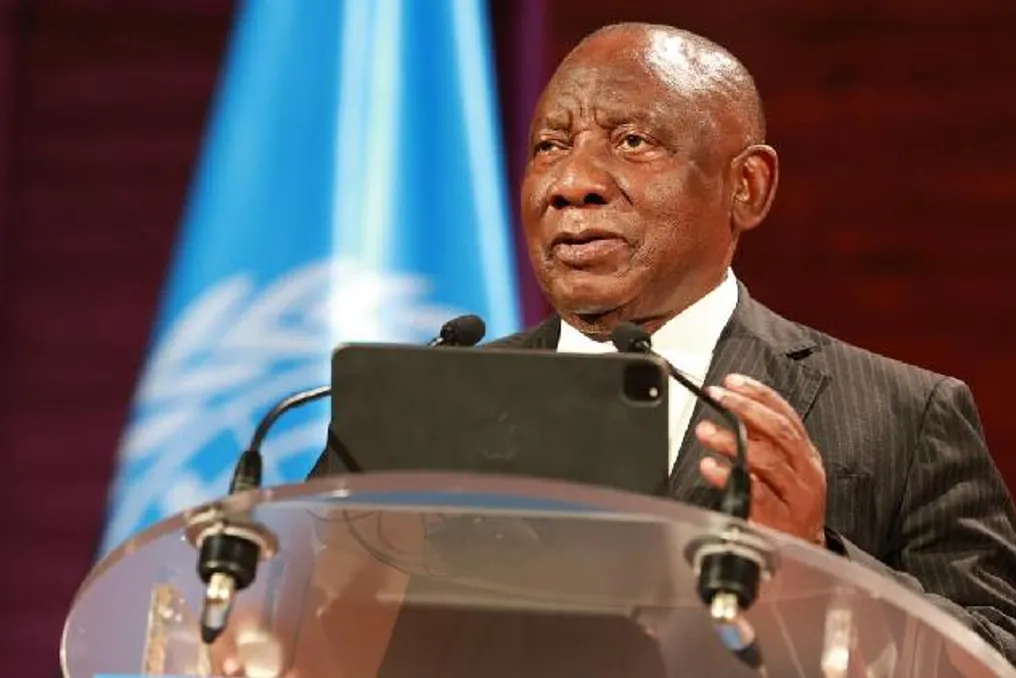
Speaking at the Summit on Education Transformation (TES+4) in Paris, Ramaphosa emphasized that the teaching profession is at the core of any significant transformation in education. However, he noted that educators worldwide continue to work under increasingly unbearable conditions.
Ramaphosa pointed to several systemic issues, including inadequate pay, insufficient professional development, excessive classroom workloads, and the severe emotional burden associated with the growing mental health crisis among youth. He stated that teachers are striving to fulfill their duties under extremely difficult circumstances.
The Need for Equity and Decisive Action
The South African President insisted that education transformation requires improving teachers' working conditions and restoring respect for the profession. He specified that achieving Sustainable Development Goal 4 depends on a clear and focused commitment to the principles of inclusivity and equality. This ensures that every student, regardless of gender, physical ability, place of residence, or socioeconomic status, has access to quality education.
Ramaphosa warned that without centralizing equity in global education policy, reforms might only reinforce existing structural inequalities. As the international community is halfway between the commitments made at the 2022 summit and the 2030 deadline, the South African leader stated that the time for minor policy adjustments has passed, demanding urgent and transformative measures to accelerate progress.
He stressed that now is not the time for routine changes or maintaining the status quo, but rather for bold, systemic transformation that will create more resilient, adaptive, and future-ready education systems. Ramaphosa added that true sustainability means building systems that are not 'fragile branches swaying in the wind, but strong forests with deep roots and the capacity for self-regeneration.'
Political Will and Funding
To achieve this vision, Ramaphosa believes diverse global efforts are necessary: consistent high-level political support, the implementation of innovative and sustainable funding sources, and the active inclusion of youth voices in policy formation.
Concluding his speech, Ramaphosa presented an example from his own country to demonstrate the potential of education in combating ignorance and unlocking human potential. Despite systemic challenges, South Africa recently achieved its highest rate of school completion in its democratic history. It is important to note that most students applying to university came from low-income backgrounds.
Ramaphosa noted that these young people will be able to realize their dreams at their chosen university, technical, or vocational college, highlighting the cornerstone of the country's social policy: education will be free.