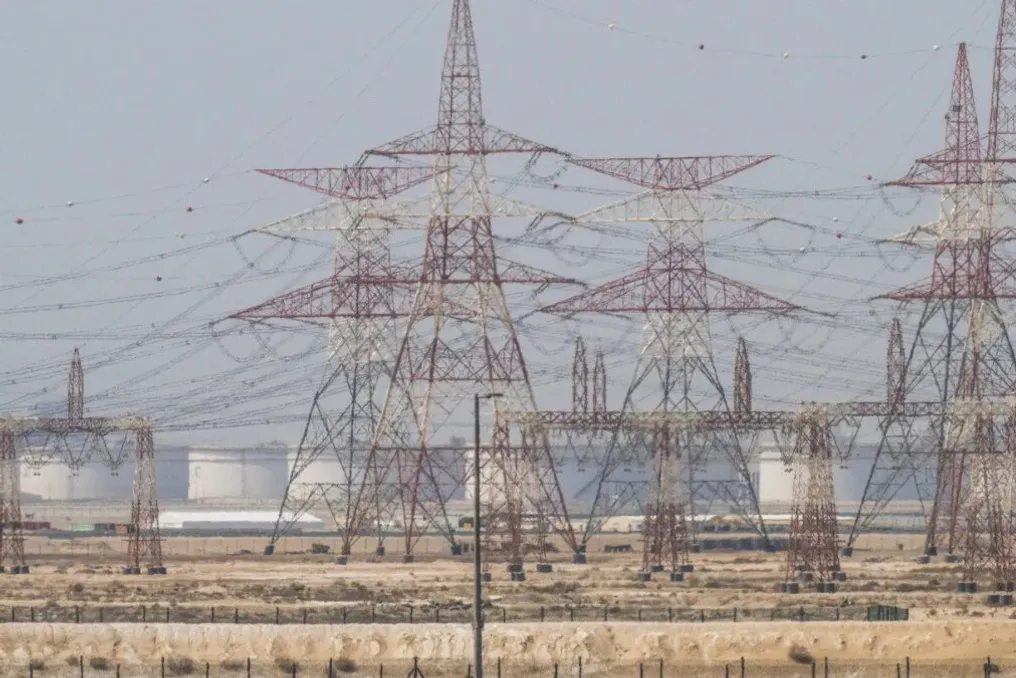
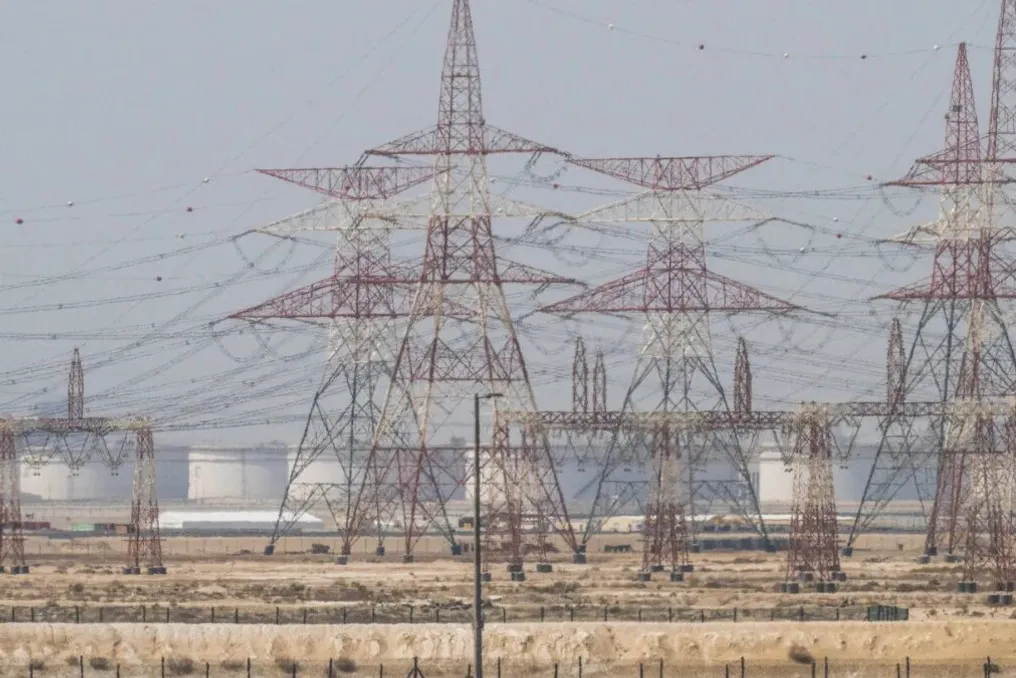
The oil production of the United Arab Emirates (UAE) reached a historic high last month. This growth occurred against the backdrop of weakening concerns regarding Iran's control over the Strait of Hormuz and thanks to the UAE's departure from the energy alliance led by Saudi Arabia, OPEC.
Production Growth and Indicator Comparison
According to a report by the International Atomic Energy Agency (IAEA), published on Friday, in June the UAE pumped 4.1 million barrels of oil per day (bpd). This is a significant increase compared to the average UAE production figure in 2025, which was 3.5 million bpd. The current volume exceeds the previous UAE maximum of four million bpd, recorded in 2020 when OPEC+ was engaged in a price war between Saudi Arabia and Russia.
Reasons for Increased Production
The sharp rise in output reflects analysts' view that Abu Dhabi had long felt constraints imposed by Saudi Arabia within OPEC. The UAE invested heavily in expanding production capacities but complained that Saudi Arabia hindered increased output to support prices. Abu Dhabi left OPEC in May as part of a broader rift with Riyadh, which includes disagreements over Yemen, Sudan, and Israel.
Reaction and Market Factors
The UAE's exit from OPEC was approved by the Trump administration, which closely monitors energy price increases amid the war between the US and Israel against Iran. The price of the international Brent benchmark rose above $100 per barrel at the peak of the war that began on February 28, but did not show the expected sharp rise despite the blockades imposed by Iran and subsequently the US in the Strait of Hormuz. Analysts note that prices were contained due to historical inventory releases by Western countries and China's decision to reduce crude oil imports by approximately 30 percent. The combination of increased supply and reduced demand served as a buffer for the global economy, although prices for petroleum products such as diesel fuel, aviation fuel, and liquefied petroleum gas rose.
Export and Circumvention of Restrictions
Buyers in Asia, who are heavily dependent on Persian Gulf energy resources, faced much higher prices than consumers in the US and Western Europe. The IAEA warned in its report that while crude oil is returning to the market, Gulf petroleum products remain below half of pre-war levels. Nevertheless, the UAE's ability to maintain exports highlights how the country managed to bypass Iranian control over the Strait of Hormuz. The UAE has a pipeline ending in the port of Fujairah that allows it to avoid the Strait of Hormuz, although the country remains vulnerable to Iranian drone attacks.
Reuters reported in June that the UAE paid Iran billions of dollars in exchange for the cessation of attacks on the country. This was an unexpected turn for the Gulf state, which during the war participated in dozens of attacks against Iran jointly with the US and Israel. Maritime intelligence experts claim that the UAE is also shipping oil through the Strait of Hormuz on 'shadow' vessels, having disabled their transponders. The Gulf state possesses its own fleet of tankers and has approached ship owners willing to risk Iranian strikes for higher freight rates.