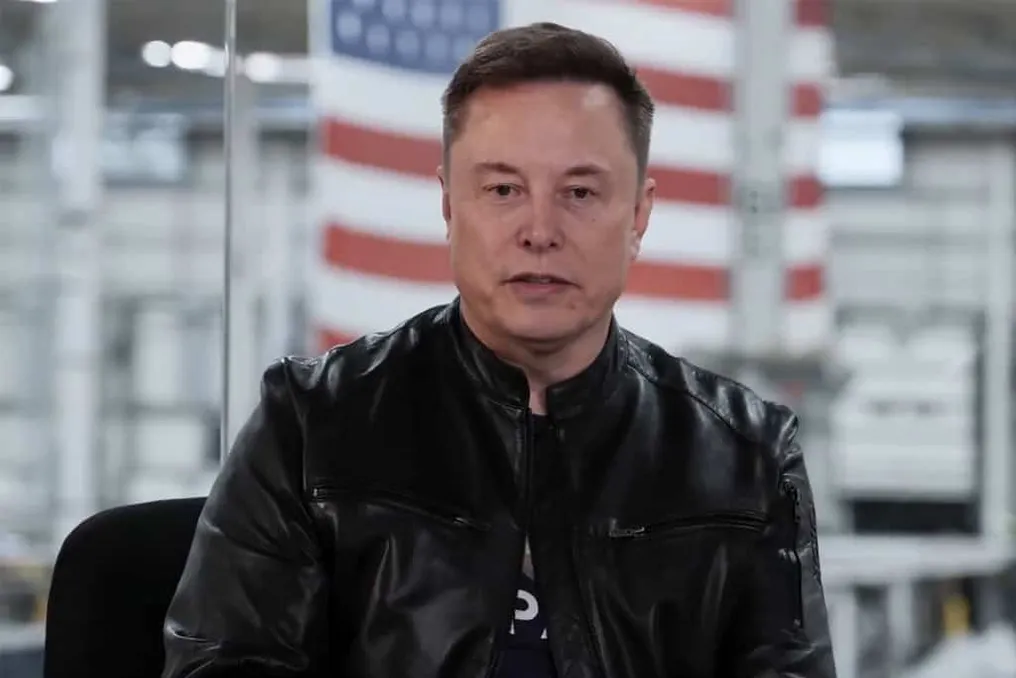
SpaceX has expressed its intention to substantially expand its satellite internet network. The company, led by Elon Musk, filed a request with the Federal Communications Commission (FCC), the US regulatory body, to operate a constellation composed of up to 100 thousand next-generation satellites in low Earth orbit.
Expansion of Current Infrastructure
According to information provided by astronomer and satellite tracker Jonathan McDowell, this proposal refers to a future version of Starlink, named Gen3. Approval of this initiative would result in a considerable increase in the company's space infrastructure, which already holds a dominant position in the satellite internet market.
Currently, SpaceX operates nearly 10.8 thousand Starlink satellites in orbit and has FCC authorization to launch approximately 4 thousand more. Since the beginning of the project, over 12.4 thousand satellites have been sent into space, with about 11 thousand remaining active.
Launch Rate and New Models
The company's growth rate remains accelerated. In the first half of 2026 alone, the company managed to place 1,589 Starlink satellites into low Earth orbit, surpassing the 1,489 launched in the same period of 2025. In the previous year, the company reached its annual record by dispatching 3,180 satellites.
The new models planned for the Gen3 constellation will feature much larger dimensions than the current ones. According to the request submitted to the FCC, each unit will have an estimated weight between 2 thousand and 2.5 thousand kilograms and will use solar panels with an area ranging between 300 and 400 square meters. For comparison, the currently used Starlink V2 Mini satellites weigh about 800 kilograms and have approximately 116 square meters of solar panels.
The increase in dimensions also implies a change in the company's launch methodology. V2 Mini satellites are sent in groups of up to 29 units using the Falcon 9 rocket. However, the Gen3 models are considered too large for this vehicle and will have to rely on Starship, SpaceX's reusable heavy-lift rocket developed for future missions to Mars, the Moon, and other large-scale operations.
Ambitious One Million Satellite Project
Parallel to the expansion of the internet constellation, the company is developing an even grander project. Musk has already presented plans for Starmind, a network designed to contain up to one million satellites that would serve as data processing centers in orbit, intended for artificial intelligence applications.
In an update published on the SpaceX website in February of this year, Musk stated: 'Launching a constellation of one million satellites operating as orbital data centers is a first step toward becoming a Kardashev Type II civilization, capable of harnessing all the power of the sun, while supporting AI-based applications for billions of people today and ensuring the multiplanetary future of humanity.'
Competition for these mega-constellations also includes other space industry corporations, such as Amazon and Blue Origin, which are developing similar initiatives to provide global connectivity through low-Earth orbit satellites.
Environmental and Scientific Concerns
However, the accelerated advancement of these networks has generated apprehension among scientists and various organizations. Among the main issues raised are the growing accumulation of objects in Earth orbit, potential interference with astronomical observations, effects on the atmosphere, risks to wildlife, and changes in night sky visibility.