Uzbekistan and Kuwait held discussions on prospects for deepening interaction in the field of labor migration. The meeting took place in Tashkent, Uzbekistan.
Uzbekistan and Kuwait held discussions on prospects for deepening interaction in the field of labor migration. The meeting took place in Tashkent, Uzbekistan.
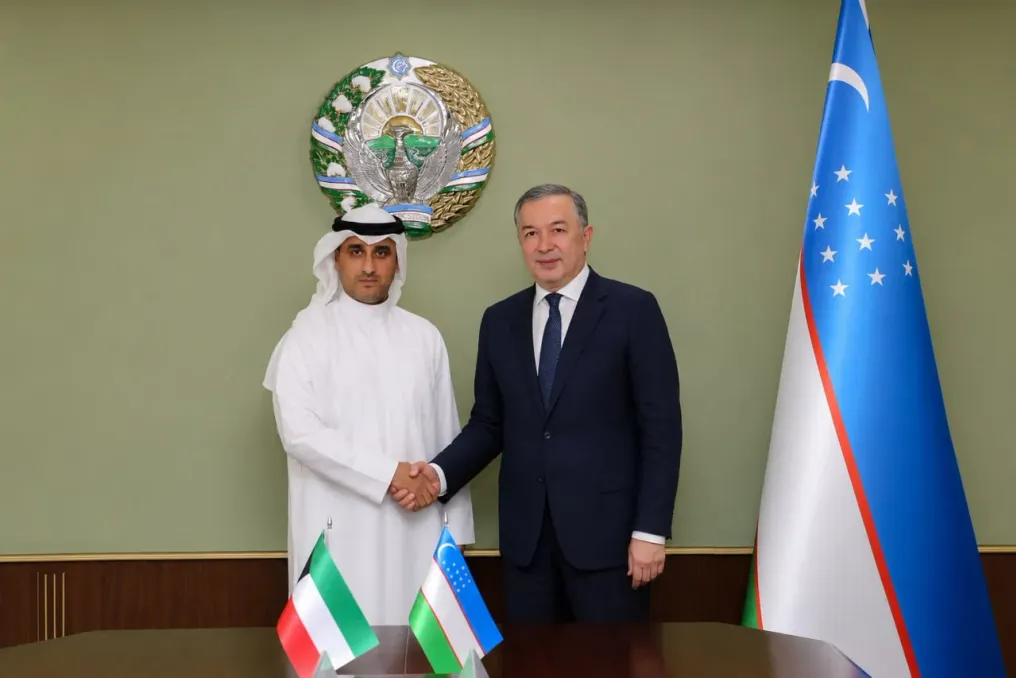
The issues were discussed by Bekzod Musaev, Director of the Migration Service of Uzbekistan, and Turki Khalid Hamad Al-Mikrod, the Kuwaiti Ambassador to Uzbekistan. The main focus was on training and attracting qualified specialists from Uzbekistan to work in the Kuwaiti labor market.
During the negotiations, opportunities for employment in sectors such as healthcare, services, as well as engineering and electrical engineering were reviewed. Furthermore, the parties discussed the need for a clearer definition of requirements for potential employers.
The Kuwaiti Ambassador highly praised the system established in Uzbekistan for preparing specialists for work abroad. He emphasized that partnership with the Migration Service is of great importance for strengthening bilateral ties. Turki Khalid Hamad Al-Mikrod stated: 'I highly value the system created in your country for preparing specialists for employment abroad. Cooperation with the Migration Service is also very important to us. I would be pleased to contribute to strengthening cooperation between Kuwait and Uzbekistan in the field of labor migration.'
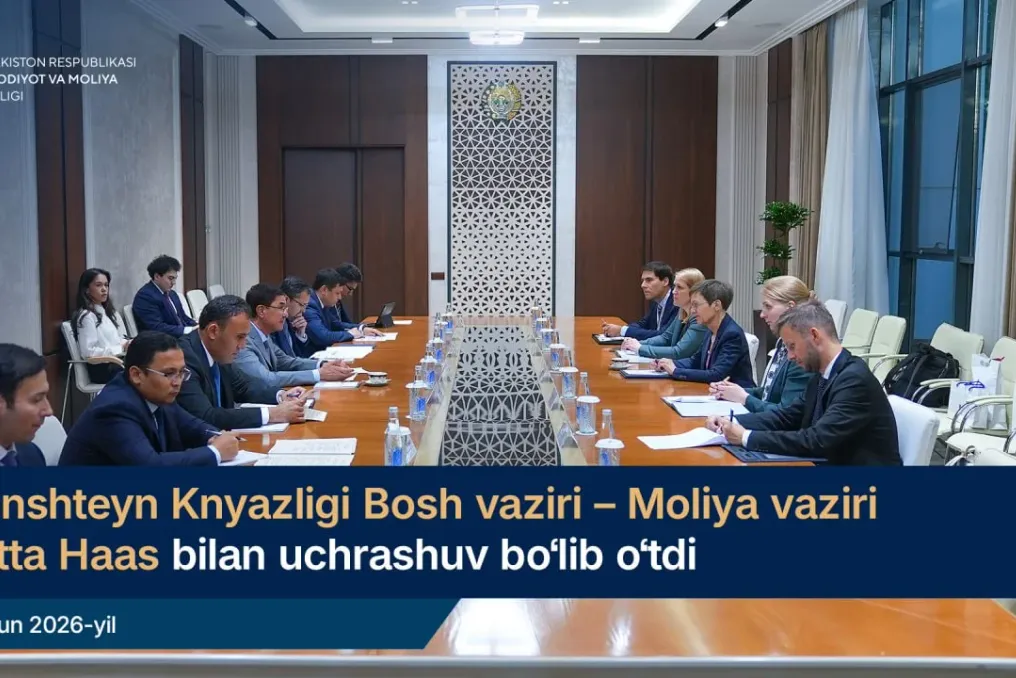
Delegations from Uzbekistan and Liechtenstein held a meeting to discuss prospects for strengthening trade, economic, and investment cooperation. The negotiations took place on June 30, 2026, during the regular meeting of the Swiss Circle of the International Monetary Fund and the World Bank.
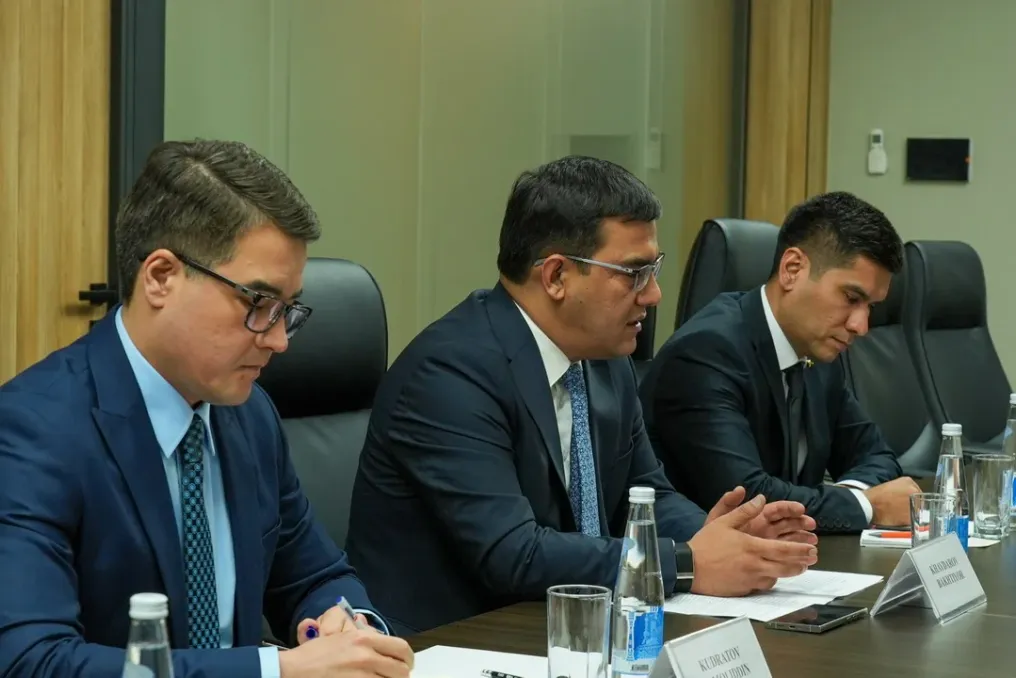
The negotiations were attended by Brigitte Haas, Prime Minister and Minister of General Government and Finance of the Principality of Liechtenstein, and Jamshid Kuchkarov, Deputy Prime Minister and Minister of Economy and Finance of the Republic of Uzbekistan. Eva Beck, Secretary General of the Ministry of General Government and Finance of Liechtenstein, Daniela Sele, Senior Advisor to the ministry, Timur Ishmetov, Chairman of the Central Bank of Uzbekistan, Ilhom Norkulov, First Deputy Minister of Economy and Finance of Uzbekistan, and other officials were also present at the meeting.
During the discussions, the parties reviewed issues of developing trade, economic and investment interaction, as well as opportunities for interaction in the financial sector and other areas of mutual interest. Special attention was paid to the gradual expansion of economic ties, attracting investments, and implementing joint projects.
Representatives of the Liechtenstein delegation noted the growing interest of their country's private sector in the economy of Uzbekistan. They emphasized the significant potential for further cooperation, including the participation of companies operating in the construction and medical sectors. At the end of the meeting, the parties agreed to maintain dialogue and continue developing practical cooperation in areas of mutual benefit.
The Agency for Industrial Cooperation and Public Procurement of Uzbekistan and the international organization The Asia Foundation (TAF) held a meeting to discuss prospects for joint work. The goal of the discussions was to improve the public procurement system, strengthen institutional potential, and develop interaction between science, education, and industry.
The meeting took place on June 30, 2026, at the Agency for Industrial Cooperation and Public Procurement. The Agency's director presented information on reforms being carried out in Uzbekistan aimed at improving the state procurement system, developing industry, supporting science and innovation, and increasing human capital.
In turn, representatives of The Asia Foundation familiarized the Uzbek side with the organization's activities in the Asia-Pacific region, its priority areas, and current programs.
During the negotiations, the parties paid special attention to increasing transparency and integrity in public governance and the public procurement system. The implementation of advanced international experience in corruption prevention and the application of modern management methods were discussed.
Participants also discussed organizing training programs, advanced professional development courses, trainings, and seminars. Mechanisms for exchanging experience with the involvement of international experts to strengthen the institutional potential of state bodies and specialists in the field of public procurement were considered.
A separate issue concerned the possibilities of implementing joint initiatives within the framework of U.S. Department of State programs. These programs aim to develop partnerships between universities, research institutes, and industrial enterprises, as well as to implement the results of applied scientific research in production, support technology transfer, and form an innovation ecosystem.
At the end of the meeting, the parties agreed to develop practical cooperation in the specified areas, implement joint projects to strengthen institutional potential, and continue constructive dialogue.