The historic participation of the Uzbekistan national team in the FIFA World Cup attracted immense attention from the international audience, prompting state structures to launch an active campaign to promote the country's tourism image. Nevertheless, it remains unclear what the exact financial cost of this performance was.
Searching for Expenditure Data
Unified estimates are absent in open sources, making it impossible to assess the total cost of preparing the team, including expenses for flights, accommodation, training camps, staff salaries, and other organizational costs. The editorial team of Podrobno.uz attempted to reconstruct this picture by studying the international experience of financing national teams, analyzing government procurement, and official statements.
An official request was sent to the Uzbekistan Football Association (UFA) to obtain information on the expenses related to the national team's participation. A response was received on July 7th. UFA confirmed the existence of the requested documents but refused to provide them, citing that most of the information is protected by confidentiality clauses stipulated in contracts. The Association stated that disclosing this data could negatively affect the commercial interests of partners, the terms of agreements, as well as violate personal data and existing contractual obligations, referencing Article 10 of the Law 'On the Principles and Guarantees of Freedom of Information.'
Financing: FIFA vs. Countries
Not all expenditure burdens fall on the state budget or the football association. According to the World Cup regulations, both the host nation and FIFA cover basic conditions for participants. Specifically, FIFA pays for international flights of the official delegation within the established quota (up to 50 people), organizes internal logistics between stadiums, hotels, and training bases, provides training grounds, and ensures the delegation's accommodation in hotels designated by the organizers.
Furthermore, FIFA covers costs associated with running the tournament itself: accreditation system operation, security at official venues, medical support during matches, volunteer activities, and operational needs of the infrastructure. Practically all other expenses are borne by the national association or the state. These include preparatory camps, rental of additional bases, expansion of delegations, flights for players and staff outside the official quota, accommodation for additional personnel, medical and analytical staff, insurance, equipment purchase, equipment transportation, as well as bonuses for players and coaches.
Differences in the final cost of each team's participation are determined by the duration of preparation, the size of the delegation, the level of payments, and the distance to the tournament venue. International analysis shows that most football federations do not publish the total cost, instead providing only individual components, such as government subsidies or bonus amounts.
International Financing Experience
Nigeria serves as an example, having allocated approximately 2.8 billion Nigerian Naira (equivalent to about 8-9 million dollars at that time) for the preparation and participation of its team before the 2018 World Cup. Public disputes arose after the tournament regarding the spending of these funds. Ghana's history at the 2014 World Cup became a financial scandal: to prevent a boycott, the government urgently sent about 3 million US dollars in cash via a charter flight to Brazil to pay promised bonuses, while Ghana's total government expenditure for that World Cup amounted to about 9 million dollars.
In some European countries, such as Germany, the football association previously announced bonuses, for instance, 400 thousand euros for each player for winning the 2022 World Cup, and also provided payments for advancing to various playoff stages. Associations of England, France, and Australia use a similar practice. Other federations, like the Japan Football Association, publish annual financial reports, but these documents do not allow for isolating a specific expense item for World Cup participation.
Uzbekistan's Income from Participation
When assessing costs, revenues must also be taken into account. Qualifying for the World Cup guarantees payments from FIFA to the national football association, compensating for part of the expenses. Initially, in December 2025, the FIFA Council approved a package of $727 million for 48 participants, which assumed a minimum guaranteed payment of $10.5 million per team ($9 million for participation and $1.5 million for preparation).
However, less than two months before the start, FIFA adjusted the financial program, increasing the total payout volume to $871 million. Consequently, the guaranteed payment for each team increased to $10 million for qualification and participation, plus $2.5 million for preparation. Additionally, subsidies and ticket quotas were provided totaling over $16 million. Thus, the Uzbekistan Football Association was guaranteed to receive no less than $12.5 million from FIFA, excluding compensation for delegation support.
FIFA's prize money system provides different amounts depending on the placement: teams ranked 33–48 receive $10 million, Round of 16 participants (ranks 9–16) receive $15 million, quarterfinalists receive $19 million, the fourth-place team receives $27 million, the bronze medalist receives $29 million, the silver medalist receives $33 million, and the world champion receives $50 million. It is important to note that FIFA transfers the funds to the national association, and the manner of their distribution (among organization, bonuses, or infrastructure development) is determined by the federation itself.
Positive Effect on the Country
The impact of the first appearance on the world stage proved multifaceted. The World Cup became a major platform for presenting Uzbekistan not only as a sporting power but also as a tourist destination. Parallel to the matches, the Tourism Committee launched an international advertising campaign that reached over 1.07 billion views. More than three thousand foreign media outlets published materials about Uzbekistan, and the total audience engagement exceeded 52 million interactions.
According to the Tourism Committee, interest in the query 'Uzbekistan' increased by 40%, and queries related to travel to the republic increased by another 10%. Publications about tourism potential appeared in leading global publications such as BBC, ESPN, MSN, The Guardian, Fox News, Daily Mail, NDTV, and VnExpress. Promotion was also carried out offline: national stands were set up in the host cities of the World Cup, cultural events and fan zones were organized to introduce foreign fans to the culture and opportunities of the republic. Special attention was paid to presenting Uzbekistan at Atlanta International Airport.
Despite all achievements, the full calculation of the cost of Uzbekistan's participation in the World Cup remains unavailable because the Football Association refused to disclose financial documents, citing confidentiality, and a unified estimate is not available in the public domain.
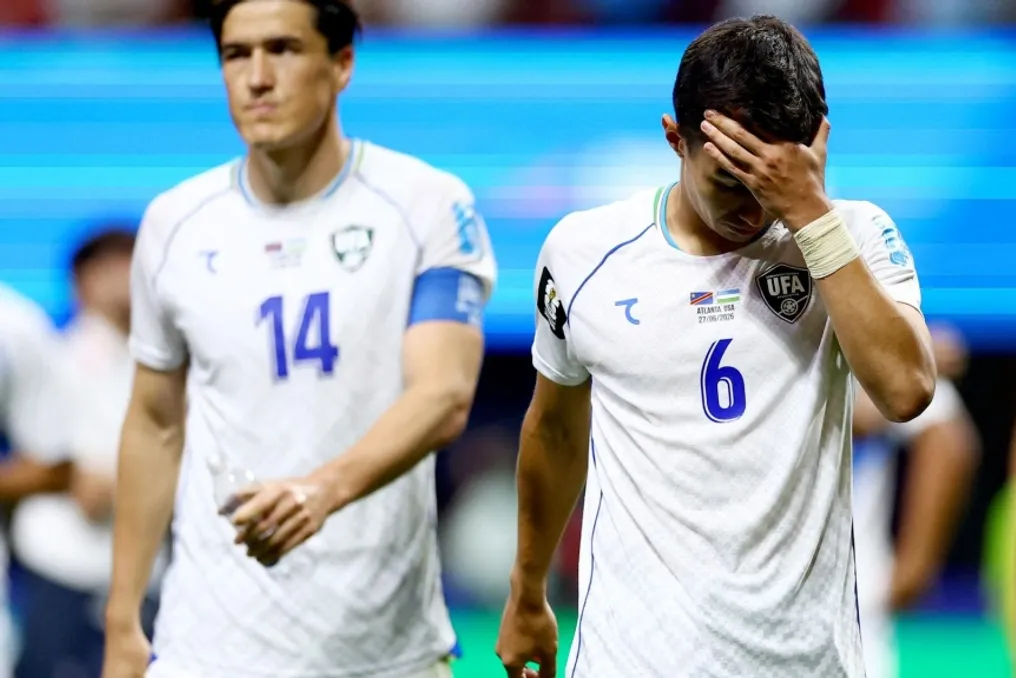
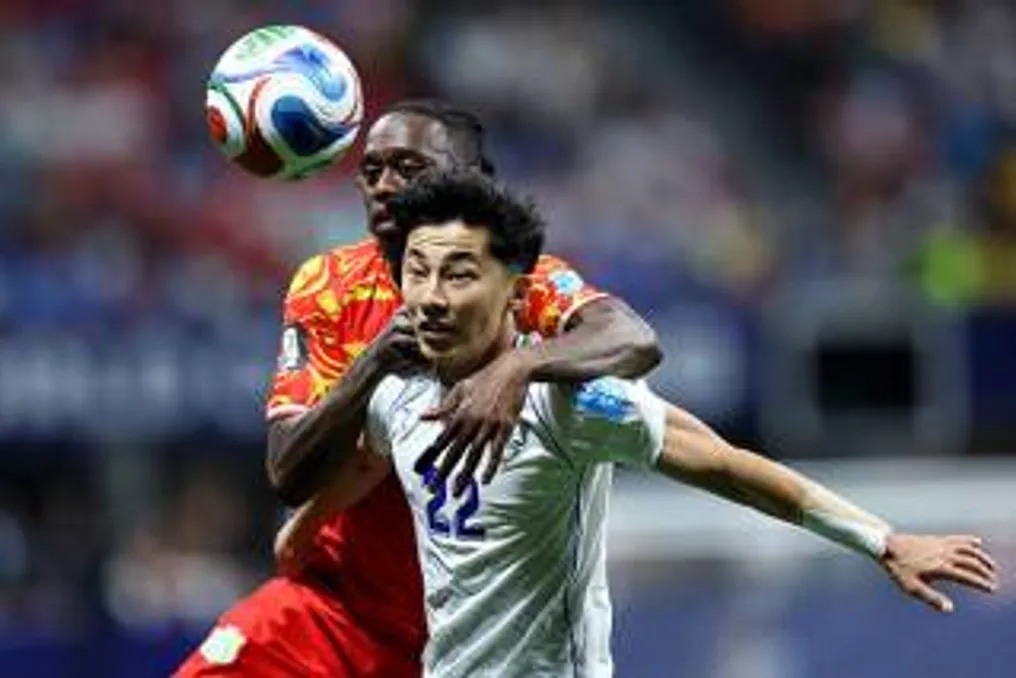
The Uzbekistan national team played in the last group stage match of the World Cup against the DR Congo national team. Despite the representatives of Uzbekistan opening the score in the 25th second of the match, the goal was disallowed due to offside. In the 10th minute, Eldor Shomurodov scored a beautiful goal after an assist from Abbozbek Faizullaev. In the 68th minute, Yan Vissa equalized the match by scoring a penalty. However, 10 minutes after this goal, the Congo team took the lead, and in the last minute of regular time, Vissa scored a brace. The final score of the match was 3:1 in favor of DR Congo, which allowed them to advance to the playoffs.