President of Kazakhstan Kassym-Jomart Tokayev ratified the agreement on joint management of transboundary water bodies with Uzbekistan and the rational use of these resources.
President of Kazakhstan Kassym-Jomart Tokayev ratified the agreement on joint management of transboundary water bodies with Uzbekistan and the rational use of these resources.
This document was signed in Tashkent on November 15, 2025. It aims to ensure fair and reasonable use of transboundary water resources between the two states, as well as to guarantee the reliable and safe operation of water management facilities.
Within this agreement, an intergovernmental commission will be established to manage transboundary water bodies between Uzbekistan and Kazakhstan. This commission will systematically review issues related to the use of common water resources, the operation of transboundary hydraulic structures, and ensuring their safety.
Furthermore, the parties intend to improve information exchange in the field of water use, coordinate actions for water resource management, and develop mutually beneficial cooperation.
The agreement serves as an important legal basis for the effective use of transboundary water resources, reducing risks associated with water scarcity, preventing potential disagreements, and strengthening regional water partnership.
The agreement, concluded between the governments of Uzbekistan and Kazakhstan, was approved by Uzbekistan. On March 6, 2026, Decree of the President of Uzbekistan No. PQ-88 'On the Approval of the International Treaty' was adopted.
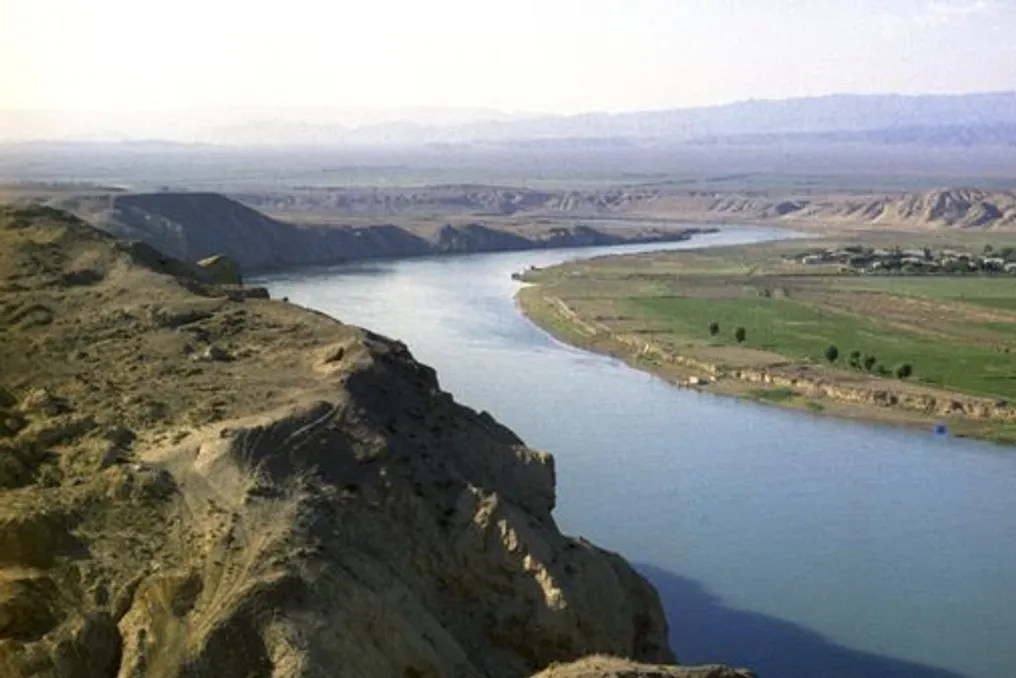
It should be noted that Uzbekistan and Kazakhstan jointly utilize transboundary water resources in the Syr Darya River basin. These water resources are critically important for both countries, as they are used for irrigating agricultural crops, providing water to the population, generating electricity, and maintaining ecosystem stability.
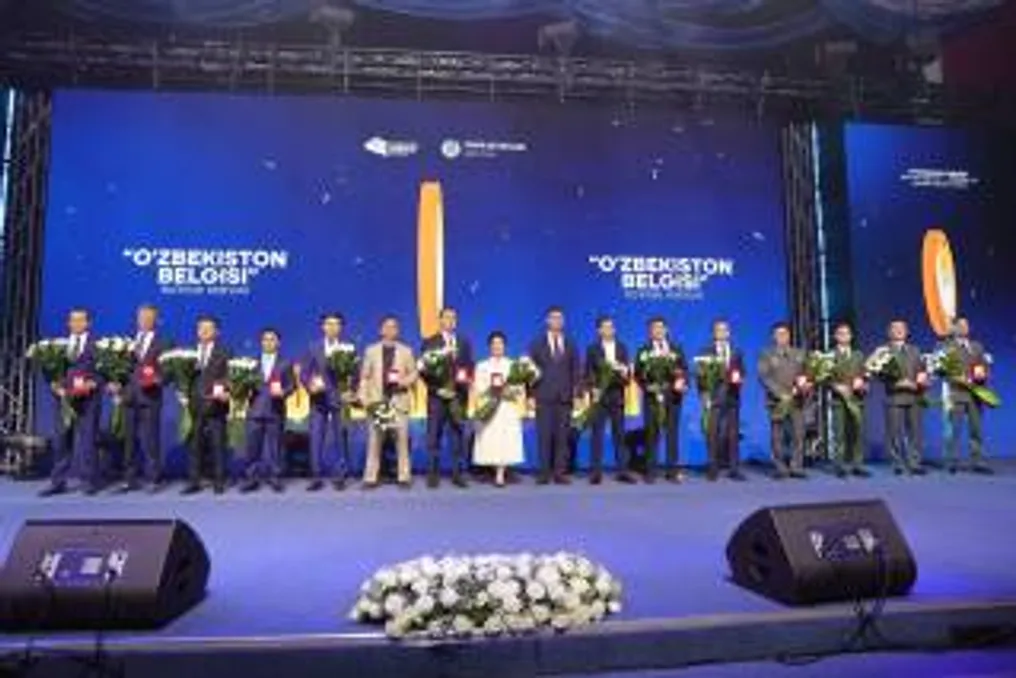
At 'Yoshlar Ijod Saroyi' in the capital, a group of specialists who make a huge contribution to developing our country's potential in various fields were awarded the 'Uzbekistan Sign' badge.
Among the awardees, representatives who make a worthy contribution to the development of physical culture and sports in the country, participating in promoting the glory of our homeland and unlocking the potential of youth on international sports arenas, were particularly noted.
These individuals include Deputy Minister of Sport Avazjon Karimov, Secretary of the National Olympic Committee of Uzbekistan Oibek Qosimov, Vice President of the Eurasian Equestrian Association Bahromjon Goziev, Uzbekistan national team footballers Abbosbek Faizullaev, Abdukodir Husanov, Behruz Karimov, as well as Parvina Abdiyeva, founder of the 'Young Athlete Volunteers' project.
This high recognition is of great importance as it is dedicated to actions aimed at developing the sports sphere and the Olympic movement in the country, attracting youth to physical activity and a healthy lifestyle, and increasing the prestige of Uzbek sports on the world stage.
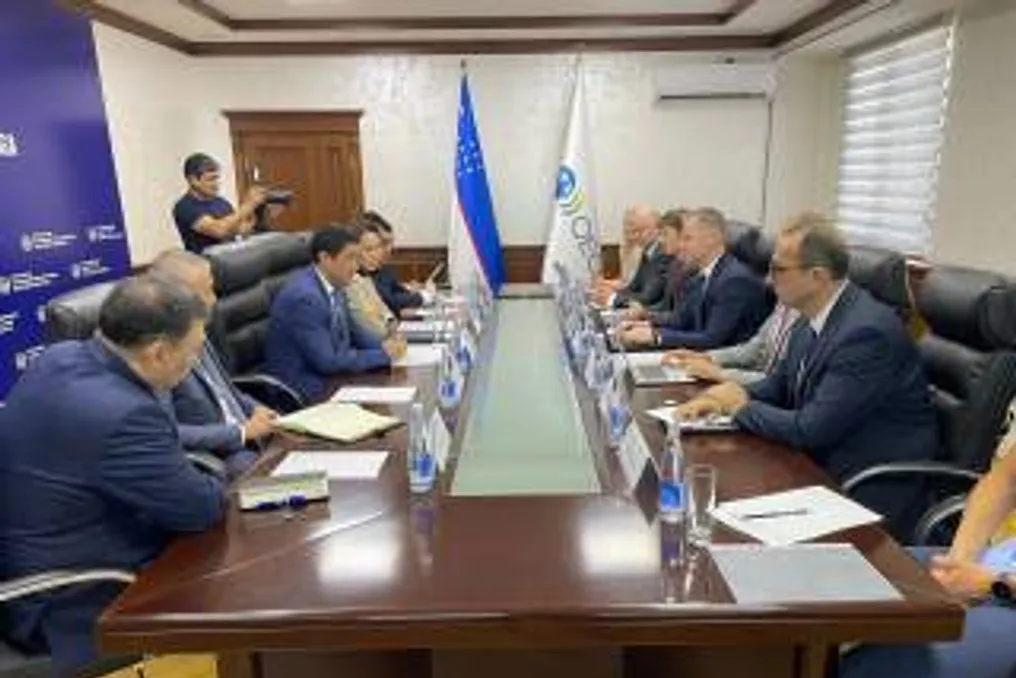
The second stage of monitoring under the Istanbul Action Plan for Anti-Corruption in Eastern European and Central Asian Countries, conducted by the Organisation for Economic Co-operation and Development (OECD), has begun in Uzbekistan.
This process is an important step to evaluate the effectiveness of the country's anti-corruption policy and determine its compliance with international standards. On the occasion of the start of the monitoring, Akmal Burkhonov, Director of the Anti-Corruption Agency, met with Ivan Presnyakov, Head of the OECD monitoring group. During the discussion, issues regarding the effective organization of this process were addressed.
The monitoring is carried out with the participation of the OECD, the European Bank for Reconstruction and Development, the Asian Development Bank, as well as experts from Ukraine, Latvia, and Lithuania. Activities conducted in 2025 are being analyzed across nine key areas: anti-corruption policy, conflict of interest and asset declaration, protection of corruption whistleblowers, integrity in business and public procurement, independence of courts and prosecutor's offices, specialized anti-corruption institutions, and accountability for corruption crimes.
At the official opening ceremony, particular attention was paid to the legislative and institutional reforms implemented in subsequent years. It was emphasized that the strengthening of the national system occurred through the adoption of the 'Conflict of Interest' Law and new legislative changes aimed at increasing accountability for corruption crimes, within the framework of the State Program for Combating Corruption for 2025–2026. Furthermore, the concept of 'corruption crimes' was legally enshrined in national legislation for the first time, and an electronic register of persons who committed such crimes was introduced.
Reforms aimed at developing the compliance control system within the scope of the monitoring are also under close scrutiny by international experts. According to the new legislation, the legal status of compliance and internal anti-corruption control units has been strengthened. A requirement has been established for the creation of such units in all state bodies and organizations, and additional guarantees have been provided for their independent operation.
It should be noted that following the first stage of the Istanbul Action Plan monitoring in 2024, the country received a high rating among Central Asian states for its policy in the field of axiomatic fight against corruption. Based on the results of the current monitoring, it is expected that international experts will develop new recommendations and offer technical assistance to Uzbekistan.
The head of state signed a law aimed at further strengthening the guarantees of children's rights in several legislative acts of the Republic of Uzbekistan, as well as improving the system for protecting women who are victims of threats and violence, on July 1, 2026.
In accordance with this law, amendments and additions were made to some legal acts. These amendments include the concept of the best interests of the child and guarantees for their provision.
The best interests of the child are determined based on their upbringing in the family, well-being, safety, health, access to education, comprehensive and harmonious development, personal integrity, dignity, freedom of thought, speech, and beliefs, as well as their social and moral interests and individual characteristics, while being established with the participation of the child and taking into account their opinion, as stipulated by international treaties, the Constitution, and laws.
The social protection agency developed a system of institutions, specifically rehabilitation and adaptation centers for women, which have been granted the authority to represent the interests of victims of threats and violence in court, file lawsuits without paying state fees, and participate in court hearings as their representative.
Furthermore, it was established that placing a victim of threats and violence in special centers is grounds for issuing them a temporary certificate of inability to work for a period of up to one month.
The law came into force on July 2, 2026, the day of its official publication.