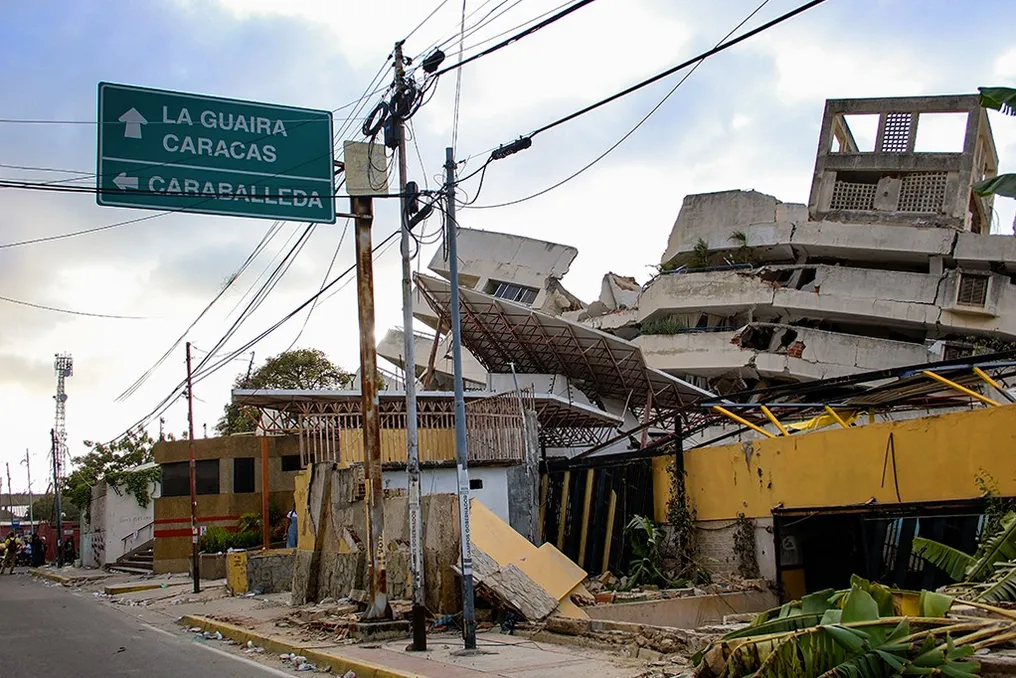
A recent study revealed that virtually all Brazilian municipalities have been affected by some type of environmental disaster in the last thirty years. Phenomena such as droughts, floods, landslides, and storms have impacted almost the entire municipal population of the country.
Analysis of climatic events
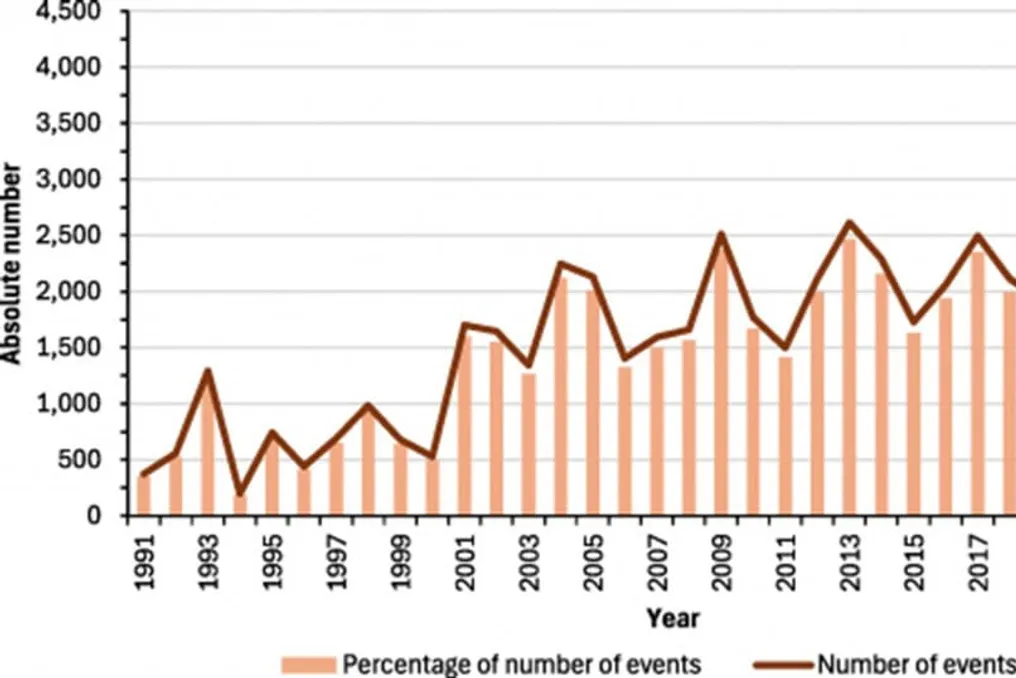
The research was conducted by specialists from the National Center for Monitoring and Early Warning of Natural Disasters (CEMADEN), the University of São Paulo (USP), and the National Institute for Space Research (INPE). The researchers examined approximately 60,000 records of occurrences related to flash floods, flooding, inundations, landslides, storms, and droughts. The results indicated that 91.5% of Brazilian cities registered at least one hydrogeological disaster in the period between 1991 and 2024.
Geographical distribution of impacts
The study, published in the journal Environmental Research Letters, sought to establish patterns to aid in formulating public policies aimed at preventing, adapting to, and mitigating the effects of extreme weather events. 5,570 municipalities were evaluated, with 1,814 of them facing at least three distinct categories of disasters during the analyzed period. Furthermore, 270 municipalities recorded occurrences of all studied phenomena.
The Northeast region was the most impacted in terms of the number of affected cities, followed by the Southeast, South, North, and Central-West regions. The researchers also detailed the human and economic damages: the Southeast led in the number of fatalities related to floods, inundations, flash floods, and landslides; the South recorded the most fatal victims in storms; and the Northeast accumulated the highest number of deaths associated with drought.
Regarding financial damage, the South showed the largest losses caused by floods and inundations. In the Northeast, the biggest losses came from droughts and landslides, while the Southeast suffered the greatest damage due to storms.
Recent cases and total costs
Among the recent incidents mentioned, the rains that hit São Sebastião, on the northern coast of São Paulo, during Carnival 2023, resulting in at least 60 deaths, stand out. Another climate tragedy cited was the one that occurred in Rio Grande do Sul in May 2024, where storms affected about 2.3 million people in 471 municipalities and caused over 180 deaths.
Overall, the 59,658 analyzed disasters resulted in a minimum of 4,774 deaths, 3,031 missing persons, and direct impacts on more than 129.7 million Brazilians. Estimated economic losses exceed US$123.8 billion. However, the authors warn that the actual impact may be higher, given that the research was based on the Integrated Disaster Information System (S2iD) and the Digital Disaster Atlas in Brazil, both fed by the municipalities themselves.
The researchers point out that not all events are documented, either because local administrations manage the crisis without requesting federal aid, or due to restrictions in data collection. It was also identified that current systems do not use a multi-risk view; when one disaster generates another (such as a flood causing landslides), usually only one event is recorded, which compromises the accuracy of impact assessment. Failures in classifying causes of death during these episodes were also observed.
Socio-environmental disasters
According to Elton Vicente Escobar Silva, a researcher at CEMADEN and the study's first author, disasters should not be attributed solely to climate change. He seeks to demystify the notion that such events are supernatural or caused by disproportionate forces. Although there are exceptions unpredictable by climate models, in most cases, national agencies like CEMADEN issue warnings and authorities are notified of potential risks. The core of the problem, according to him, lies in negligence, lack of infrastructure, and inertia. Therefore, the events were classified as socio-environmental disasters, as there is an aggravating anthropogenic factor, linked not only to climate change but also to deficiencies in public administration.
Silva emphasizes that despite Brazil's progress in creating disaster databases, challenges remain in improving monitoring. A survey by the National Confederation of Municipalities mentioned in the study indicates that about 1,660 Brazilian cities still lack an organized civil defense structure, which affects both the response to extreme events and the quality of collected information. The National Secretariat for Civil Protection and Defense (SEDEC) informed the researchers that it is developing a new version of S2iD and the Digital Disaster Atlas, which will allow recording events with a multi-risk approach and keep data updated even after federal emergency recognition.