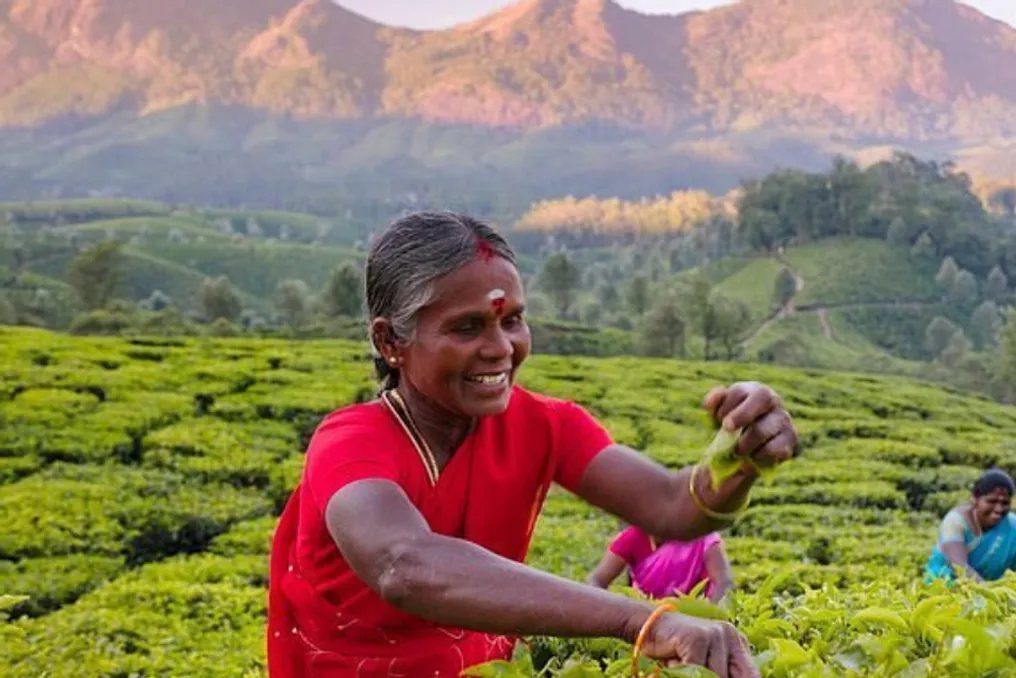
Nothing brings more comfort than a sip of hot tea against the sound of rain tapping on the window. However, if you have ever wondered where this beverage begins, the monsoon season is the perfect time to find out.
Nothing brings more comfort than a sip of hot tea against the sound of rain tapping on the window. However, if you have ever wondered where this beverage begins, the monsoon season is the perfect time to find out.
When rains pour down on the hills of India, tea plantations transform into endless carpets of emerald green. Mist drifts over the neatly trimmed bushes, the air fills with freshness, and life slows down enough to notice the small details: the rhythmic picking of tea leaves, conversations over steaming tea, and stories hidden in old estates.
If you are looking for a refreshing getaway during this monsoon, these six tea-growing locations deserve a spot on your travel list.
Nowhere is the magic of the monsoon conveyed as vividly as in Munnar. Located in the Western Ghats, this hill town comes alive when clouds of rain cover its hilly tea gardens. Every turn of the road reveals a breathtaking view of misty hills and lush green plantations.
Visitors can visit the Tea Museum to learn about tea cultivation and processing, stroll through extensive estates, or simply stop to watch the clouds drift over the landscape. Munnar encourages slowing down and enjoying the atmosphere rather than rushing between attractions.
Darjeeling is known not only for its atmosphere but also for its world-renowned tea. Here, you can wake up admiring views of the Himalayas, ride the famous toy train, and end the day with a cup of freshly brewed drink overlooking vast tea gardens.
Several estates, including Happy Valley Tea Estate, host guests for tours that allow a closer look at the process of growing, picking, and processing Darjeeling tea. It is a place where conversations linger, and time seems to move slower.
If there is a place that defines the Indian tea industry, it is Assam. It hosts the country's largest tea-growing region, whose vast plantations stretch to the horizon, especially around Jorhat and Dibrugarh.
Unlike mountain resorts, the tea estates of Assam occupy wide, open landscapes along the mighty Brahmaputra River. Many plantations also offer organized tours, allowing guests to trace the journey of tea from freshly picked leaves to the cup.
Known as the Blue Mountains, the Nilgiris combine cool climate, winding roads, and hilly tea gardens into one unforgettable landscape. Whether exploring Ooty or the quieter town of Coonoor, during the monsoon season you will find mist-covered plantations.
One can visit a tea factory, taste freshly brewed Nilgiri tea, or simply stop at one of the numerous viewpoints to admire the scenery. The slow pace of life here is part of the charm of this region.
If you enjoy combining nature with adventure, Wayanad offers the best of both worlds. Its tea estates are surrounded by forests, waterfalls, and misty hills, making even a short trip picturesque.
Between plantation visits, you can explore ancient caves, take boat rides on Pookode Lake, or visit waterfalls that reach their splendor in the rainy season. Here, tea is just one part of a much larger experience.
Often overshadowed by more famous hill stations, Kangra Valley remains one of India's lesser-known tea gems. Situated against the backdrop of the dramatic Dhauladhar range, its peaceful tea gardens offer stunning mountain views without the usual crowds.
You can walk through quiet estates, taste characteristic regional teas, and chat with local producers whose families have cared for these plantations for generations. If you are looking for a quieter retreat during this monsoon, it is worth discovering Kangra Valley.
Perhaps the best souvenir this monsoon will not be a magnet or a postcard. It will be the memory of standing among endless green hills, breathing in the scent of rain-soaked earth, and realizing that every cup of tea carries the story of the landscape, its people, and the hands that carefully nurtured every leaf.