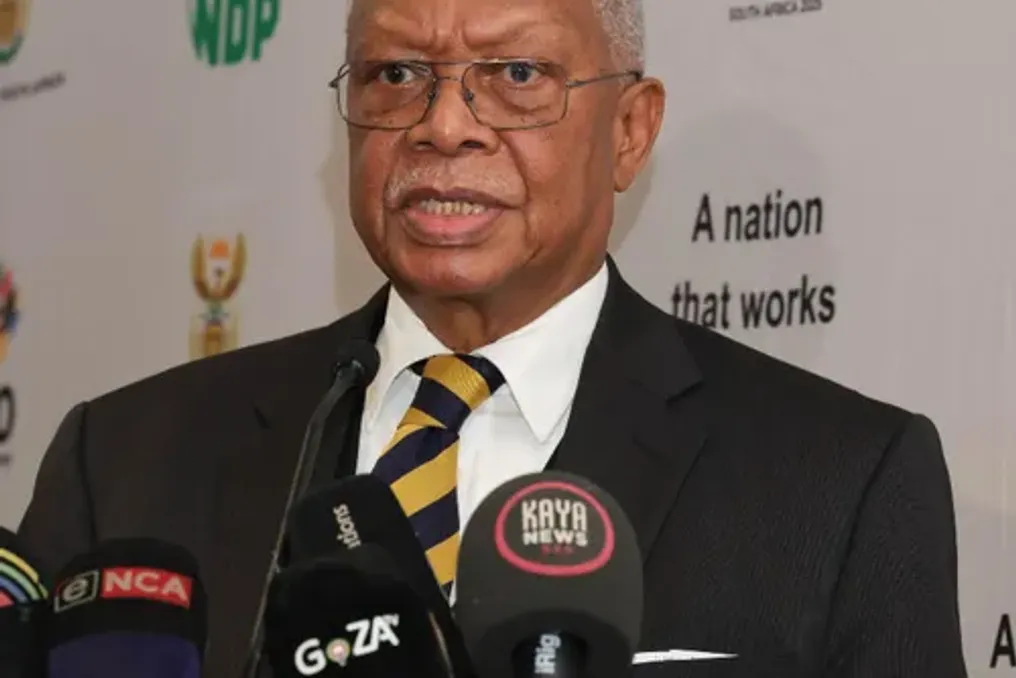
Professor Thole Mokoena, the Health Ombudsman, issued a statement regarding acute problems in South Africa's public healthcare system following the investigation into the tragic deaths of six healthcare workers in KwaZulu-Natal. He strongly called for immediate reforms and increased support for medical personnel.
Findings of the Investigation and Reactions from Stakeholders
The investigation conducted by the Health Ombudsman concerning the deaths of the six specialists elicited mixed reactions. Medical organizations, the public sector union, and the DA party agreed that the report exposes serious deficiencies in the public health system, but they disagree on the conclusion that workplace harassment contributed to these deaths.
Although Professor Thole Mokoena did not find a direct link between the deaths and workplace harassment, persecution, or poor working conditions, those reacting to the report noted that it highlighted deeply rooted issues requiring urgent government intervention.
Demands of the Medical Association
The South African Medical Association (SAMA) stated that the report must serve as a basis for significant transformations. The Chairperson of SAMA, Dr. Mvusi Mzukwa, noted that even if the death of these doctors was not caused by working conditions, thousands of other healthcare workers continue to work under precarious conditions.
He added that the findings confirm concerns that SAMA has voiced for years regarding the deterioration of the public health sector. Mzukwa emphasized that provincial health departments cannot continue to freeze vacancies, expecting that fewer specialists will serve more patients with limited resources, assuming there will be no consequences.
Staff Pressure and Recommendations
One of the key findings of the investigation was that many doctors, especially interns, felt pressured not to take sick leave for fear of extending their internship or increasing the workload on colleagues. This underscores the need to improve employee well-being programs. Mzukwa stated that no doctor should feel that taking care of their own health comes at the expense of patients or colleagues, as a system that does not allow its doctors to become patients is under severe strain.
He strongly urged national and provincial health authorities to immediately implement the Ombudsman's recommendations. Mzukwa stressed that the report should not remain just a dusty document; every recommendation must be accompanied by clear implementation plans, measurable deadlines, and accountability.
Positions of DA and PSA
The DA party in KwaZulu-Natal welcomed the report, noting that it clarified an issue of widespread public concern following the deaths of six healthcare workers working in provincial hospitals. Provincial Health Representative Dr. Imran Kika stated that while the investigation excluded a direct link between the deaths and workplace harassment or adverse conditions, the findings should not be interpreted as an endorsement of the province's healthcare system. Kika warned that this should not be construed as a clean report on the health status of the KZN healthcare system, but rather as a mandate for the urgent implementation of the Ombudsman's recommendations and the resolution of long-standing problems undermining staff well-being and patient care.
However, the Public Service Union (PSA) expressed 'deep disappointment and concern' with the Ombudsman's finding that excluded workplace harassment as a contributing factor to the deaths of healthcare workers in KwaZulu-Natal. While acknowledging the role of the Ombudsman, the union stated that the findings overlooked the impact of a toxic work environment, intimidation, persecution, excessive workload, and inadequate management practices on staff mental health.
The PSA also criticized its exclusion from the investigation and noted that public health workers continue to face chronic staff shortages, resource scarcity, increasing patient flow, and insufficient psychosocial support. The union warned that the findings might discourage healthcare workers from reporting harassment and abuse, and called on the KwaZulu-Natal Department of Health to strengthen anti-harassment measures, improve confidential reporting channels, expand employee well-being services, and hold managers accountable in cases of persecution or abuse of power.
General Systemic Issues
The investigation was initiated after Minister of Health Dr. Aaron Motsoaledi and former Chairperson of the Parliamentary Health Committee Dr. Sibongiseni Dhlomo expressed concern following the deaths of healthcare workers at Prince Mshiyeni Memorial, Addington, Port Shepstone, Ngwelezane, Benedictine, and Vryheid hospitals. Although the investigation found no evidence of a direct link between the deaths and working conditions, it revealed widespread problems in the public health sector, including staff shortages, frozen vacancies, excessive workload, shortage of medical equipment and consumables, inadequate employee well-being services, outdated infrastructure, and safety issues. The Ombudsman recommended strengthening employee well-being programs, improving staff support services, enhancing oversight and accountability, and addressing safety concerns. Monitoring the implementation of these recommendations will be carried out by the Healthcare Standards Compliance Directorate.