Heavy rain in Mitchells Plain left Dillon Giordano without any source of income for the day. For twelve years, his survival depended on small change that taxi and car drivers left him for washing minivans. These coins were used to fund a severe heroin addiction, keeping him in a daily cycle of withdrawal and despair.
A Turning Point in Life
One afternoon, the taxi stops became quiet, slow, and empty; the streets were cold, and Giordano found himself at a dead end. He recalled: 'Every day was dedicated to surviving the next few hours. There was no vision of the future, no sense of identity, and very little hope.'
At that moment, a friend gave him a small piece of paper—a Mi-change voucher. The friend told him it could be exchanged for hot food and dry clothes at the nearest U-turn service center. Giordano entered the center, expecting only temporary relief from the cold weather.
A New Support System
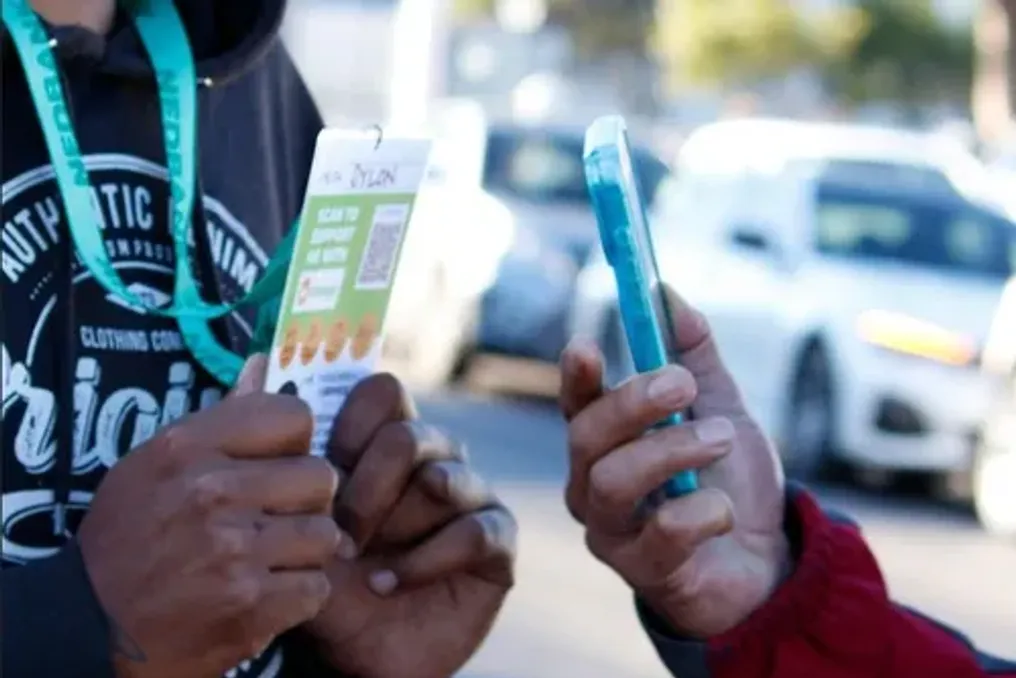
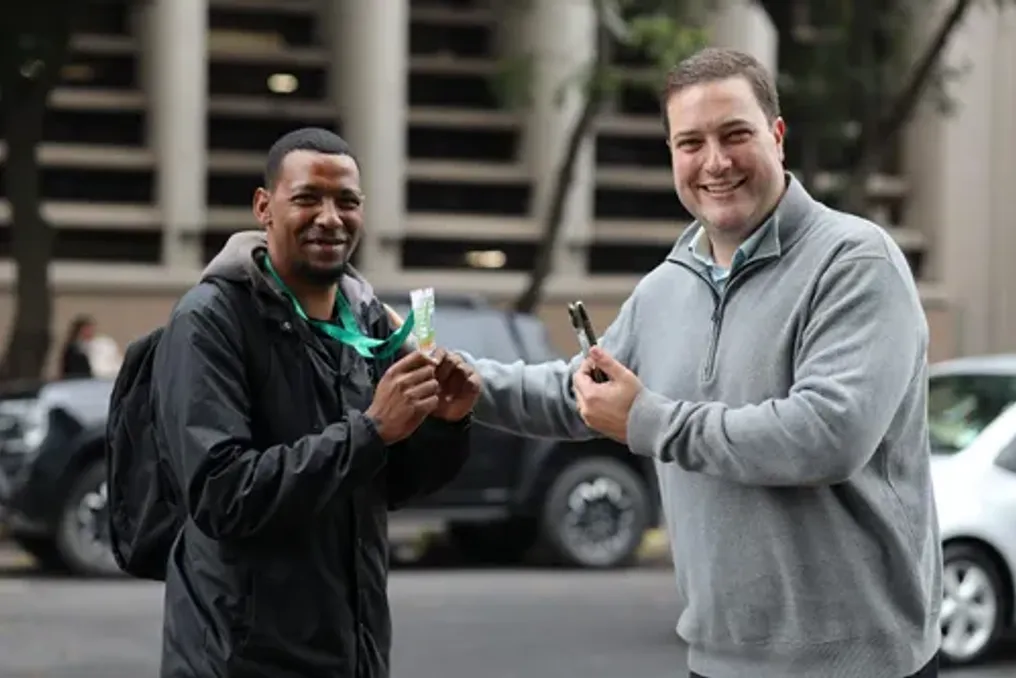
Today, Giordano has been sober for three years, lives independently, and works as an administrator at Mi-change. In the winter, he helps implement a major system update that helped him get off the streets. Mi-change, in collaboration with U-turn Homeless Ministries and Mould Empower Serve (MES), is transitioning from paper vouchers to a fully cashless system. Registered homeless individuals now wear badges with a unique SnapScan QR code.
For Giordano, the true value of this system lies in how it channels the natural empathy of Cape Town residents into an actionable mechanism. From his personal experience, he knows that South Africans want to help people they see at intersections every day.
From Pity to Transformation
Giordano emphasized that instead of just wanting to help, it is more important to ask: 'How can we help in ways that lead to real, long-term transformation?' For him, the answer began with receiving the Mi-change voucher on a rainy day. He admitted that compassion for strangers had unintentionally kept him trapped. The R2 and R5 coins given to him through car windows paid for drugs that caused him to sleep on the pavement.
He noted that homelessness is often linked to deeper issues such as addiction, trauma, unemployment, relationship problems, and mental health. While giving cash may stem from compassion, it does not always promote long-term change and can sometimes unconsciously support harmful cycles, as happened to him.
The Path to Recovery
When Giordano presented his voucher at the U-turn center, things changed. He received food and clothing, but the staff also invited him to participate in the center's basic daily activities. This allowed him to earn more vouchers to meet his needs the next day, and for the first time in many years, he felt like a person, not a problem.
This single contact became a bridge to a job readiness program, where he learned retail and coding skills, ultimately completing a full-stack web development course with an average score of 84%. Slowly, he rebuilt the trust of his family, which his addiction had destroyed.
Call to Action
Now, seeing drivers interacting with people wearing Mi-change badges, he hopes they will choose the option that saved his life. Giordano urges: 'When you see someone with a Mi-change badge asking for money, give them one or two vouchers. That way, they will have the opportunity to make changes, just like me.'
The digital Mi-change voucher works as follows: a donor uses SnapScan to scan the QR code on a person's badge to purchase a R15 voucher. Each such voucher is equivalent to one necessary service, giving the recipient access to food, shelter, clothing, or a safe place to sleep. These vouchers can be used at all MES and U-turn service centers and shelters.