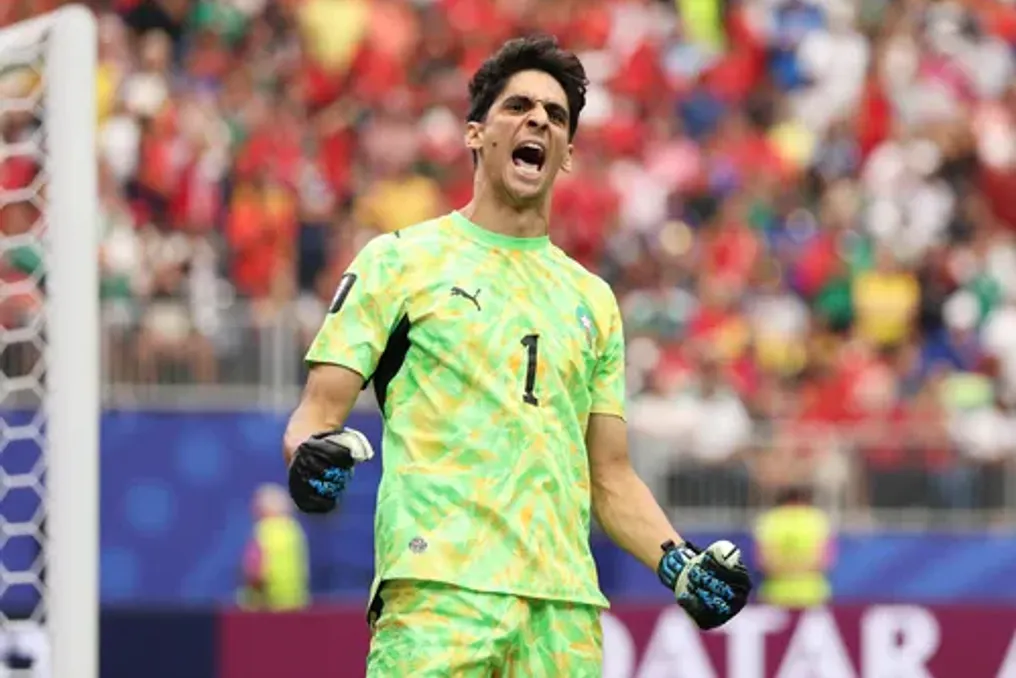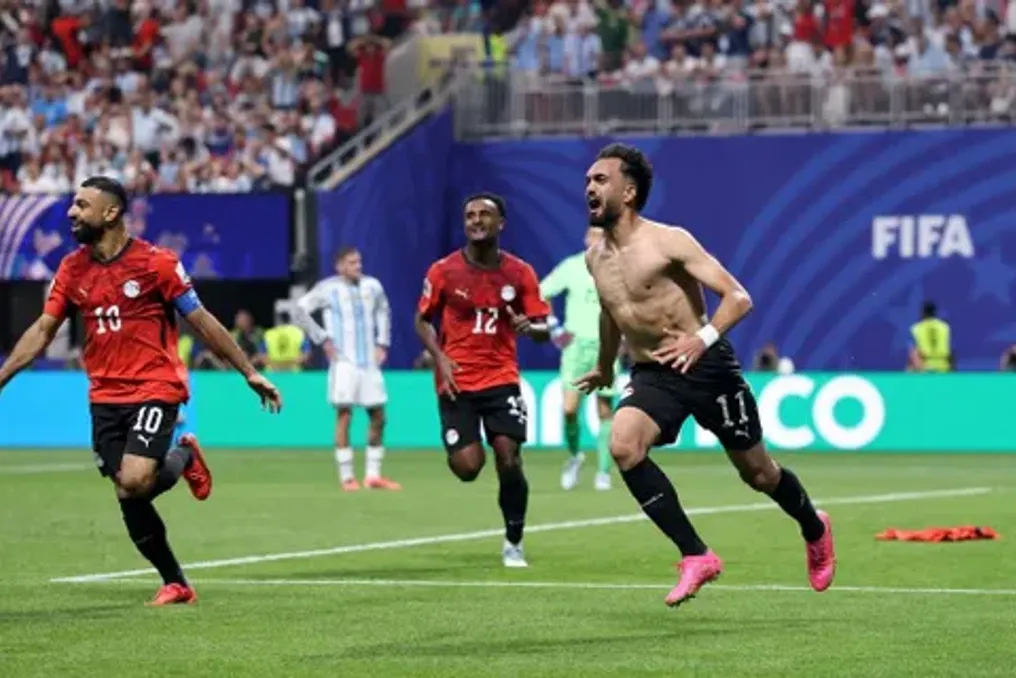
Recent events at the 2026 World Cup, including Egypt's controversial exit from the quarterfinals and Morocco's defeat to France, marked the conclusion of Africa's participation in the tournament held in North America.
Achievements at the Tournament
Morocco's elimination ended the dream of the Atlas Lions, leaving this nation as the last African team to participate in the tournament, which brought both progress and disappointment to the continent. Although Morocco's exit means no African representative in the semi-finals, their participation showed that the gap between African football and traditional global powers continues to narrow.
The 2026 World Cup demonstrated Africa's strongest collective performance in history, as nine out of ten continental representatives managed to advance from the group stage to the playoffs. This result is a significant shift in itself, as for decades, African teams struggled only to qualify for the first round.
New Standard of Performance
Qualifying from the group stage is now more of an expectation than an achievement. The previous continental record for the number of teams in the playoff stage at one World Cup was only two. This tournament broke that record, allowing Algeria, Cape Verde, Côte d'Ivoire, DR Congo, Egypt, Ghana, Morocco, Senegal, and South Africa to reach the final 32 teams.
This reflects the growing depth of African football. South Africa's historic qualification, Cape Verde's debut tournament, and the consistent competitiveness of nations like Senegal and Morocco prove that Africa's rise is no longer limited to a few traditional contenders.
Remaining Challenges
Nevertheless, the playoff stage once again highlighted a persistent problem. The ability to compete is one thing; consistently beating the world's best is quite another. Several African teams showed sufficient quality to advance further but were defeated due to minimal errors. Senegal's collapse after leading against Belgium underscored the difficulty of managing key moments, while other exits raised questions about concentration and game management.
Coach of 'Bafana Bafana', Hugo Broos, noted during the tournament that lack of focus is one of the most serious issues affecting African teams.
Talent and Tactical Maturity
Paradoxically, the continent no longer lacks talent. Most African national teams currently play in major European leagues, competing with elite rivals weekly. The argument that African players lack sufficient experience or quality has lost its relevance.
The next stage of development must be based on tactical maturity, stability, and the ability to handle pressure in crucial match moments. Morocco demonstrated a viable plan of action: their historic appearance in the 2022 semi-finals changed perceptions of African teams' potential, and their continued competitiveness places them among the leading examples of structured development and organization on the continent.
However, the defeat to France also confirmed that Africa's journey is not yet complete. The continent has narrowed the gap by fielding more competitive teams and technically gifted players, and delivering more convincing performances on the biggest football stage. The next task is to turn these improvements into medals. Africa no longer needs to prove its right to be at the World Cup; the ambition now is to prove that it can go all the way.