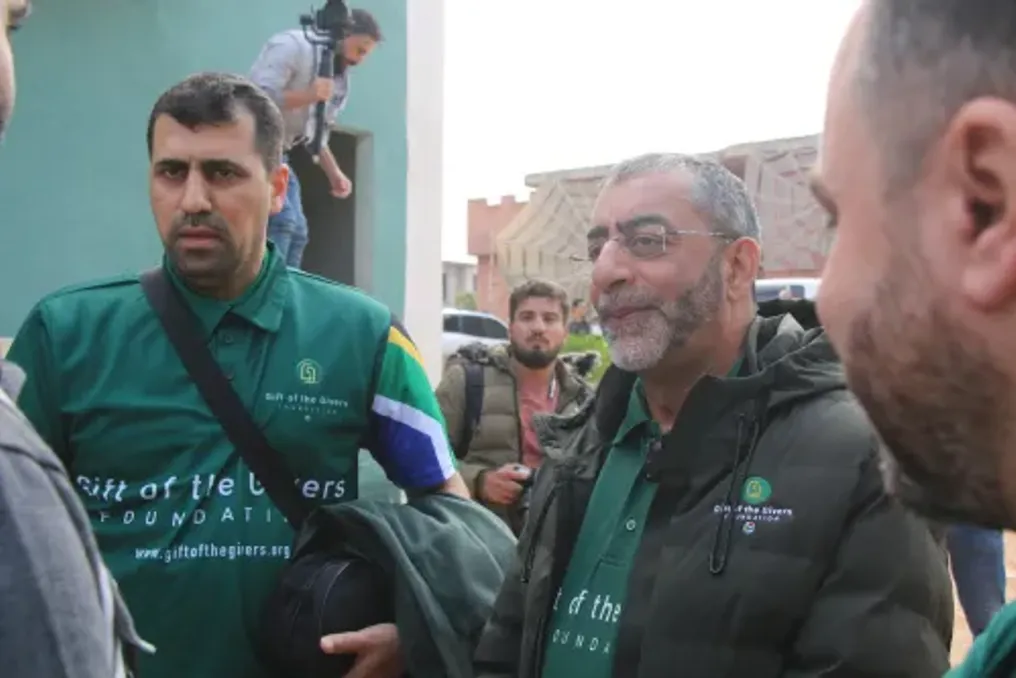
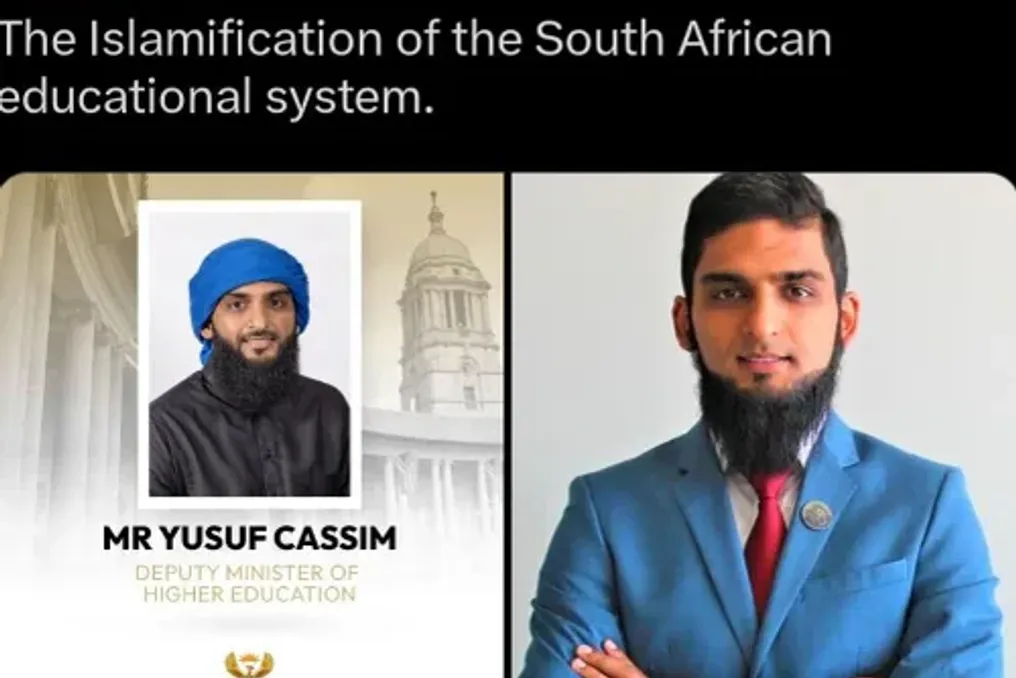
The Palestine Solidarity Campaign expressed deep concern over the rise of Islamophobia on social media. This increase was observed after members of the Muslim community provided aid to migrants allegedly affected by xenophobic attacks, and also following the appointment of Yusuf Kassim as Deputy Minister of Higher Education.
Reasons for the rise in hostility
PSC coordinator, Professor Usuf Chikete, stated that recent online attacks reflect a broader trend of anti-Muslim rhetoric. This rhetoric has intensified amid discussions about migration, Palestine, and South Africa's foreign policy.
Chikete asserts that 'Zionist networks' have long used Islamophobia as a tool, portraying anyone who exposes the genocide and apartheid in Israel as a security threat, masking such attacks with language of terrorism and disloyalty.
He pointed to the convergence of several factors fueling online hostility: anti-immigrant sentiments, criticism of South Africa's case at the International Court of Justice against Israel, attacks on Muslim humanitarian organizations, and criticism of public Muslim figures.
Threats to humanitarian work
Chikete added that organizations supporting Palestine have become frequent targets of coordinated campaigns aimed at undermining their work. He reported that the PSC, the Muslim Judicial Council (MJC), and other humanitarian organizations were subjected to smear campaigns and strategic lawsuits designed to silence them. Although he did not provide evidence, he also mentioned that some of the activity directed against Muslims might originate from automated accounts.
In connection with the recent PSC case in the High Court of Western Cape, Chikete claimed that Muslim protesters were facing Islamophobic persecution, and journalist Anwar Omar was attacked while covering the court proceedings. He also mentioned criticism directed at humanitarian worker Dr. Imtiaz Sulaiman, noting that attacks on aid workers demonstrate the politicization of humanitarian work.
Calls to action and public reaction
Chikete warned that online hostility can have consequences beyond social media, as persistent narratives linking Muslims to illegal immigration, terrorism, or divided loyalty can lead to the normalization of discrimination. He emphasized that South Africa knows from its history how dangerous dehumanizing narratives become when they move from social media into public life.
He criticized attempts to judge Muslims based on faith rather than actions, citing examples of attacks on Muslim charities, journalists, and government officials. Chikete stated that when Muslim charities are attacked for humanitarian work, and deputy ministers are criticized for being Muslim rather than for their track record, it sends a signal that Muslims must constantly prove their patriotism.
Calling for action, Chikete insisted that political leaders reject religious prejudice, social platforms consistently enforce their hate speech rules, and law enforcement investigates instances where alleged online incitement crosses into criminal offenses.
Views of analysts and politicians
Political and defense analyst Ryan Cummins also expressed concern over what he sees as an emerging pattern of hostility towards the Muslim community in South Africa, questioning whether this is a coordinated campaign to spread hateful and biased sentiments.
Following the announcement of Kassim's appointment, the Presidency noted the presence of elements of anti-Muslim sentiment on the ministry's social media. Tshwane candidate for mayor from the Democratic Alliance (DA), Kliers Brink, defended the Muslim community and Kassim, calling him a 'honest, hardworking public servant' and a 'proud member of this community,' adding that he 'does not need permission from anyone to serve his country.'
National spokesperson for the Economic Freedom Fighters (EFF), Sivanu Tambo, also condemned the online attacks on Kassim and expressed concern over the growing climate of religious intolerance. He noted that Kassim is a South African who attended the same school as him in Witzenheim (now Cariega) in the Eastern Cape. Tambo stated that the current atmosphere of hostility is unprecedented, comparing it to US-level Islamophobia, and called on everyone to condemn the attacks on this individual, regardless of whether they come from Zionists or people who believe half of South Africa's population are foreigners.