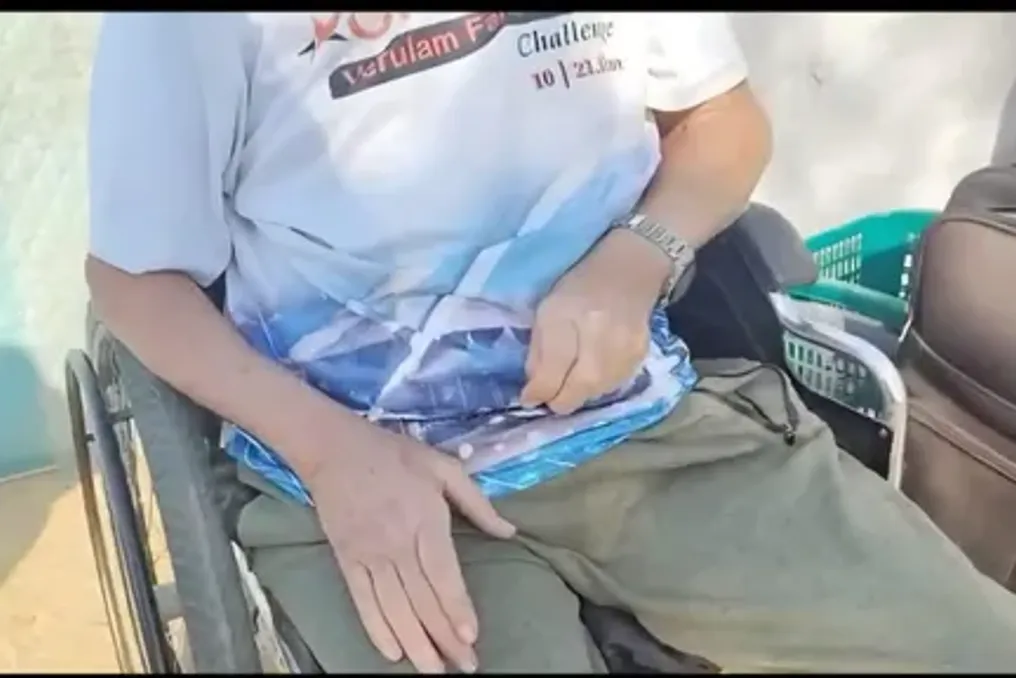
Two elderly brothers in Durban were freed from a life marked by neglect and financial exploitation thanks to the efforts of the local community, coordinated by the organization The Elders Voice KZN.
An anonymous call led to the rescue of the brothers from a hut in Malengazi, located south of Durban. One of them was in a wheelchair without necessary medication, and both were reportedly victims of financial fraud.
Joan Herbst from The Elders Voice KZN, which advocates for the rights of the elderly, reported that the situation was far worse than they could have imagined. One brother was medically frail, dependent on his pension, and confined to a chair. The hut was situated atop a steep earthen embankment, accessible only by navigating stones and passing between informal dwellings.
The organization stated that the person responsible for caring for the brothers had taken possession of the bank card and identification of the man in the wheelchair. This caregiver allegedly took out loans through loan sharks in the ward's name and withdrew money from his account without his consent.
Furthermore, it was alleged that despite having access to finances, the caregiver had not provided insulin for the man for over three months, even though he had medical insurance. His brother, who suffers from high blood pressure, was also allegedly deprived of medication for a long time.
Herbst recounted that she initially went there alone, admitting it might have been a difficult decision, but after assessing the situation, she realized help was needed. Vincent de Beer and Jabulani Ntenza from Gladiator Investigations, along with Neil Friedberg from Halfway 4x4, immediately offered their support.
The first step was contacting the South African police in Isipingo to request an escort, as resistance from the alleged caregiver was anticipated. Since transport had not yet arrived, the team proceeded cautiously, aware that they could not leave these two elderly men alone for another day.
After parking as close as possible, the group made the remaining journey, climbing the steep hill and crossing stones to reach the brothers. While the team calmly but firmly interacted with the alleged caregiver, Herbst entered the small hut. One brother was sitting with a bucket of dirty water, trying to wash his feet. He showed no anger and demanded nothing; he was frightened. His greatest fear was not leaving, but that they might be separated. She promised him this would not happen and that they would help him restore his SASSA affairs, replace documents, take him to the hospital and clinic, and ensure he received vital medication. Only then did he agree to go with them. She made the same promise to his brother in the wheelchair.
According to Herbst, as the brothers prepared to leave, the caregiver's only concern was what would happen to the outstanding loan. Without hesitation, Vincent, Neil, and Jabulani helped the brother in the wheelchair descend the incredibly steep embankment, and then climbed back up to retrieve his chair and belongings. They returned once more to carefully assist his brother in making the difficult descent from the hill.
Herbst noted that when they finally arrived at their new room, something wonderful happened: both brothers sat on the beds and simply leaned back onto the mattresses. For the first time, it seemed, in a very long time, they felt safe.
Further actions will include canceling bank cards, applying for new documents, reporting the suspected financial exploitation, restoring the brothers' pension access, organizing treatment, and ensuring medication intake.
Herbst strongly urged the public not to ignore suspicions of abuse. She emphasized that the mistreatment of the elderly is not always obvious; sometimes it is hidden behind a smile or the word 'caregiver'. She thanked everyone involved in the rescue, naming Vincent, Jabulani, and Neil from Gladiator Investigations and Halfway 4x4 as true heroes for their courage, compassion, and willingness to protect the most vulnerable members of society.