The IGAD Climate Prediction and Applications Centre (ICPAC), in collaboration with Action Against Hunger (ACF), has unveiled a new regional program. The initiative aims to protect approximately 250,000 people in Ethiopia, Somalia, and Djibouti from the combined effects of climate change and conflicts.
IMPAACT Project Details
The project, named Institutionalizing Interoperable Multi-Hazard Anticipatory Action (IMPAACT), is set for a duration of 24 months. It involves strengthening early response systems with support from $4.5 million in funding. This will ensure the timely application of climate forecasts and risk data to conduct humanitarian interventions before disasters strike.
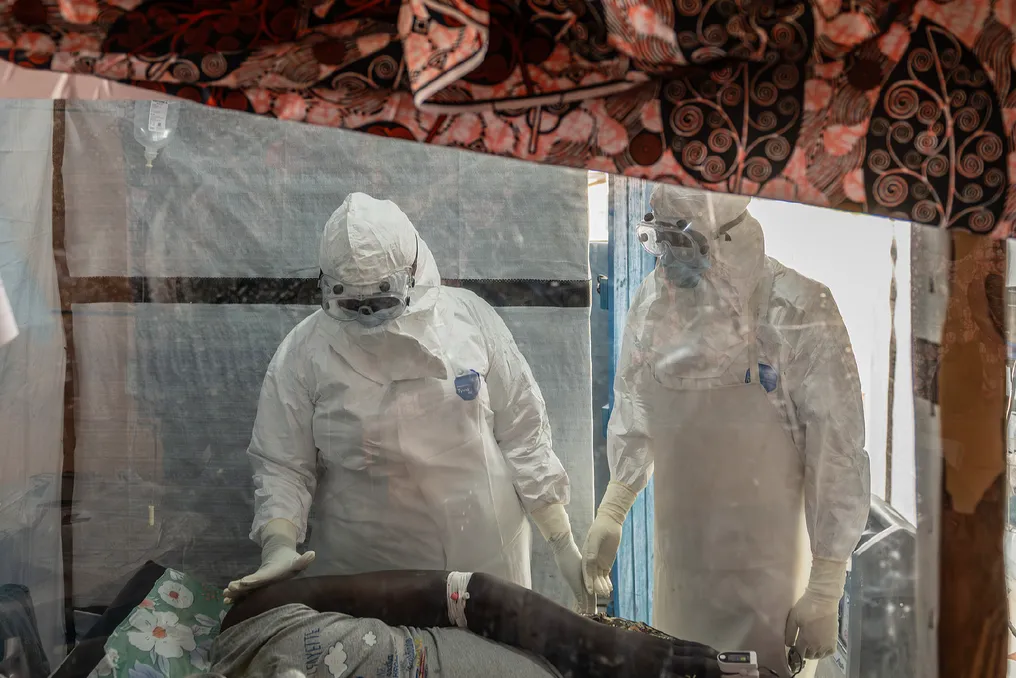
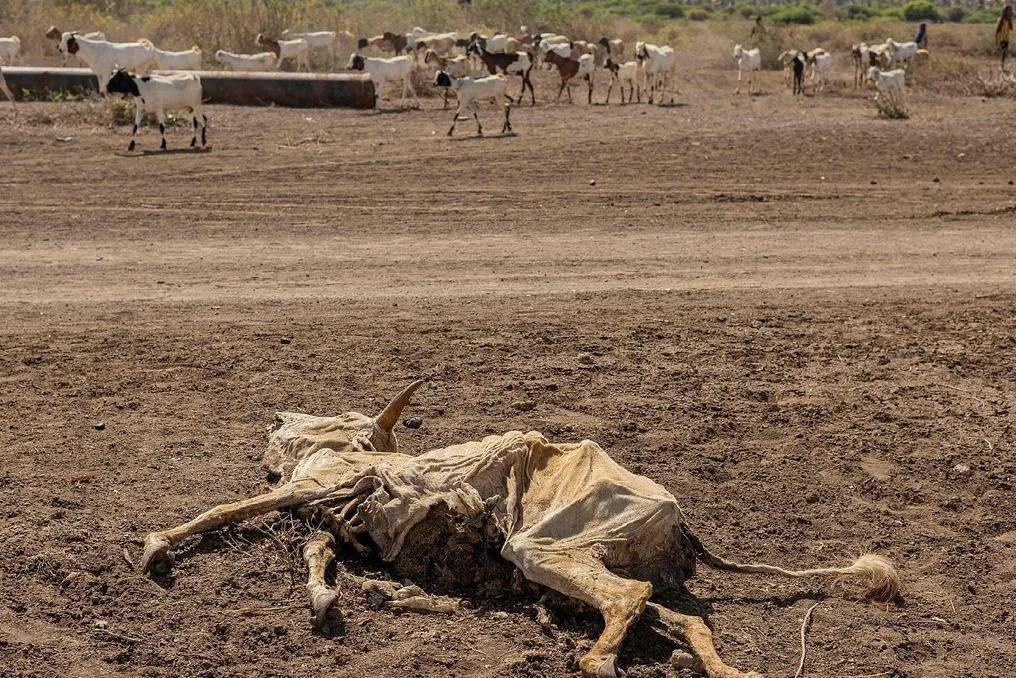
The Horn of Africa is one of the world's most disaster-prone regions, where humanitarian crises are constantly exacerbated by droughts, floods, conflicts, and population displacement. Despite significant improvements in early warning systems in recent years, humanitarian agencies note a persistent gap between risk forecasting and coordinated on-the-ground assistance.
Initiative Goals and Outcomes
The IMPAACT project seeks to bridge this gap by expanding nationally managed anticipatory action systems to regional, sub-national, cross-border, and urban levels across the three countries. Over the next two years, the initiative will achieve four key results. These include strengthening the regional anticipatory action structure, enhancing preparedness in the border areas of Ethiopia and Somalia, improving disaster readiness in the urban centers of Djibouti, and establishing a rapid crisis response mechanism capable of delivering aid within 48 hours of reaching pre-agreed warning thresholds.
Project Participants' Stances
Rotimi Jossa, Director of Influence at Action Against Hunger, stated at the launch ceremony that the project marks a significant shift in regional humanitarian response. He emphasized that this program represents a fundamental change in the approach to solving humanitarian crises, shifting the focus from reactive response to proactive protection. According to him, bridging the gap between early warning data and swift, coordinated action will allow the most vulnerable populations to be reached before a disaster occurs. Jossa added that true resilience is achieved not merely by surviving the next crisis, but by building institutional systems that prevent situations from escalating into catastrophes.
At the regional level, ICPAC will lead the development of the project's anticipatory action frameworks. This will involve validating cross-border trigger matrices, ensuring policy alignment in Ethiopia, Somalia, and Djibouti, and linking implementation to existing regional coordination platforms, including the IGAD Regional Technical Working Group on Anticipatory Action. The initiative is designed to strengthen existing national and regional mechanisms for disaster preparedness, food security, and long-term sustainability in the Greater Horn of Africa, rather than creating parallel systems.
Calls to Action and Reach
ICPAC Director, Dr. Abdi Fidar, noted that the increasing frequency and severity of climate disasters make anticipatory action an urgent priority. Dr. Fidar stated that investing in disaster preparedness through anticipatory action is no longer a choice but a necessity. He stressed that this initiative emerged at a critical time to accelerate preemptive measures in the region, giving governments the opportunity to lead, own, and sustain decisions that protect lives, livelihoods, and development gains.
Over the two-year implementation period of IMPAACT, it is expected to directly assist 243,801 people: 86,261 in Ethiopia, 105,332 in Somalia, and 52,208 in Djibouti. Principles of protection, social inclusion, conflict sensitivity, and environmental sustainability are integrated into all project activities to ensure that aid reaches the most at-risk groups and strengthens community resilience. The project is planned to run until May 2028, and partners hope it will serve as a scalable model for anticipatory action for the entire Horn of Africa and beyond.