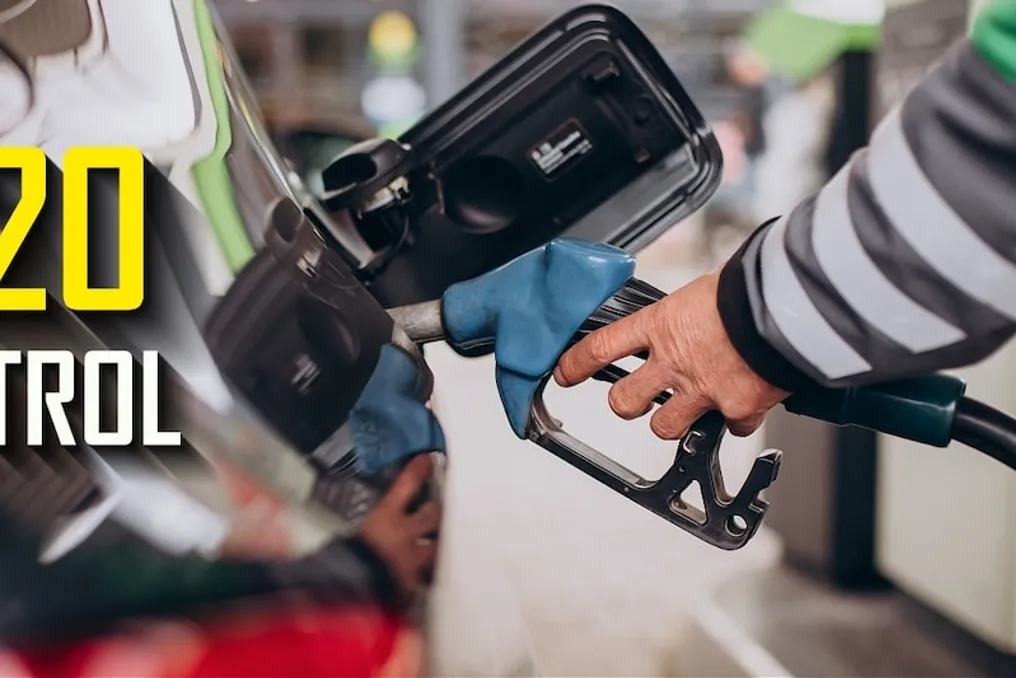
The Federation of Automobile Dealers Association (FADA), which represents about 30,000 auto dealerships across India, stated that it has not received a single documented complaint related to the use of E20 gasoline. This statement supports the Central body's assertion that this type of fuel is safe for vehicles.
Complaint Verification Among Dealers
Fada Chairman, C S Vigneshwar, informed reporters that the association contacted its General Council, comprising approximately 60–65 dealer representatives, to investigate the situation. The purpose of the check was to determine if any issues related to E20 had been reported by customers.
Vigneshwar emphasized: 'We have not received a single report that a customer experienced a problem due to E20 fuel. Our General Council has reported no problems related to E20.'
Context of Fuel Disputes
These statements came amid growing discussions about the compatibility of E20 fuel with older vehicles, following social media posts and consumer claims regarding engine damage, corrosion, and reduced fuel efficiency.
To alleviate customer concerns, FADA has launched a nationwide information campaign in collaboration with automobile manufacturers. According to Vigneshwar, dealerships have begun displaying banners and conducting customer training based on recommendations provided by their respective Original Equipment Manufacturers (OEMs).
Regulators' and Manufacturers' Stance
The Central body, Oil Marketing Companies (OMCs), and vehicle manufacturers insist that E20 fuel is safe for vehicles certified for its use. Furthermore, several automakers have stated that existing vehicles can continue to run on this fuel without negative consequences.
Vigneshwar noted that FADA does not possess the technical capability to independently verify engineering claims, so it relies on vehicle manufacturers, OMCs, and government agencies, who unanimously affirm the safety of E20. He added that since they lack contradictory scientific evidence, they accept this position.
Scientific Data and International Experience
Vigneshwar acknowledged that concerns about E20 spread rapidly on social media, but he countered that most of these discussions lack empirical evidence. He stated that debates are only possible if someone provides scientific data proving that E20 causes the mentioned problems, and such data has not been observed to date.
Regarding claims of reduced mileage, Vigneshwar clarified that FADA does not have independent data to confirm such assertions. While individual experiences may vary, the association prefers to wait for long-term data before drawing conclusions. He also referenced international experience, noting that countries like Brazil have been using significantly higher ethanol blends for years.
He concluded that OEMs understand how higher ethanol blends affect vehicle components over time and are confident that they have developed the necessary safety margins.
The Central body consistently increases the share of ethanol in gasoline as part of its strategy to reduce crude oil imports, enhance energy security, and decrease carbon emissions.